I'm a pro photographer — here’s why the iPhone 18 Pro’s variable aperture is its biggest camera upgrade
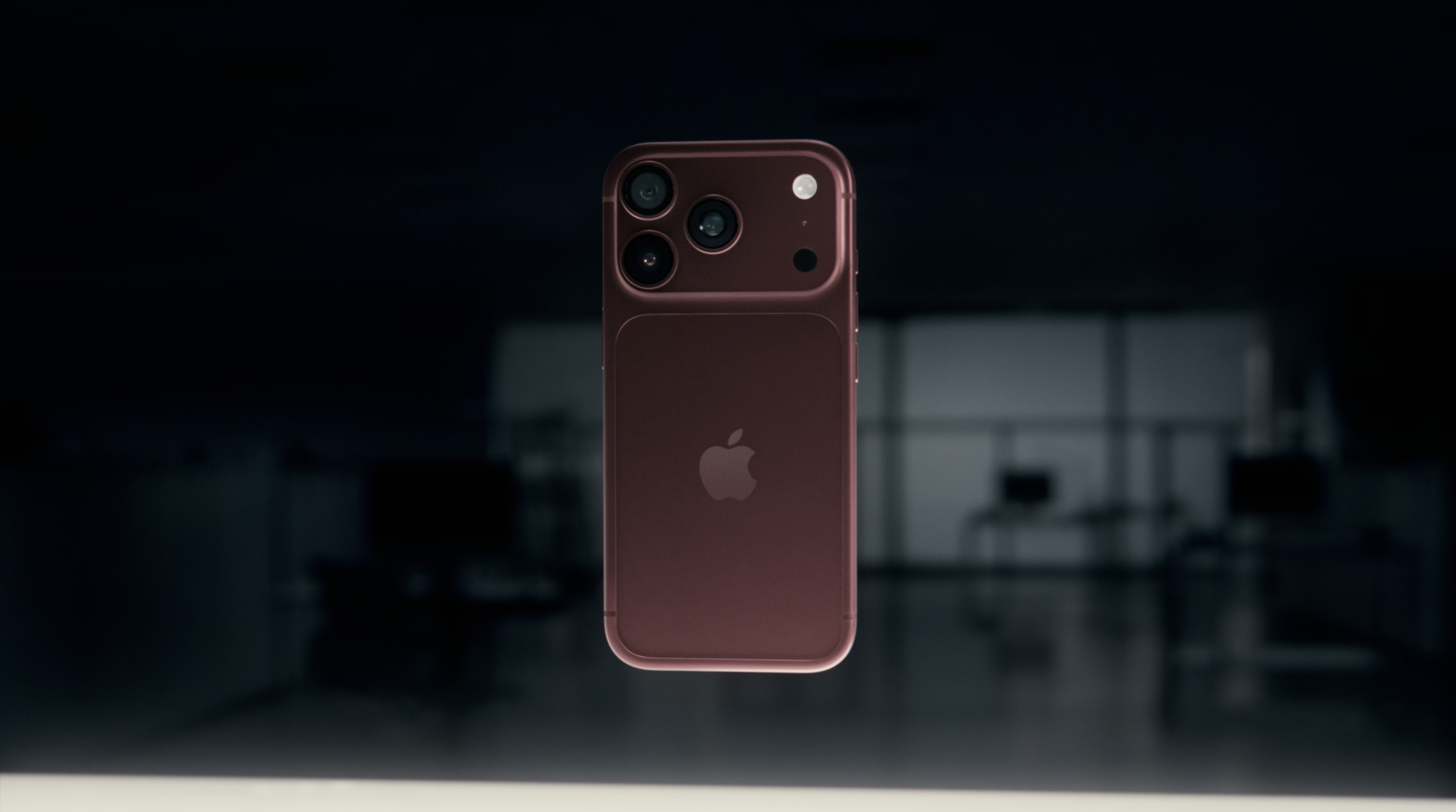
Apple has put a mechanical aperture in the iPhone camera for the first time — here's how that will impact the user experience of the iPhone 18 Pro and Max models that have the feature.
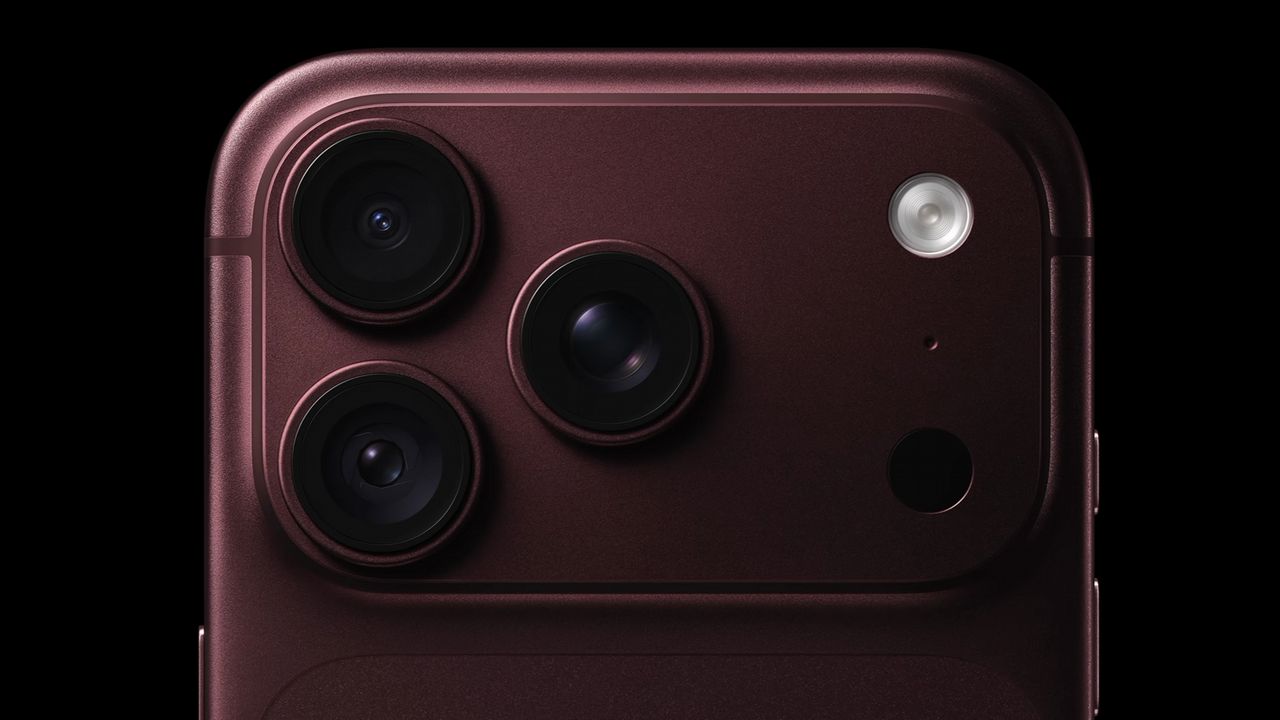
Apple has unveiled a groundbreaking feature in the iPhone 18 Pro and Pro Max cameras: a mechanical aperture. This is the first time Apple has introduced this hardware-based element in its smartphone cameras, and it stands out as a rarity in the smartphone market, with Huawei also incorporating it into select flagship devices. As a professional photographer, I believe the inclusion of this mechanical aperture, also referred to as variable aperture by Apple, represents the most significant upgrade in the iPhone 18 camera lineup.
Aperture refers to the size of the opening in the lens that allows light to reach the camera's sensor. It plays a crucial role in controlling exposure and depth of field. A larger aperture admits more light, making it an ideal choice for low-light photography, while a smaller aperture enables greater depth of field, perfect for capturing crisp landscapes or group shots.
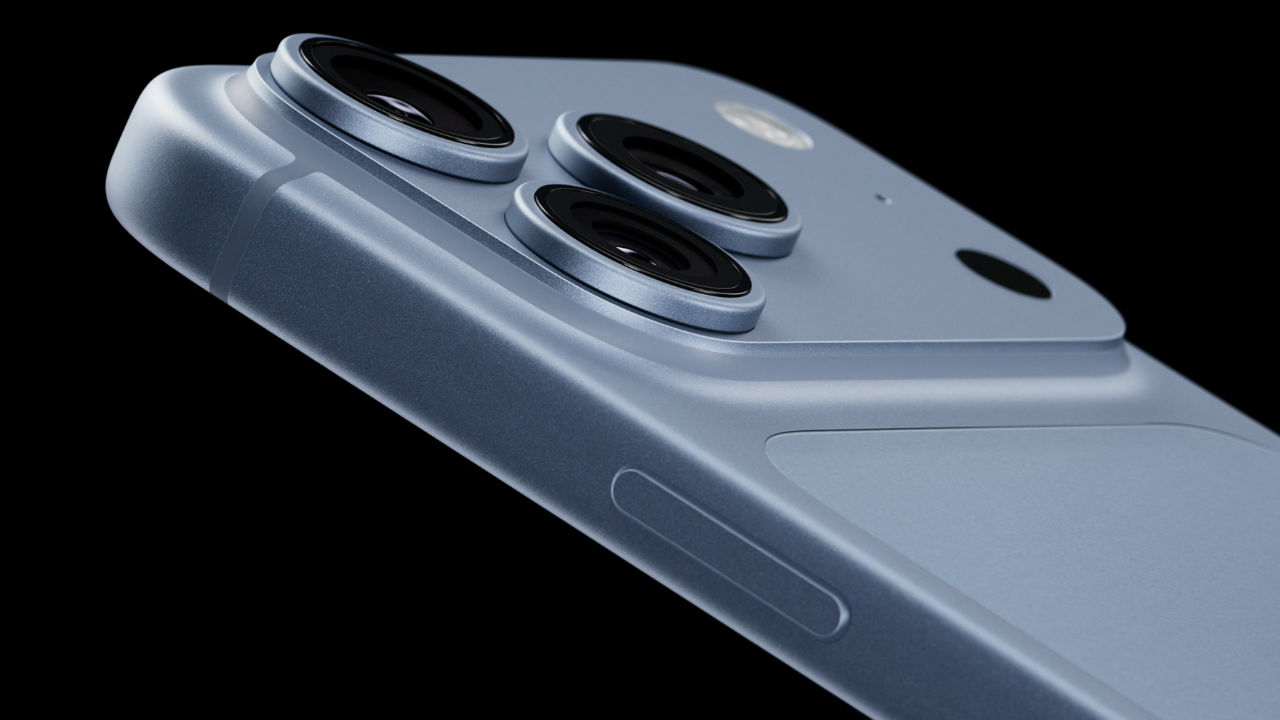
Historically, most smartphones, including previous iPhones, have relied on fixed-aperture lenses. The iPhone 17 Pro, for instance, boasted an impressive f/1.78 aperture. However, with the iPhone 18 Pro series, Apple has taken a leap forward by incorporating a six-bladed mechanical aperture in its main camera. These blades are thinner than a human hair and are made from a polymer composite, ensuring precision and durability.
This feature offers photographers a level of control previously unavailable in smartphones. Traditionally, phones like the iPhone have employed computational photography techniques, such as software-based background blur and low-light enhancements, to emulate the effects of a mechanical aperture. However, the new iPhone 18 Pro's mechanical aperture allows users to adjust the aperture size manually, tailoring the image to suit their specific needs.
This means you can experiment with different apertures to achieve the desired depth of field or maximize light intake for better image quality.
The iPhone 18 Pro's aperture range starts at f/1.48 and can be adjusted down to f/4, offering more flexibility compared to its predecessor. This range is particularly beneficial for capturing indoor portraits and astrophotography, where light control is paramount. While a larger aperture can reduce the depth of field, it also ensures that more light reaches the sensor, resulting in brighter images with enhanced details.
Moreover, the mechanical aperture contributes to improved image sharpness, particularly in low-light conditions, by allowing slower shutter speeds without compromising on focus. This is especially advantageous for video recording, where maintaining smooth motion is crucial. Additionally, a smaller aperture can lead to sharper images across the frame, minimizing the risk of softness and lens distortion that often accompanies wide-open apertures.
Despite these advantages, it is essential to note that the impact of a mechanical aperture may be somewhat limited on smartphones with smaller sensors, as is the case with the iPhone 18 Pro/Pro Max. The smaller sensor size means that the benefits of a variable aperture might not be as pronounced as in devices with larger sensors, such as the Xiaomi 17 Ultra and Oppo Find X8 Ultra.
Nonetheless, the iPhone 18 Pro's ability to manually adjust the aperture provides photographers with unprecedented control, allowing them to achieve more professional-grade results even on a mobile device.
Written by urgent.news from TechRadar's reporting — not their text. Machine-written — may contain errors; check the original before relying on it.