Ga Mantse’s Fetu Afahye entry: A proud Ga moment
I was in Cape Coast from Thursday September 3, through Monday September 7, 2026, for Oguaa Fetu Afahye, the Festival of the People of Cape Coast. The city was charged, alive and ready for the weekend. I was there at the invitation of the Visit Cape Coast Initiative team, a story I’ll get into another […]
In Cape Coast from September 3 to September 7, 2026, the Oguaa Fetu Afahye Festival took place, leaving a lasting impression on the reporter. The city was buzzing, with a palpable sense of excitement and cultural pride in the air. The reporter, attending at the invitation of the Visit Cape Coast Initiative team, found that the festival's charm was easily felt and experienced firsthand.
They had previously heard about and seen images of past editions but had not taken the time to witness the festival in person until this trip. The magnitude of the event was evident, with the city displaying an impressive level of decoration and participation.
Orange Friday, an integral part of the festival, was a standout event in which the entire city donned the color orange, creating a unified visual and cultural experience. This phenomenon has evolved into a movement, generating a significant amount of energy and attracting an impressive number of visitors. The reporter believes that Orange Friday has the potential to become a major cultural lifestyle brand in Ghana, with opportunities for commercial partnerships and branding that would protect the festival's cultural essence.
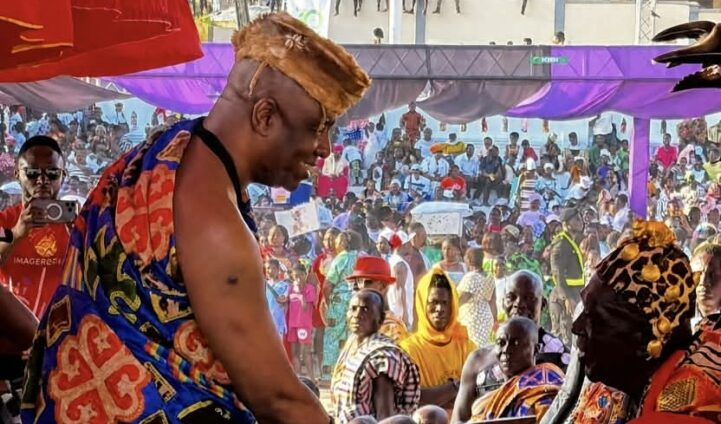
The Grand Durbar, the pinnacle of the festival, showcased the rich tradition and regalia of the Ga people. Chiefs, Asafo companies, traditional leaders, and dignitaries came together to present the Ga culture, with King Tackie Teiko Tsuru II, the Ga Mantse, making a commanding entrance. His royal presence added to the festival's grandeur and significance, symbolizing the unity of Ghana's diverse cultures.
The presence of King Tackie Teiko Tsuru II and other royal guests from different parts of Ghana highlighted the interconnectedness of the nation's heritage and emphasized the importance of traditional institutions in shaping the country's identity.
Fetu Afahye is not merely a celebration; it is an integral part of Ghana's cultural, social, and economic landscape. The festival provides a platform for businesses, hotels, restaurants, artisans, and other stakeholders to thrive and contribute to the local economy. The 2026 Fetu Afahye demonstrated the festival's economic value, with Cape Coast's bustling streets, filled with vendors, visitors, and cultural displays.
This economic impact underscores the potential for Fetu Afahye to become a significant asset for Ghana's tourism industry and commercial sector.
Ultimately, the reporter concluded that festivals like Fetu Afahye serve as a testament to the richness and diversity of Ghana's cultural heritage. They are more than just parties; they are living embodiments of the nation's history, values, and collective identity. The Ga Mantse's participation in the grand durbar exemplified the pride and unity that traditional institutions instill in the hearts of Ghanaians.
By embracing and promoting such cultural events, Ghana can harness the immense potential of its festivals as powerful engines for economic growth, cultural preservation, and national pride.
Written by urgent.news from Adom Online's reporting — not their text. Machine-written — may contain errors; check the original before relying on it.
This story
This is one outlet's version. Read the fullest account.
- Ga Mantse’s Fetu Afahye entry: A proud Ga moment myjoyonline.com