Earliest evidence of habitual drug use found in teeth in Indonesia
Strange, rounded grooves in prehistoric teeth are thought to have been made by regularly sucking whole betel nuts to extract a pain-relieving compound. This marks the earliest known example of probable substance addiction
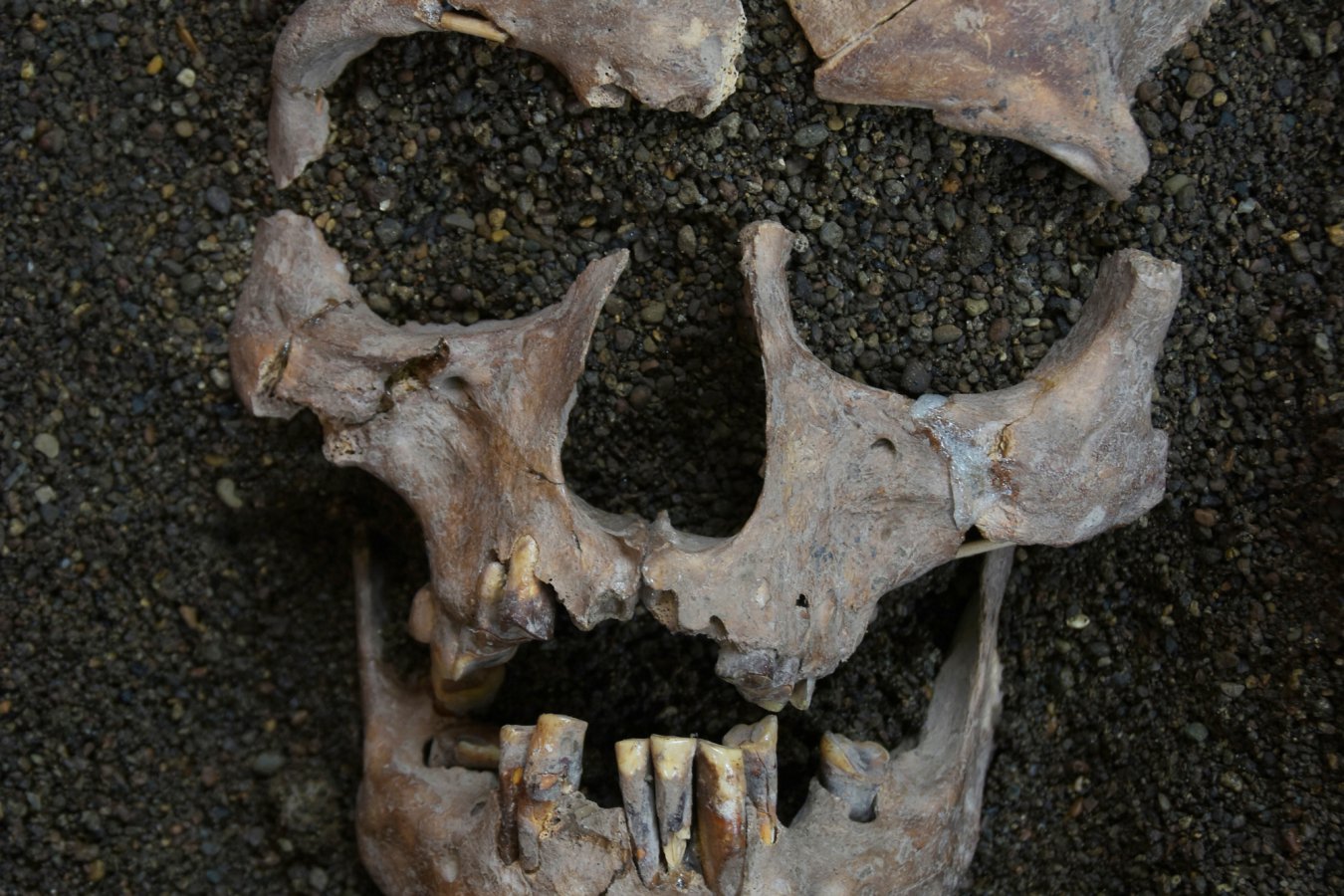
New research reveals that the world's oldest evidence of habitual drug use dates back 25,000 years to an island in Indonesia. Two prehistoric hunter-gatherers had strange grooves in their teeth caused by regularly sucking on betel nuts, palm seeds that contain a neuroactive substance. The discovery, published in Science Advances, suggests the numbing nuts did not relieve toothache as intended, but may have worsened dental conditions over time.
Betel nut chewing, now prevalent in South Asia and Oceania, is the earliest-known addictive behavior.
Written by urgent.news from Live Science's reporting — not their text. Machine-written — may contain errors; check the original before relying on it.
This story
This is one outlet's version. Read the fullest account.