DP World, GulfCap advance 222-hectare Mombasa industrial park with 20,000 jobs expected
Dubai: DP World and Kenya-based GulfCap Africa have moved ahead with plans for a 222-hectare industrial park in Mombasa that is expected to support more than 20,000 direct and indirect jobs once completed. The two companies have signed a Shareholders Agreement formalising the joint venture behind the planned Special Economic Zone,…
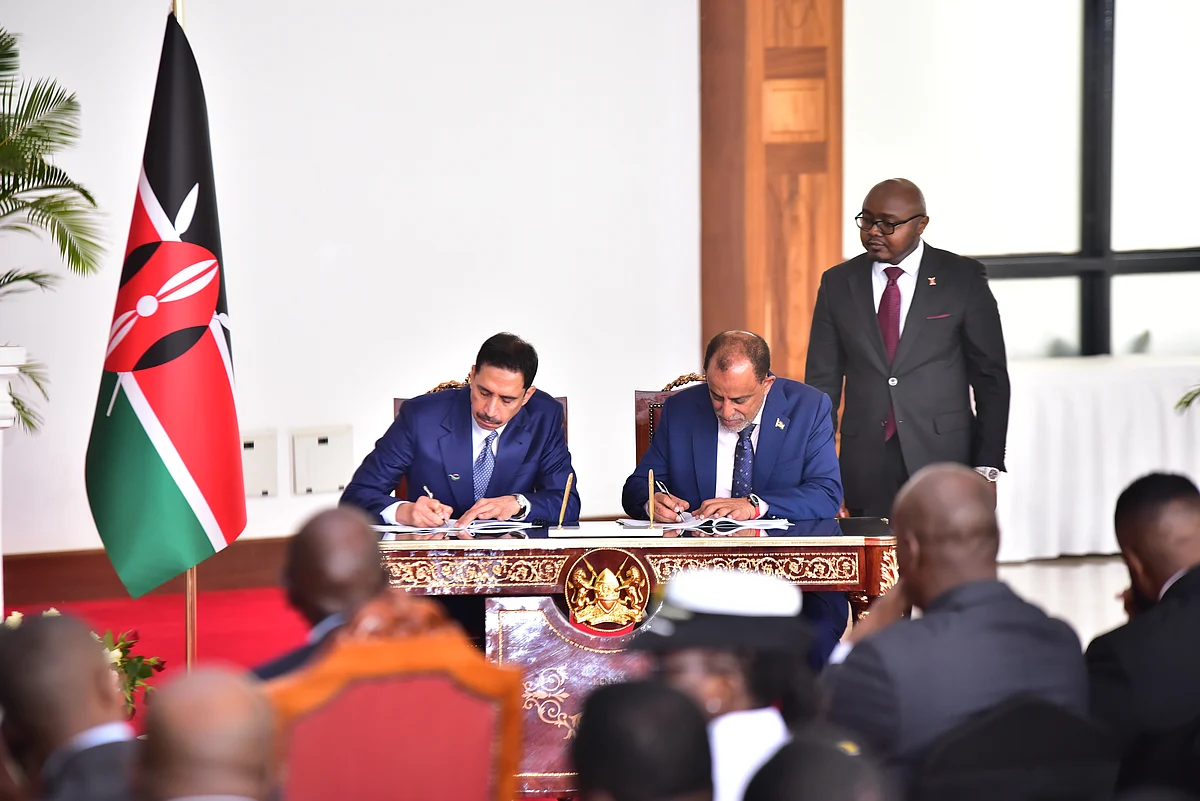
Dubai: DP World and Kenya-based GulfCap Africa have formalized plans for a 222-hectare industrial park in Mombasa, expected to generate over 20,000 jobs once completed. The partnership, announced in August, solidifies a joint venture aimed at establishing a Special Economic Zone. Over 60 local and international firms have shown interest in leasing space within the development.
The initial 40-hectare phase will focus on expanding Kenya's manufacturing capacity and connecting businesses with regional and international markets. The park will provide access to trade routes covered by the African Continental Free Trade Area, Kenya's Economic Partnership Agreement with the European Union, and the UAE's Comprehensive Economic Partnership Agreement.
The project also aims to create opportunities for Kenyan suppliers and service providers, including SMEs, by integrating them into broader supply chains. President Ruto of Kenya emphasized the significance of the tripartite agreement between DP World, the Country Government of Mombasa, and GulfCap, highlighting government support for fostering a competitive business environment.
DP World's Essa Kazim stated that the development aims to bring industrial capacity and logistics infrastructure closer together, enabling businesses to reach markets more efficiently while attracting new manufacturing investments. DP World CEO Mohammed Akoojee emphasized the broader economic and employment impact, forecasting more than 20,000 direct and indirect jobs.
The agreement, signed in Nairobi alongside President Ruto, advances the development of the Special Economic Zone following the initial DP World and GulfCap Africa partnership in August.
Written by urgent.news from Gulf News's reporting — not their text. Machine-written — may contain errors; check the original before relying on it.
This story
This is one outlet's version. Read the fullest account.
- Turn strong recovery into quality jobs, lasting growth – World Bank ghanaiantimes.com.gh
- Fix IPP pricing, not just ECG, PUWU tells IMF, World Bank myjoyonline.com