Denisovan tools from cave in China shows how mysterious humans lived
A site in China is just the third to give us an insight into the way the enigmatic Denisovans lived. The archaeology at the site suggests the ancient humans were skilled hunters, although their stone tools were relatively simple
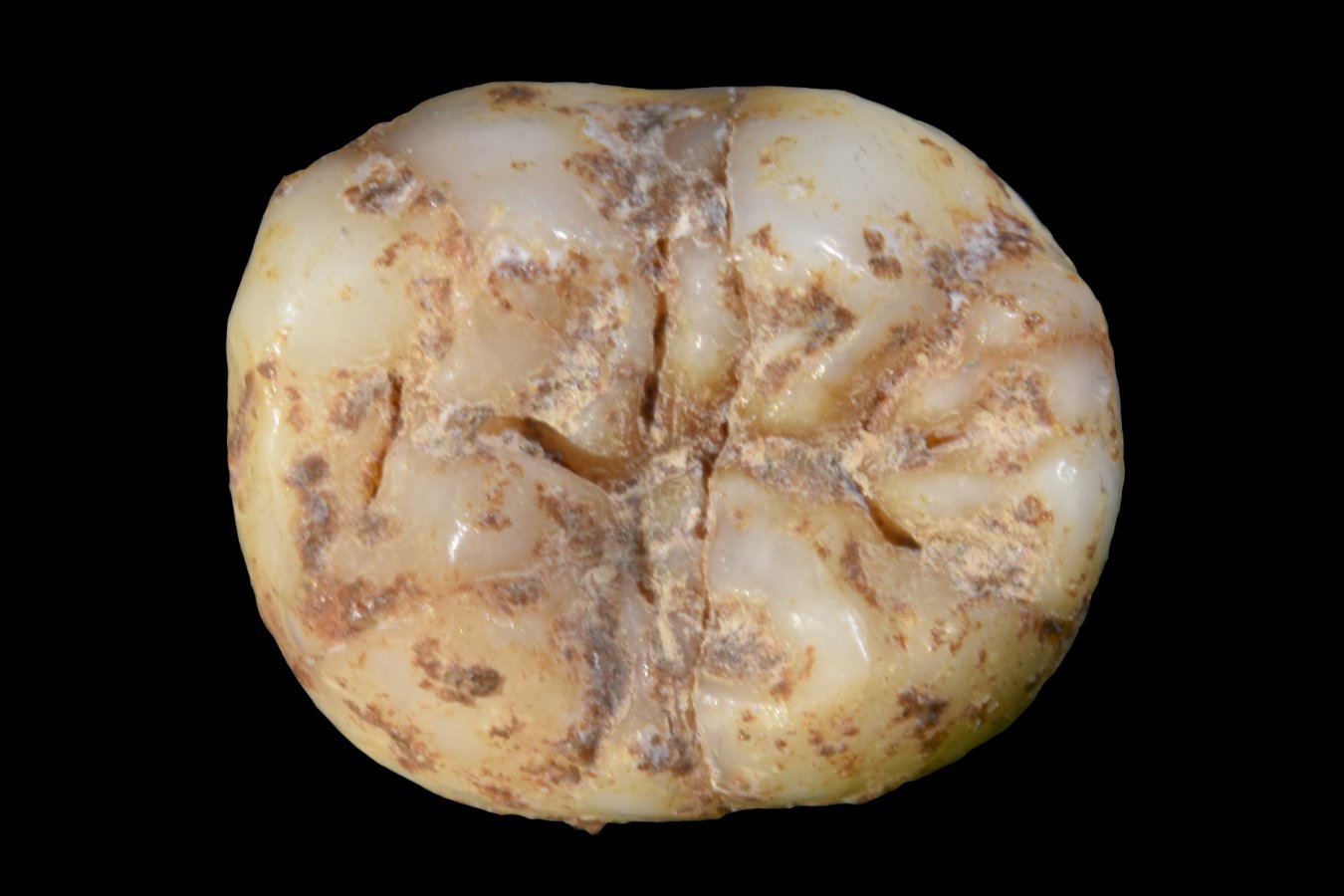
Recent excavations at Bianfu cave in Yunnan province, China, have uncovered remarkable evidence of Denisovan life and technology. This enigmatic ancient human group thrived in the region for over 100,000 years, living in a conifer forest and hunting large animals like deer. This discovery marks the first time researchers have been able to study the tools and subsistence strategies of Denisovans in this specific location.
The site, only the third known to house Denisovan remains with complete archaeological context, includes human remains, stone artefacts, animal fossils, and environmental evidence. Previously, only Denisova cave in Siberia and Baishiya Karst cave on the Tibetan plateau had provided such comprehensive insights into Denisovan lives.
The discovery sheds light on the diverse tools and technologies used by Denisovans. The excavations revealed over 64,000 bone fragments, with 22 potentially Denisovan remains identified and subjected to molecular analysis. Although DNA preservation was challenging due to the warm climate and age of the fossils, the team successfully extracted proteins from the bones and teeth. These protein variants were distinctly Denisovan, setting the remains apart from those of Homo sapiens or Neanderthals.
The stone artefacts found span a wide time range, from 70,000 to 190,000 years ago, suggesting that Denisovans occupied the cave for an extended period. The tools discovered include flakes, cores, scrapers, and choppers, revealing a relatively simple technology compared to that of Neanderthals in Eurasia during the same timeframe.
This fascinating discovery provides invaluable insights into the lives and behaviors of Denisovans, filling gaps in our understanding of these mysterious humans who shared the Earth with our own ancestors.
Written by urgent.news from New Scientist's reporting — not their text. Machine-written — may contain errors; check the original before relying on it.
This story
This is one outlet's version. Read the fullest account.