Chinese energy firms warn policy volatility complicates long-term expansion abroad
Chinese energy firms have called for policy stability in overseas markets as their global investments face mounting geopolitical risks amid headwinds from the oil crisis. The call came from Sungrow Power Supply and EVE Energy executives, who said policy stability topped their expectations at an event in Hong Kong on Tuesday. Both companies have come under fresh pressure in the US market in the…
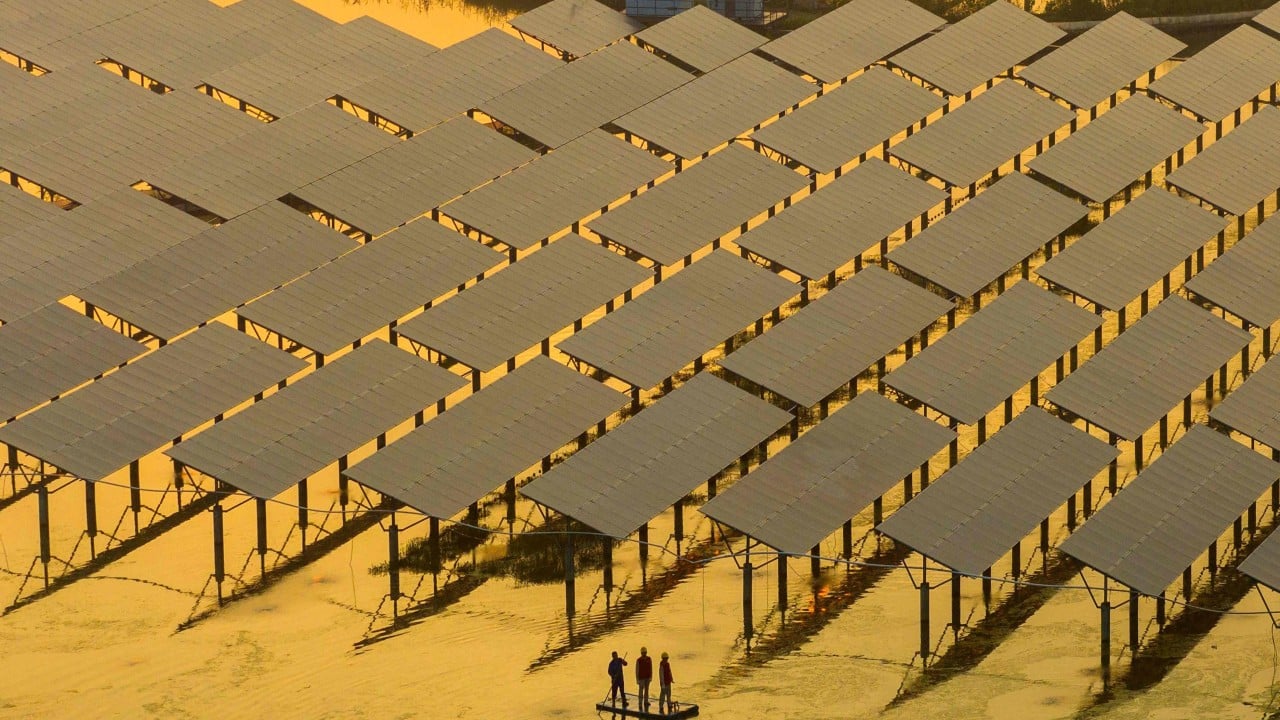
Chinese energy firms are urging for policy stability in overseas markets as they face increasing geopolitical risks and challenges from the oil crisis. Sungrow Power Supply and EVE Energy executives emphasized policy stability during an event in Hong Kong, highlighting that such stability was a top priority for them. Both companies have recently encountered pressure in the US market – Sungrow due to a US import ban on foreign-made inverters, and EVE under investigation by the US International Trade Commission for a patent complaint filed by LG Energy Solution.
Cai Zhuang, Sungrow's general manager, addressed misunderstandings about their technology, rejecting claims that their inverters might be used as spyware. EVE's Yuan Huagang stressed the importance of policy consistency in local markets, emphasizing the need for a minimum 20-year depreciation period for overseas investments like battery plants.
After investing around US$1.5 billion in the local market, Huagang reiterated that his company would not withdraw. The EU and US have imposed bans on foreign-made grid equipment, citing national security and supply chain risks. Sungrow's shares have dropped over 40% since June, following reports of a US ban. At the same event, EVE's Yuan Huagang highlighted the significance of policy consistency in local markets, citing the uncertainties faced by EVE's investment in Hungary, which had to halt operations due to health and pollution concerns after a change in government.
Albert Cheung, CEO of BloombergNEF, noted that energy security concerns have grown worldwide, leading to a greater emphasis on energy transition to reduce dependency on imported fuels. Cheung attributed the shift to clustering, where consumers imitate their neighbors by purchasing EVs or installing rooftop solar panels, rather than rising oil prices.
Near-term uncertainties, such as the potential reopening of the Strait of Hormuz and doubts over the profitability of AI technology, could dampen investor appetite for commodities like oil and copper. Brent crude prices may again exceed US$100 per barrel if conflicts in the Middle East escalate and impact key shipping routes around Kharg Island and the Bab el-Mandeb Strait, according to Catherine Li, a Middle East and global energy analyst at Haitong International.
Written by urgent.news from SCMP Business's reporting — not their text. Machine-written — may contain errors; check the original before relying on it.