Candidates contend with the rise of ‘resurfaced’ old clips
Candidates who think they’ve escaped or explained their pasts keep having to explain comments that “resurface” online.
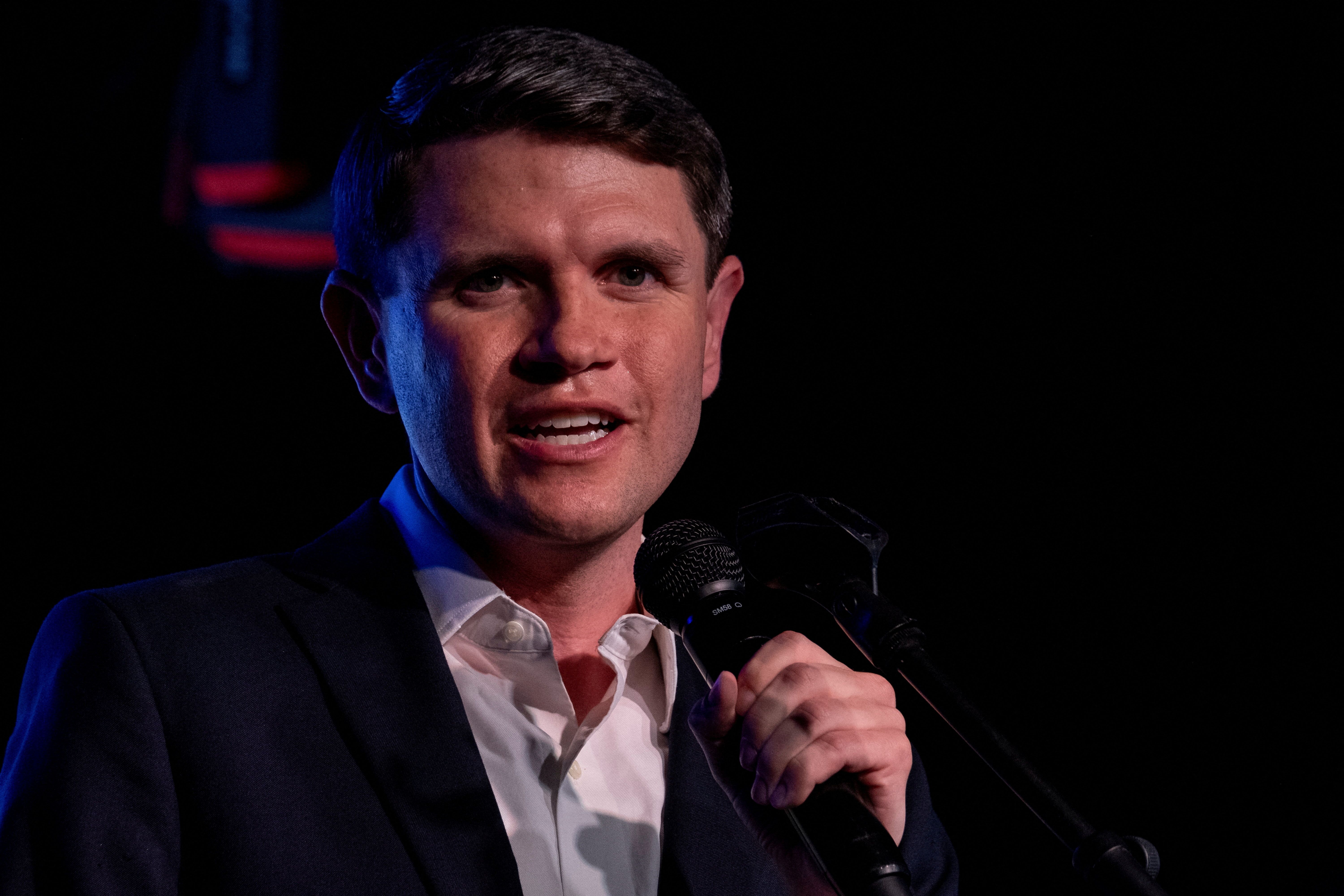
As political campaigns continue to grapple with the rise of "resurfaced" old clips, candidates find themselves constantly having to address comments that resurface online, regardless of the time elapsed. Video clips of Texas Democratic Senate nominee James Talarico, who rejected "tough on crime" policies in 2020, recently resurfaced on Fox News.
Talarico was also featured thanking activists for linking climate change to white supremacy and capitalism, a statement he also resurfaced. Michigan Democratic Senate nominee Abdul El-Sayed's tweets about 9/11, written and then deleted, resurfaced in the New York Post. Republicans are not immune to this phenomenon; Peter Oberacker, a New York state senator running for Congress, faced backlash after a 2015 Veterans Day Facebook post honoring his grandfather, who fought on the wrong side of World War II, resurfaced in Politico.
"Resurfacing" is more than just a term for political reporters to explain why they're serving up old content; it reflects the modern discourse, where journalists and operatives skim social media for content that has long since stopped receiving attention. Douglas Rushkoff's concept of "narrative collapse" has become prevalent in the age of social media, where engaging content can come from seemingly old material.
Political campaigns have long scrutinized candidates' past statements and clips for potential ammunition against them. Today, with the constant stream of free information available to voters through their phones and browsers, unexpected old clips can catch them off guard.
Strategists suggest building robust social media rapid-response networks to address "resurfaced" clips quickly, but this can be challenging to implement. Younger candidates with strong online support may have an advantage but still face backlash. In Michigan, Democratic Rep. Haley Stevens struggled to explain a clip in which she claimed to see "Israel in her dreams," despite numerous explanations.
The resurfacing game is particularly challenging for candidates with limited national profiles, such as Florida's Angie Nixon, whose videos advocating left-wing causes were quickly shared upon her Senate nomination. While resurfacing can be problematic, it can also work in a politician's favor if they have a clear and effective explanation of their past positions.
Written by urgent.news from Semafor's reporting — not their text. Machine-written — may contain errors; check the original before relying on it.