Can we be certain that time really exists?
From both a philosophical and a scientific perspective, we’re taught to doubt, question, and be skeptical of everything. Even the reality of ourselves and our own experiences cannot be taken for granted, as we must make certain assumptions about how trustworthy our measurement sensors — and our own senses, for that matter — actually are in order to arrive at any satisfactory conclusions. Sure,…
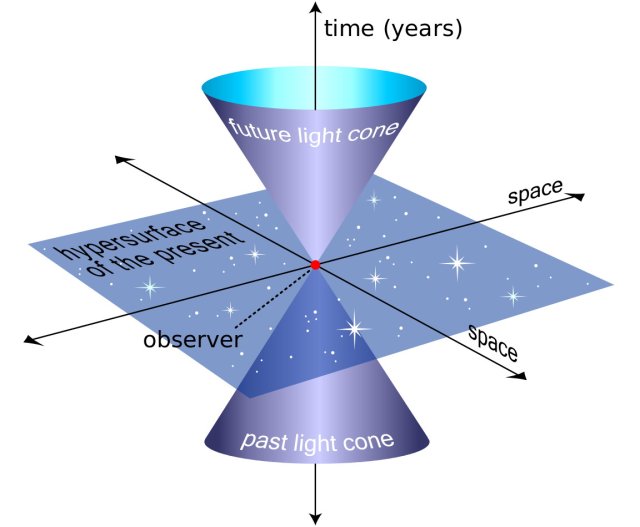
The question of whether time truly exists has been debated from both philosophical and scientific perspectives. We are taught to doubt and question everything, including the reality of our own experiences, as measurement sensors, senses, and quantities we take for granted may be deceiving illusions. This skepticism extends to our understanding of physical reality, where surprising and counterintuitive lessons have emerged regarding the nature of time.
Time is relative, not absolute, and always moves forward but we still lack an explanation for the perceived arrow of time. On an elementary level, time may not necessarily be fundamental, but eliminating its existence altogether appears to be an extremely difficult task given its observable presence in the universe. Physics demands that any considered quantity must be measurable, quantifiable, and observable, and if it's intertwined with other observables, it must be deemed as existing.
The apparent paradoxes surrounding time, such as its relativity and varying measurements depending on the observer's frame of reference, do not indicate that time is pathological. Rather, they emphasize the importance of considering each observer's reference frame when measuring time. Special relativity governs the transformations of time and distance between different observers, and while individual observers may measure different amounts of time, they will all agree that time passes at a consistent rate within their own frame of reference.
The paradoxical nature of time, therefore, lies not in its existence but in the complexities of observing and measuring it across different perspectives.
Written by urgent.news from Big Think's reporting — not their text. Machine-written — may contain errors; check the original before relying on it.