Apple starts preorders for Watch Series 12, Ultra 4 with new Health Sensing System
New Apple Intelligence features, too.
Apple has announced its upcoming Watch Series 12 and Ultra 4 models, both featuring a new Health Sensing System and S11 chip. According to Apple's presentation at its fall event, these devices boast the "most accurate heart rate sensing in a wearable." The Watch Series 12 and Ultra 4 will leverage the S11 chip in tandem with the Health Sensing System, enabling the watches to provide higher-frequency heart rate and heart rate variability (HRV) measurements compared to previous Apple Watch models.
The Health Sensing System incorporates redesigned photodiodes arranged in a ring, allowing for more efficient light capture, as well as a larger electrode surface area for improved skin contact. Furthermore, the green LEDs in the optical heart sensors are larger and more power-efficient, and they are capable of measuring the user's heart rate every five seconds.
With the Health Sensing System, users will have the option to monitor their heart rate in real-time through a new heart rate watch face feature, also referred to as a complication.
Written by urgent.news from Ars Technica's reporting — not their text. Machine-written — may contain errors; check the original before relying on it.
This story
This is one outlet's version. Read the fullest account.
- New Apple Watch bands lean into a more subdued color palette appleinsider.com
- Read the Apple document explaining how new listening features still protect your privacy theverge.com
- Apple details how Apple Watch’s new Audio Intelligence features work in privacy paper 9to5mac.com
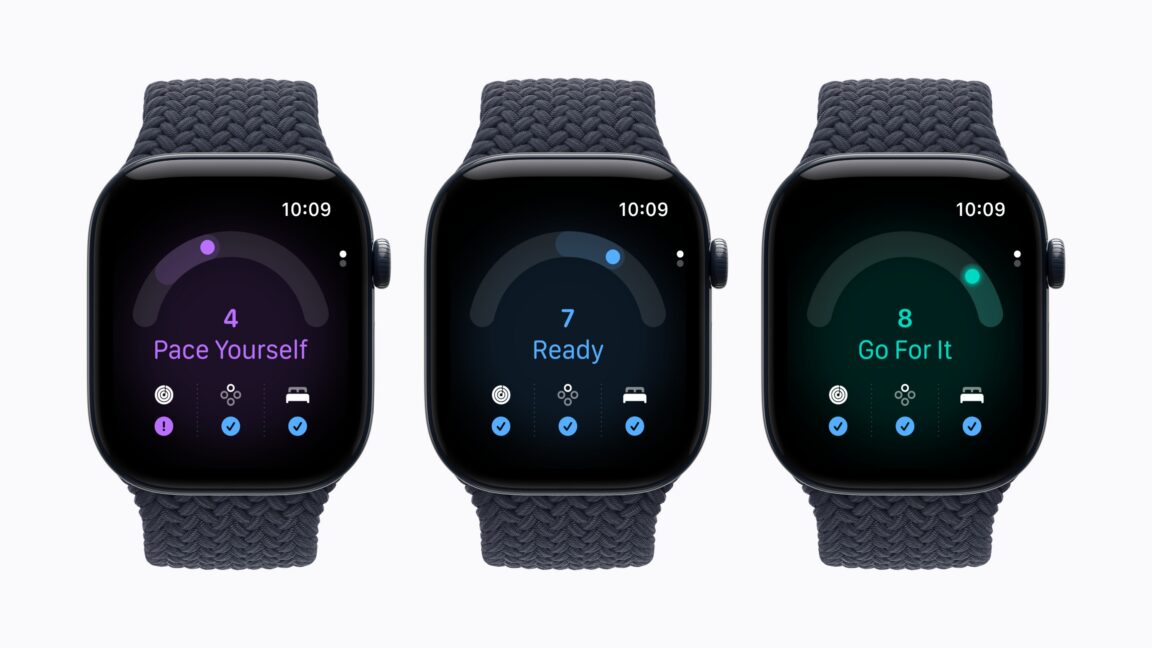
- I went hands-on with the Apple Watch Series 12: A new heart rate sensor, ceramic colors and a readiness score, at last tomsguide.com
- Apple unveils a new Health app with Apple Intelligence, featuring an Insights tab, "readiness" and Health Age metrics, and more, rolling out later in 2026 (Sarah Perez/TechCrunch) techcrunch.com
- New opt-in Apple Watch Siri audio features can listen to and transcribe conversations all day; Apple says raw audio is inaccessible and deleted after processing (Lily Hay Newman/Wired) wired.com
- Apple Watch can now rewind your conversations, and that’s kinda creepy androidauthority.com