America is built for driving. There’s hidden demand for something better.
Maybe you’ve heard this unkind old joke about American culture: We will pay a small fortune to amble through the cobblestone streets of Rome and Paris, or even the ersatz Main Street in Disneyland. Then we’ll return to our suburban homes and two-car garages, and swear that a place like that could never work here. […]
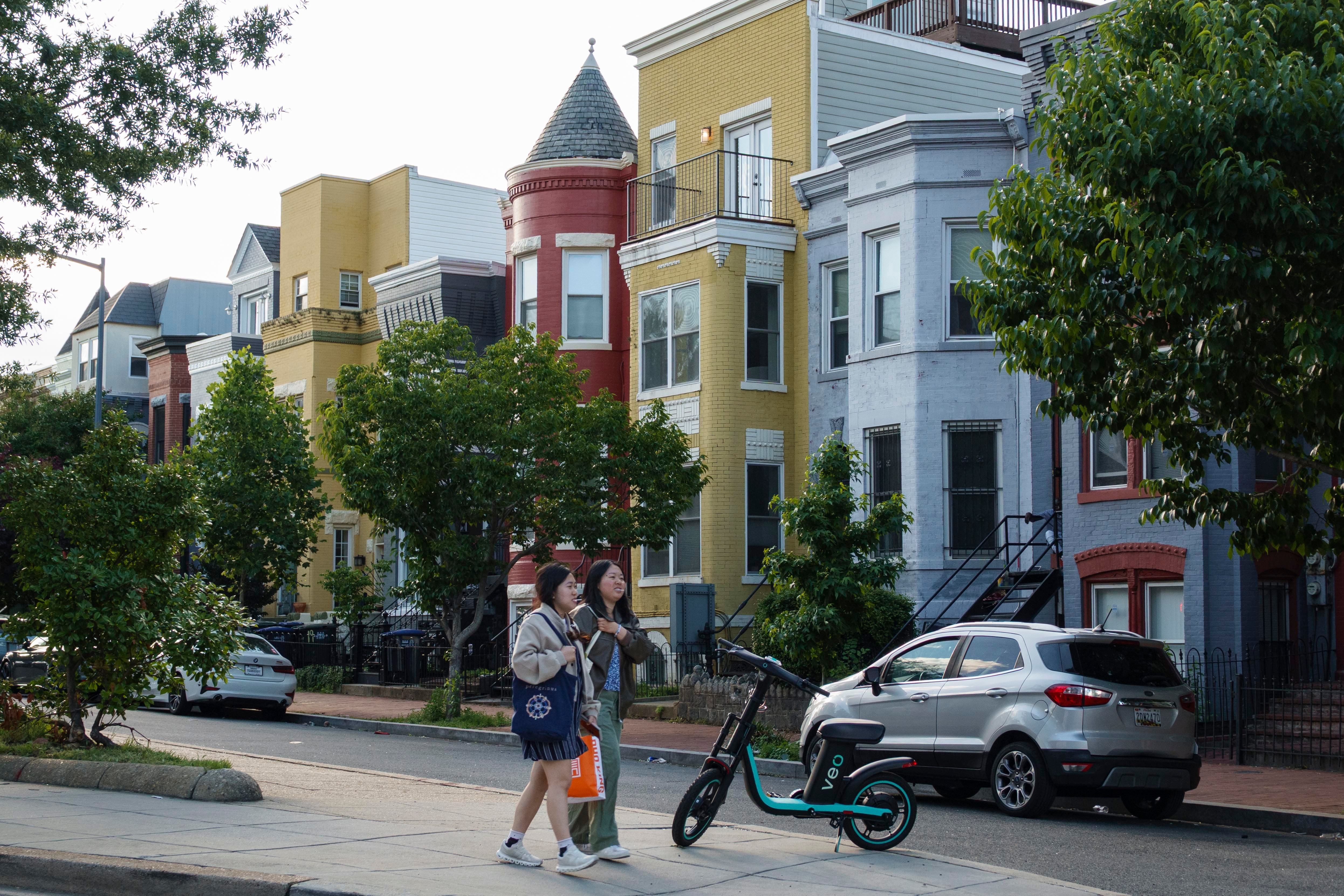
America has long been built for driving, but there is a hidden demand for more walking-friendly communities. A recent Pew survey found that 55% of Americans prefer larger, more spread-out communities with larger homes and longer commutes, while 44% would rather live in smaller, denser communities where daily necessities are within walking distance.
Despite the 55-44 split, only 6.8% of Americans live in truly walkable communities in the 35 largest metro areas, and only 10.8% live in the most walkable places designated by the EPA.
This discrepancy suggests there is substantial unmet demand for walkable communities in the US. Surveys from the National Association of Realtors and the CDC have found that a majority of Americans prefer neighborhoods where daily errands can be done on foot, even if it means having smaller homes and closer proximity to each other. Some surveys indicate that even when trade-offs are considered, the walkable option consistently ranks as the preferred choice among Americans.
The preference for walkable communities aligns with the innate human connection to walking as a natural mode of transportation. Walking is not just a mode of travel, but an integral part of human life, promoting a sense of community and improving overall well-being. However, the current American housing landscape often prioritizes sprawling, car-dependent developments, creating a disconnect between how people live and how they naturally move.
Addressing this disconnect and building more walkable communities would not only cater to the unmet demand but also provide numerous benefits for residents. Walkable neighborhoods encourage more walking, reduce commute times, and promote healthier lifestyles. They also foster a greater sense of community and social interaction, counteracting the antisocial nature of car-centric development.
Written by urgent.news from Vox's reporting — not their text. Machine-written — may contain errors; check the original before relying on it.