A difficult end to 2026 looms: Asean must brace for three converging pressures — Phar Kim Beng
SEPTEMBER 9 — The final quarter of 2026 is shaping up to be considerably more difficult than many gove...
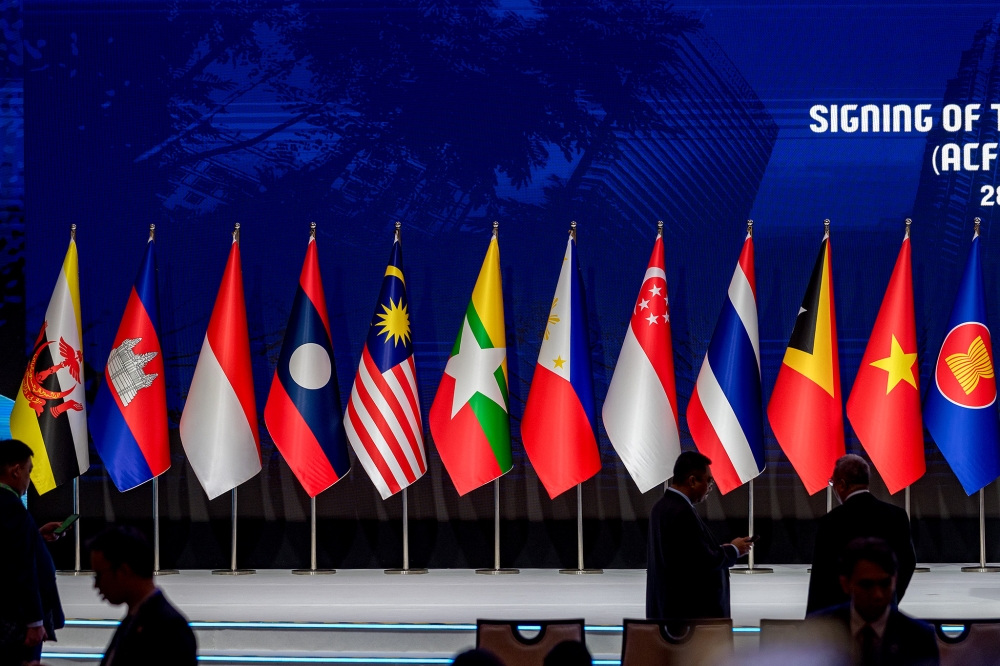
The final quarter of 2026 is expected to be more challenging than initially anticipated. Rising oil prices, geopolitical tensions in West Asia, and the spread of polarized identity politics are converging to create significant pressures for the Association of Southeast Asian Nations (Asean).
Firstly, the cost of crude oil has surpassed the US$100 per barrel mark. This surge in energy prices affects more than just fuel stations. It increases transportation and logistics costs, makes aviation more expensive, and puts additional strain on electricity generation in countries reliant on imported fuels. Rising crude prices also lead to higher costs for fertilizers, petrochemicals, plastics, and manufacturing.
These cost increases often find their way into consumer prices, further exacerbating inflationary pressures in the global economy.
Secondly, tensions between the United States and Iran persist, remaining unresolved. The Strait of Hormuz is a critical chokepoint in the global energy system, and instability in this region poses significant risks. Iran holds considerable leverage over global petroleum and liquefied natural gas flows through this narrow passage.
Meanwhile, the United States can apply significant financial, military, and technological pressure on Tehran. This precarious situation endangers not only the Gulf nations but also Southeast Asian countries heavily dependent on open sea lanes for international trade and energy security.
Lastly, the rise of polarized identity politics across Western democracies poses an additional challenge. As economic insecurity mounts due to high living costs and slower global growth, political discourse tends to become more emotional and less technocratic. Far-right movements may gain traction, fueled by nationalism, borders, and restrictive national identity definitions.
These far-right ideologies have the potential to spread globally through social media, artificial intelligence, and disinformation, further destabilizing fragile political landscapes.
Asean must navigate these interconnected pressures simultaneously. The most immediate challenge is inflation; central banks may face constraints in reducing interest rates, intensifying inflationary risks. Geopolitical instability in West Asia, particularly the ongoing Iran-US conflict, impacts Southeast Asian countries through maritime routes and energy supply chains.
Finally, the growth of identity politics in parts of the Western world could potentially challenge Asean's stability, given its diverse ethnic, religious, and linguistic makeup.
To mitigate these challenges, Asean should continue supporting diplomatic efforts aimed at restoring normalcy in the Strait of Hormuz while advocating for open maritime trade routes. Additionally, Asean nations must remain vigilant against the growing threat of polarized identity politics, which can spread rapidly through modern communication technologies. By addressing these interconnected pressures, Asean can better safeguard its economic and political stability in the face of mounting global challenges.
Written by urgent.news from Malay Mail's reporting — not their text. Machine-written — may contain errors; check the original before relying on it.