25 years after 9/11, Americans fear domestic extremists more than foreign attacks: Poll
WASHINGTON: Twenty-five years after the Sept 11 attacks focused US fears on threats from abroad, Americans are now considerably more worried about attacks by domestic extremists than by foreign groups, a Reuters/Ipsos poll found.
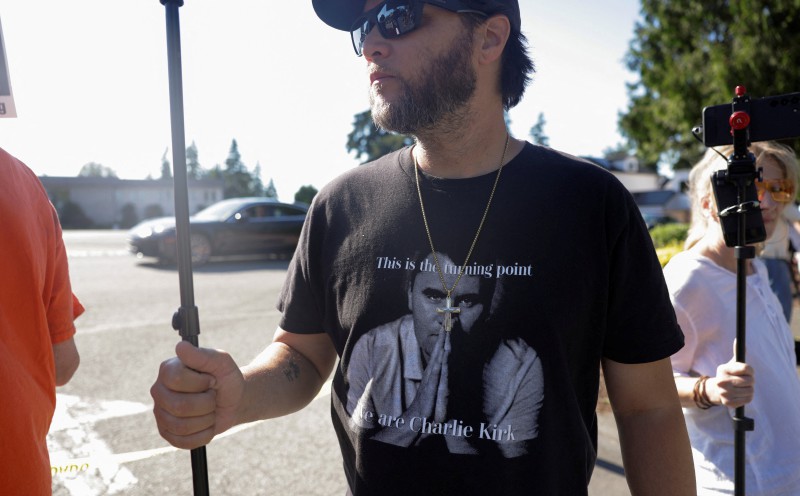
Twenty-five years after the September 11 attacks, which initially focused American concerns on foreign threats, a recent Reuters/Ipsos poll reveals that Americans are now more apprehensive about domestic extremism than foreign terrorism. Thirty-three percent of respondents cited domestic terrorism as the greatest threat to the average citizen, compared to 20 percent who identified foreign terrorism and 42 percent who felt random acts of violence, such as mass shootings, were the most pressing danger.
This shift in perception is a marked contrast to 2013, when only 21 percent of Americans considered domestic terrorism the top threat, less than 28 percent who viewed foreign terrorism as the biggest risk and 51 percent who deemed random acts of violence as the most dangerous.
The 9/11 attacks, orchestrated by al Qaeda, led to the collapse of the World Trade Center in New York City and the Pentagon outside Washington, D.C., resulting in thousands of deaths. The ensuing wars in Afghanistan and Iraq, which President Donald Trump continued a year later, were viewed by a majority of Americans as not worth their cost.
Sixty percent of respondents still recall the attacks, and about the same number would support a military response if there were another major attack. However, the US government's response to 9/11, which included the expansion of airport security and domestic surveillance, remains controversial. While 71 percent of Democrats and 75 percent of Republicans believe the heightened airport security has been worth the disruptions, 65 percent oppose the practice of intelligence agencies monitoring electronic communications without warrants.
Written by urgent.news from New Straits Times's reporting — not their text. Machine-written — may contain errors; check the original before relying on it.