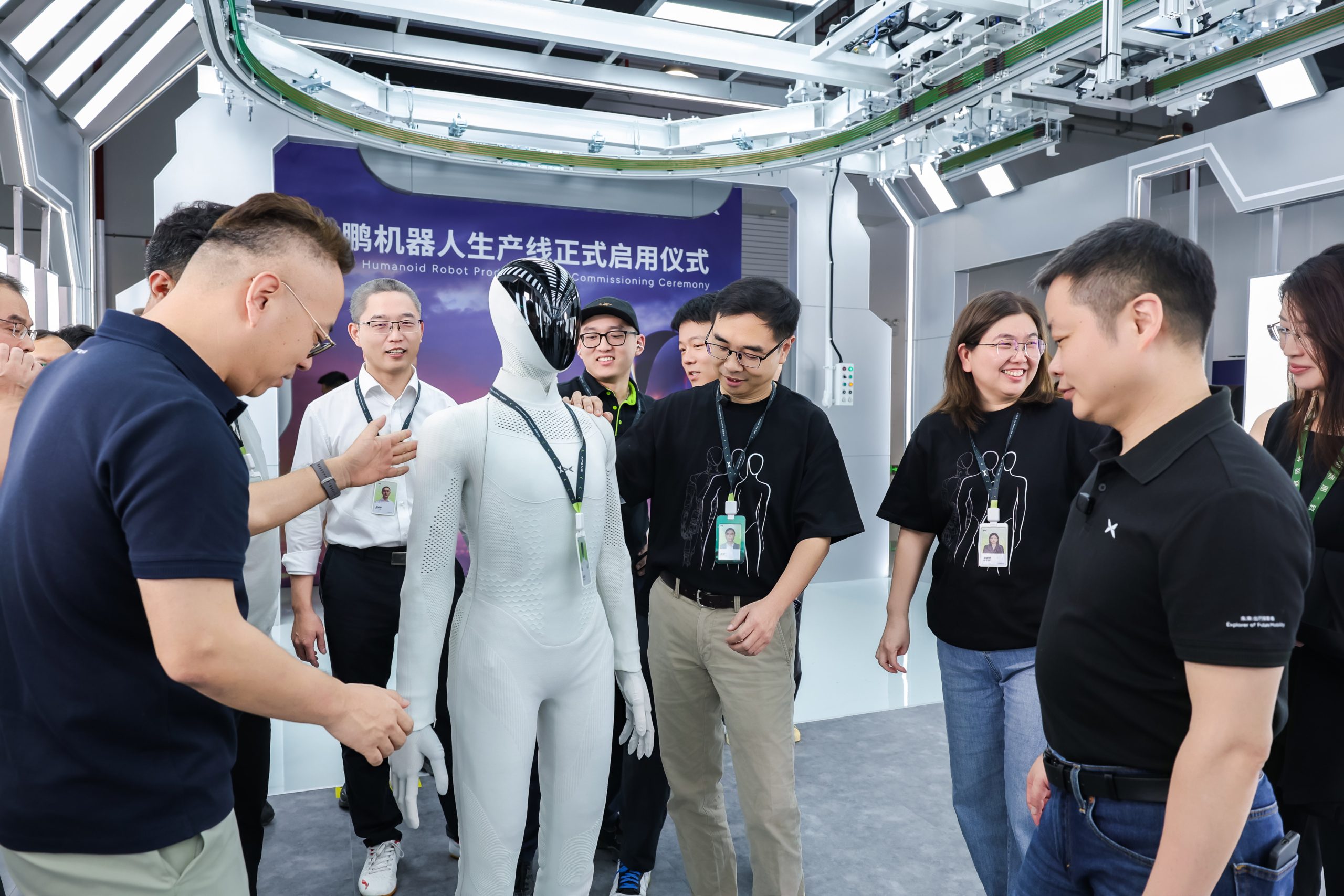
Xpeng commissions humanoid robot lines in China
Xpeng said more than 80% of core processes on the lines are automated.
China is rapidly transitioning humanoid robots from research labs to military applications, according to a recent report by Reuters. Once considered a mere source of amusement due to their clumsy movements and dependence on tethered operators, these advanced machines are now capable of running faster than Usain Bolt and even performing parkour maneuvers.
In August, the World Humanoid Robot Games were held in China, showcasing the significant progress made in this field. The PLA Daily, the official newspaper of the People's Liberation Army, called for researchers to expedite the transfer of these technologies from laboratories to military training grounds just two days after the games concluded.
Upon reviewing various sources, Reuters discovered that China is actively accelerating research into the military applications of humanoid robots and planning for their eventual deployment on the battlefield. While the technology has come a long way since its early stages, it still faces challenges such as limited operational endurance and occasional instability on rough terrain.
Despite these limitations, China envisions utilizing these robots in conjunction with other military assets, including unmanned vehicles and robot dogs. A research paper suggests that a future deployment could involve six combat robots, including humanoids, robot dogs, and unmanned vehicles, working together to clear enemy-occupied buildings.
Proposed uses for these robots include reconnaissance, logistics, patrols, and operations in tight spaces like tunnels and ships. Norinco, a state-owned defense company, has developed a humanoid named Fuxi that can perform sentry duties and all-weather reconnaissance, either autonomously or remotely controlled. However, concerns remain about the reliability of these machines in distinguishing between combatants and civilians, as well as their ability to recognize surrender.
Despite being deployed with an operational PLA unit so far, a Chinese military researcher warns that once the remaining technical and cost barriers are overcome, humanoid robots will soon "stream onto the battlefield."
Written by urgent.news from TechSpot's reporting — not their text. Machine-written — may contain errors; check the original before relying on it.
This story
This is one outlet's version. Read the fullest account.
- Satwik-Chirag breach Great Wall, China Masters win boosts Asian Games hopes timesofindia.indiatimes.com
- Humanoid robots are being prepared for combat as China moves them from labs to military training grounds techspot.com
- Faster than Usain Bolt? Here's all the records robot 'athletes' broke at this year's World Humanoid Robot Games in China. livescience.com