Why the Malacca Strait demands a binding Asean security framework
ON July 11, 1882, British warships anchored off Alexandria and unleashed a devastating barrage on the city's fortifications. The pretext was "restoring order" and "protecting the Suez Canal."
The British invasion of Egypt in 1882 was far from a noble act of restoring order. It was a ruthless seizure of fiscal sovereignty, diverting Egypt's abundant resources to fuel European industrial expansion. A mere 135 years later, in 2026, America sought to repeat history by claiming a substantial stake in Venezuela's vast oil reserves.
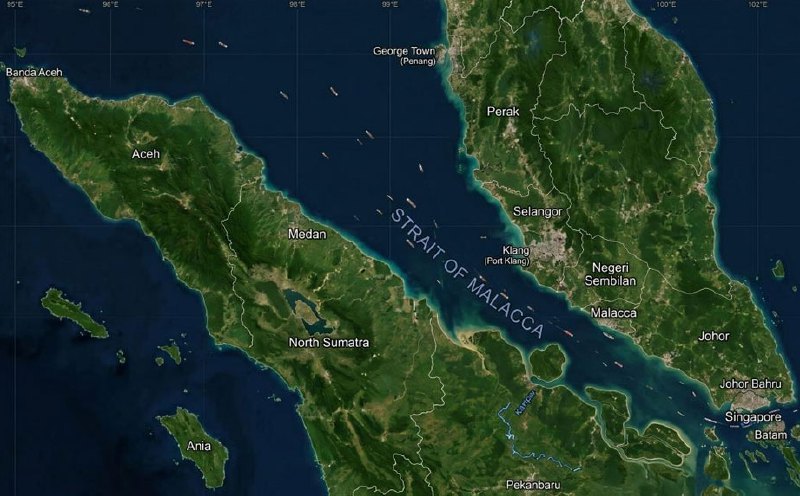
This is the same playbook, repackaged with contemporary firepower. If force alone can claim resources, then every international agreement, shipping route, and digital transaction becomes vulnerable to brute power. Nowhere is this more pressing than in Southeast Asia. The strategically vital Malacca Strait, hosting over 90,000 ships annually and 40% of global maritime trade, is under existential threat.
Submarine cables crisscrossing its narrow 2.8km width transmit 95% of global communications, including 99% of all transcontinental data. A hostile vessel anchoring at this chokepoint could effectively shutdown economies of China, India, Japan, and Southeast Asia, plunging them into chaos within minutes. This scenario is no longer a hypothetical nightmare; it is the grim reality of great power escalation unfolding right alongside our shores.
Thankfully, Southeast Asian nations have developed cooperative security mechanisms like the Malacca Straits Patrol. Yet these ad hoc arrangements are insufficient for the new threats. The Treaty of Amity and Cooperation (TAC), now celebrating its 50th anniversary, must be transformed from a diplomatic framework into a binding strategic compact for crisis management.
Harnessing its mechanisms, Asean needs to establish a High Council empowered to recommend peaceful dispute resolution and collective protection of shipping and submarine cables. By activating this dormant treaty, Southeast Asia can assert its right to dignity and resilience in an era where international order is increasingly imperiled.
Written by urgent.news from New Straits Times's reporting — not their text. Machine-written — may contain errors; check the original before relying on it.