We Must Defend the Refugee Convention
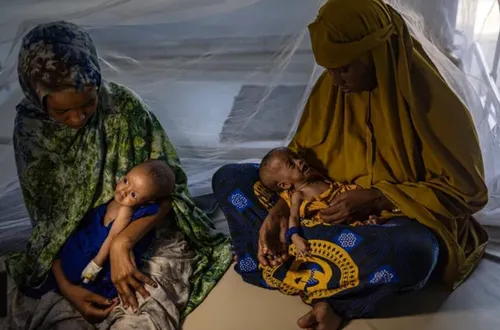
People escaping war and conflict should be able to find safety, writes Theo James.
Theo James, inspired by his grandfather's journey, is committed to sharing the stories of refugees. In 1941, his grandfather fled Greece during Nazi occupation, boarding a small boat to cross the Aegean Sea to Turkey. His service in the British Navy meant he could not stay in Greece, where those aiding the Allies faced severe punishment, including arrest, imprisonment, or execution.
Eventually, he reached Syria, finding safety in Damascus. When the war ended, Europe was flooded with displaced people, including Holocaust survivors, former prisoners of war, and forced laborers. My grandfather returned to Europe and dedicated his medical skills to helping others whose lives had been shattered by the same war. He worked for the UN Relief and Rehabilitation Administration, treating diseases like tuberculosis and typhoid in camps in Germany.
The 1951 Refugee Convention, created after WWII, defined who is a refugee, outlined their rights, and set state responsibilities. However, recent years have seen a rise in xenophobia, shrinking humanitarian aid, and weakening international solidarity, threatening the promise of safety. As world leaders gather in New York, it is crucial to reaffirm this promise and support humanitarian agencies like UNHCR.
The Convention's lessons must be upheld, as protecting refugees strengthens communities, reduces instability, and ensures a safer, more humane world for all. My grandfather's experience reminds us that anyone could become a refugee, and the right to seek safety must be defended.
Written by urgent.news from Time's reporting — not their text. Machine-written — may contain errors; check the original before relying on it.