‘We celebrate getting trapped in EMIs’: Woman's take on 'India's idea of success' sparks debate
An X user's post questioning India's traditional definition of financial success has sparked a debate online, with users divided over whether home loans and EMIs represent financial security or long-term financial burden.
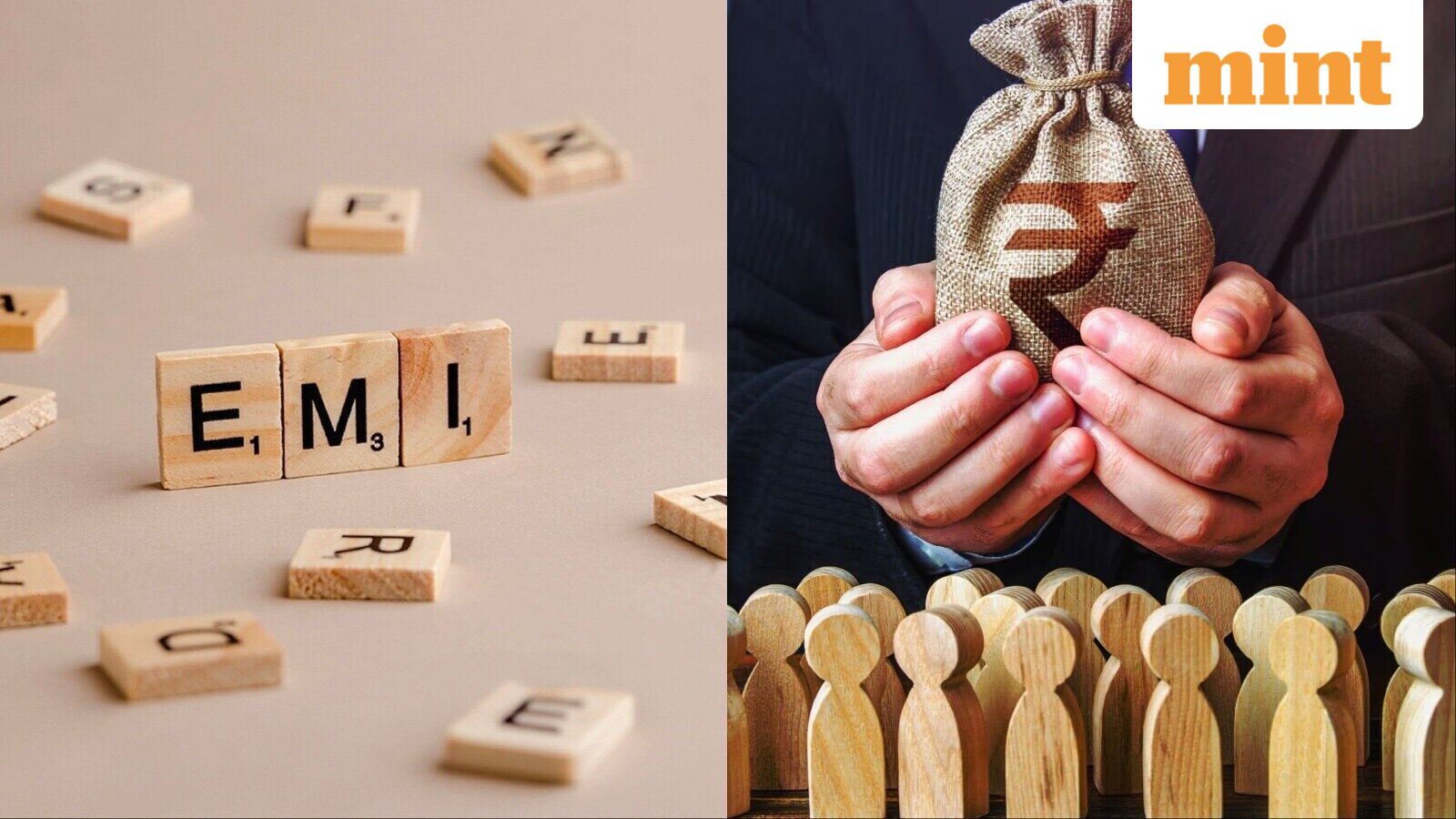
Neha Patel, an X user, has ignited a debate online by questioning the Indian perspective on financial success. Patel criticized the societal norms that equate success with owning a home, car, and getting married, rather than focusing on financial independence. She argued that a 28-year-old earning ₹1 lakh per month but living independently is deemed unsuitable, while taking a 25-year home loan, 7-year car loan, and getting married, suddenly signifies success.
Patel stated, "Basically you aren't settled until banks own your next 25 years of salary. We don't celebrate financial freedom. We celebrate getting trapped in EMIs and call it success."
The post garnered over 3.2k likes and sparked a range of reactions. Some users challenged Patel's viewpoint, pointing out that long-term home loans do not necessarily mean borrowers remain tied to the loan for its entire tenure. One user suggested that home loans can be paid off earlier, turning the loan into an asset over time.
Another user noted that loans and EMIs have become prevalent due to the influence of Western culture, and that people should learn to save and invest instead. A third user emphasized that buying a house is an investment, not an expense, and that it allows individuals to add to their wealth while reducing rent payments.
Other users focused on the broader issue of social expectations surrounding success. One user commented, "lol the Indian definition of success is wild," while another attributed societal pressure to appear successful as the root cause of the issue. Patel's post has initiated a broader conversation on X about whether being "settled" should be measured by conventional milestones or an individual's ability to maintain financial independence.
Written by urgent.news from Live Mint's reporting — not their text. Machine-written — may contain errors; check the original before relying on it.