UAE govt mulls alternative routes for oil exports
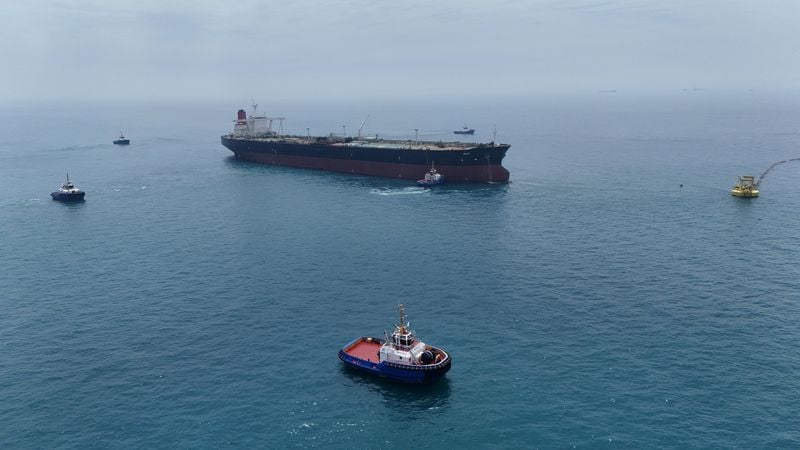
DUBAI: The United Arab Emirates is building alternative routes for its energy exports and trade to ensure they are not “held hostage” by the ongoing war between the US and Iran, UAE presidential adviser Anwar Gargash said on Monday. The conflict has had a significant impact on Gulf Arab states, including the UAE, after Tehran fired missiles at the country and attacked its oil tankers in the…
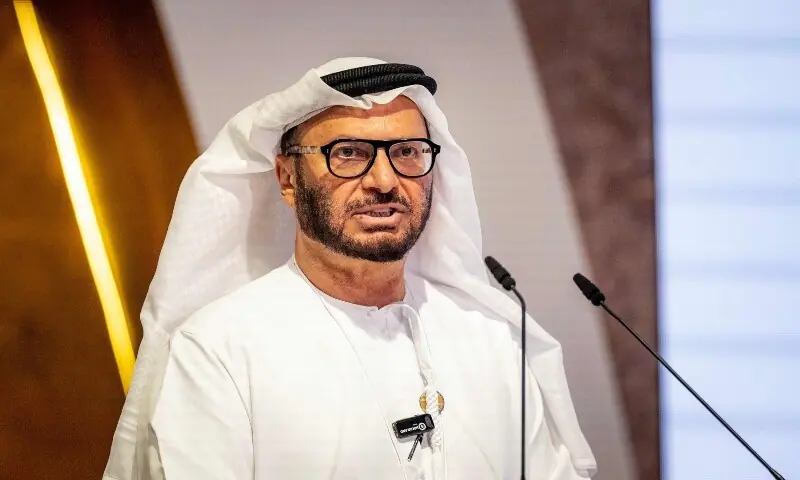
DUBAI - The United Arab Emirates (UAE) is constructing alternative pathways for its energy exports and trade, aiming to shield them from potential threats posed by the ongoing conflict between the United States and Iran, as per UAE presidential adviser Anwar Gargash. The war's repercussions have been significant for Gulf Arab states, including the UAE, following Iran's missile strikes on the nation and its oil tankers in the Strait of Hormuz.
Gargash asserted during a speech at the Hili Forum in Abu Dhabi, "Our energy exports will not be held hostage, nor will our trade and economic activity."
The UAE has been augmenting port capacities along its eastern coastline, alongside developing pipelines, railways, and trade routes for alternative corridors. While recognizing a potential recovery in relations with Iran, Gargash cautioned that mending trust following the attacks might take several decades. He also criticized Gulf Arab states for their inability to coordinate a unified response to Iran, stating they have been unable to translate their shared concerns into a cohesive strategy.
Qatar's foreign ministry spokesperson, Majed al-Ansari, echoed similar apprehensions at the same forum, urging Gulf Arab nations not to depend solely on their strategic alliance with the United States for security. He emphasized, "We need to realize in the Gulf that having international forces in the region, having a strategic alliance with the US is very important but is not enough."
Iran proceeded with its threat to blockade the Strait of Hormuz, a vital conduit for nearly a fifth of global energy supplies, leading to a surge in energy prices and a global economic crisis. The waterway remains a pivotal point of contention in negotiations between Washington and Tehran, mediated by Qatar and Pakistan. Iran asserts the strait belongs to Iran and Oman, a stance most Gulf states broadly reject.
Gargash emphasized, "Freedom of navigation is not a concession to be granted, nor a principle to be renegotiated under pressure." He added that any long-term resolution must incorporate credible assurances against further Iranian attacks on Gulf Arab states.
Written by urgent.news from Dawn Business's reporting — not their text. Machine-written — may contain errors; check the original before relying on it.