Trump’s Venezuela oil deal: why China can wait and watch
When US President Donald Trump announced on August 28 that the United States had secured majority control over some 65 billion barrels of Venezuelan oil through a private company, the North American Blue Energy Partners (NABEP), he called it “the biggest oil deal in history”. The White House fact sheet provided the details: NABEP’s 100-year concessions on 17 oilfields with 65 billion barrels of…
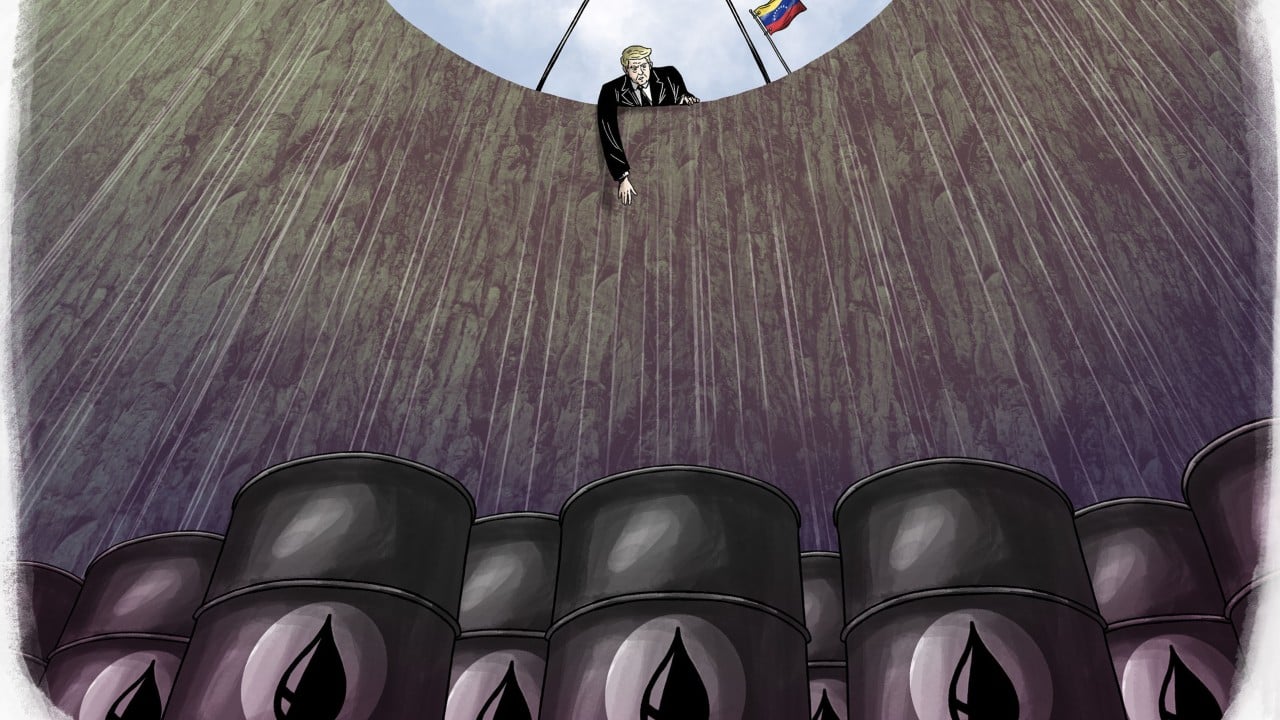
President Donald Trump secured majority control over approximately 65 billion barrels of Venezuelan oil via a private company called North American Blue Energy Partners (NABEP), claiming it as "the biggest oil deal in history". The deal involved 17 oilfields with 65 billion barrels of proven reserves, a 35% Pentagon stake, a 20% State Department offtake at cost with a right of first refusal, and a Washington veto over the appointment of board members, majority of whom must be US citizens.
The US, seeking to displace China as the strategic competitor in Venezuela's oil sector, announced this deal. However, Venezuela only produces around 1% of global oil output, and restoring production to 3 million barrels per day would require $183 billion in capital over 15 years, well beyond NABEP's pledge of up to $100 billion.
Developing extra-heavy oil is a long-term process with three constraints: high break-even costs, Venezuela's heavy and high-sulphur crude trading at a discount, and the $183 billion needed far exceeds the US pledge. This deal is a form of indirect expropriation, rather than a commercial transaction. NABEP is a privately held vehicle that gives the US government equity, board control, and procurement guarantees while appearing as a private commercial transaction.
China's response to the deal was measured, emphasizing that Venezuela's oil and gas resources are state-owned and not for sale, and that China's contractual rights under international law remain valid. Despite the US's attempts to redraw subsurface rights, Venezuela's constitution and China's existing contracts protected by international law will hinder such actions.
Written by urgent.news from Reuters Business via SCMP's reporting — not their text. Machine-written — may contain errors; check the original before relying on it.
Also reported by 5 other outlets
- Trump’s Venezuela oil deal: why China can wait and watch scmp.com
- China has run out of patience with Trump macrobusiness.com.au
- Trump administration expresses 'profound concern' over Ford's ties to China cnbc.com
- Glencore, Mercuria compete for Venezuela aluminum smelter deal mining.com
- Glencore, Mercuria pursuing Venezuela aluminum smelter deal - Bloomberg seekingalpha.com