Transparency International says Malaysia not ready for public political funding
KUALA LUMPUR: Transparency International Malaysia (TI-M) believes public funding for political parties should be introduced in Malaysia to reduce parties’ dependence on corporate donors, but the country is not yet ready due to a deficit of trust in public institutions.
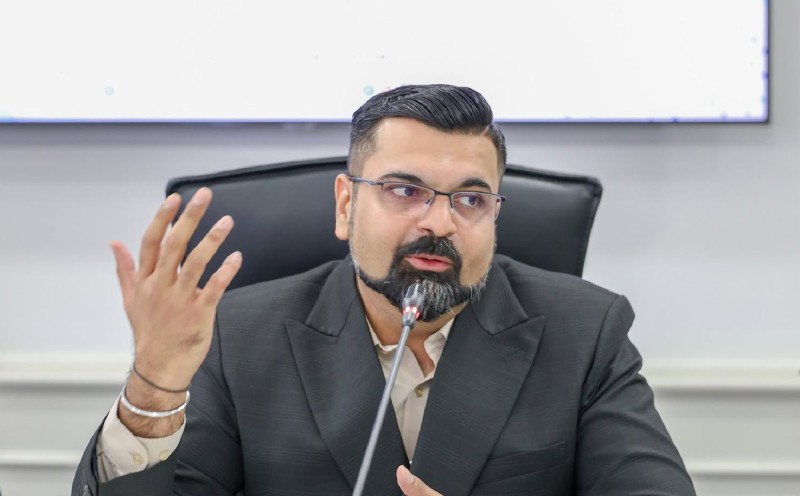
Transparency International Malaysia (TI-M) contends that public funding for political parties in Malaysia would benefit the nation by reducing reliance on corporate donors, but the country is not ready for such a measure due to a lack of trust in public institutions, according to its president Dr Raymon Ram. During a panel discussion on the Political Financing Reform Forum, Ram emphasized that if public funding were to be introduced, safeguards must be established to ensure the transparent and responsible management of public funds.
Other panelists included IDEAS CEO Aira Azhari, MACC National Governance Planning Division Deputy Director Gunawan Che Ab Aziz, Malay Chamber of Commerce Malaysia (DPMM) Secretary-General Datuk Mazrol Nizam Abdullah, and former Special Select Committee on Human Rights, Elections and Institutional Reform Chairman William Leong Jee Keen.
Azhari moderated the discussion and highlighted the need for a clear formula for allocating funds, including a rationale for providing the funds and the criteria for determining the amount received by each party. Additionally, Azhari stressed the importance of an oversight body to oversee the use of public funds.
Gunawan, representing the MACC, concurred with the concept of public funding in principle, as it has been practiced in several countries. However, he acknowledged that the suitability of the model for Malaysia must be assessed based on the country's unique political, economic, and demographic conditions. Gunawan also noted that the proposal for public financing was previously submitted during the preparation of earlier draft political funding laws, but it was not included in the final draft due to the government's disagreement.
Leong emphasized that public funding could help change public perception about elected representatives or the government in power having automatic access to funds to be distributed to the people. He also pointed out that public funding could alleviate pressure on political parties to obtain funding from wealthy individuals and corporations.
Leong stressed that public funding should be distinct from constituency development funds (CDFs), which are government allocations to political parties for operational purposes, such as paying rent, salaries, and party expenses, rather than funds distributed to voters.
Written by urgent.news from New Straits Times's reporting — not their text. Machine-written — may contain errors; check the original before relying on it.