The least free place on earth: Occupied Ukraine
As discriminatory Russian policies permeate every aspect of residents’ lives here, many wonder what, if anything, Ukrainian will remain.
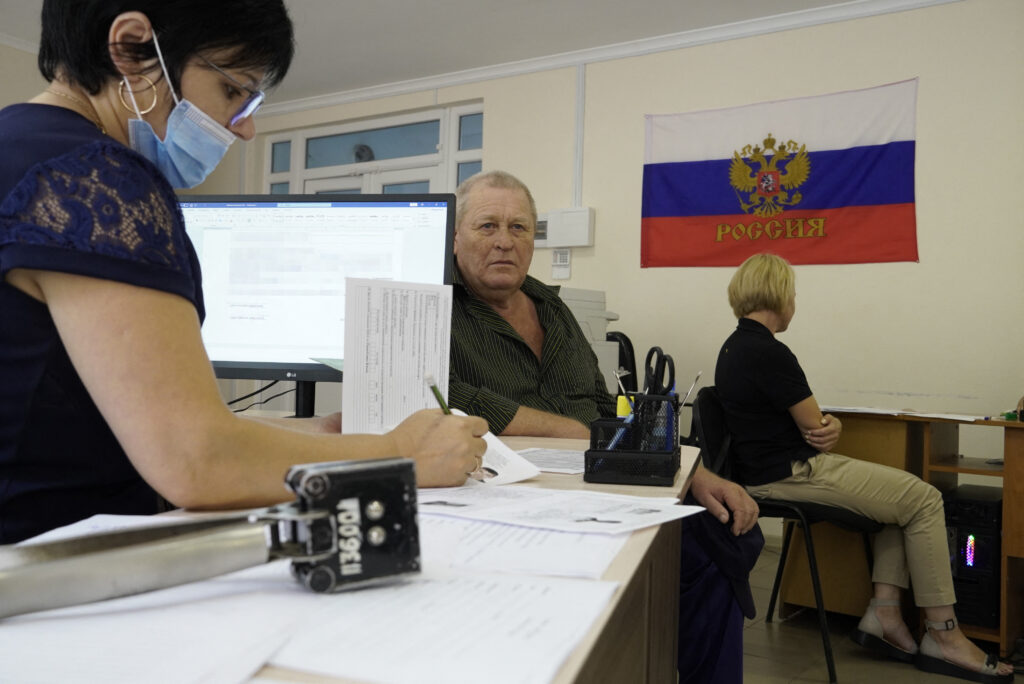
Ukraine's occupied eastern and southern territories have been ranked as the most unfree places in the world by U.S.-based democracy tracker Freedom House for the second consecutive year. The region, which Russia claims to have annexed, is characterized by repressive legislation and the systematic violation of human rights.
Residents are subject to forced citizenship, antiterrorism laws targeting political dissidents and religious minorities, and state theft. Discriminatory policies, written into Russian law, are deeply entrenched in daily life. Russia is accused of deliberately altering the demographic makeup of the region to undermine the local culture and political influence.
The occupation has led to numerous detentions and forced deportations, with at least 16 Russian laws and decrees targeting Ukrainians in these territories. Schools in the occupied areas teach a Russian version of history, promoting Russian identity and values while punishing Ukrainian nationalism. Moreover, the regime actively encourages the resettlement of Russians to these areas.
Liudmila Chub, a resident of the occupied Kherson region, was forced to obtain a Russian passport to keep her job. She spent eight months in detention before being deported to Russia. Similarly, IT specialist Serhii Gryshchenkov from Sevastopol in occupied Crimea was held incommunicado and tortured for a year before being charged with treason in 2026.
These instances demonstrate the systemic approach to restricting rights and fundamental freedoms in occupied Ukraine, with parallels to cultural genocide.
Written by urgent.news from Politico EU's reporting — not their text. Machine-written — may contain errors; check the original before relying on it.