US air-defence exit from Iraq risks creating wider regional security gap
Countries neighbouring Iraq are reassessing their security calculations as the withdrawal of US-led coalition air-defence systems, including those deployed in the north, removes an important defensive layer along a route repeatedly taken by Iranian missiles and drones. The September 30 deadline was agreed on between Baghdad and Washington in 2024 as part of a broader agreement to transform the…
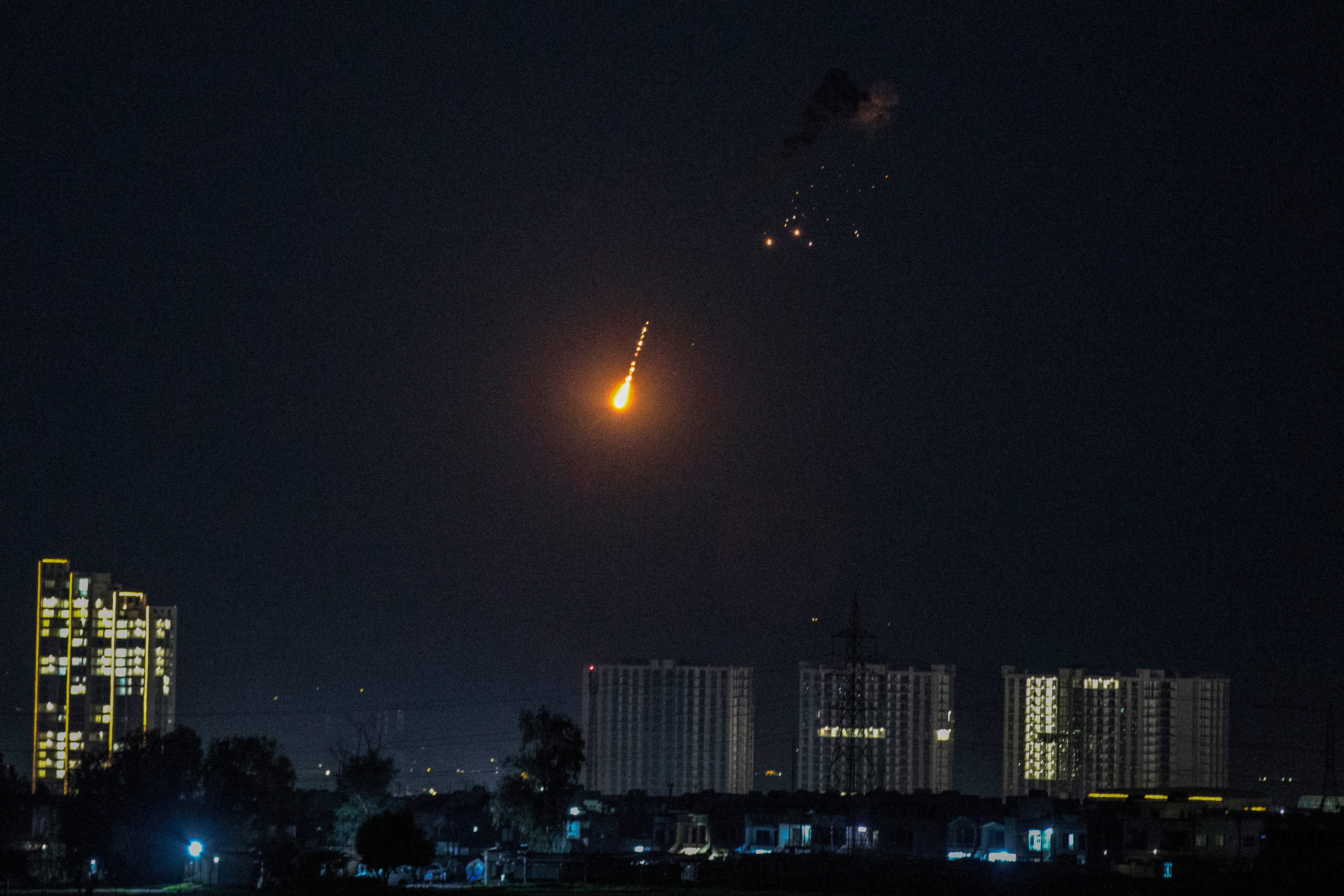
The withdrawal of US-led coalition air-defence systems from Iraq, set to complete by September 30, 2024, is causing neighbouring countries to reconsider their security strategies. These systems, including those in the Kurdistan Region, have served as a crucial defensive layer against Iranian missiles and drones. The losses will be felt most acutely in Jordan, Syria, and Israel, where US air-defence capabilities played a significant role in security planning.
The absence of these systems could create a significant security vacuum, making it easier for adversaries to breach airspace. Iraqi officials are working on a three-year plan to develop an integrated national air-defence system, but regional analysts are doubtful that this will be sufficient to mitigate the impact of the US withdrawal.
Written by urgent.news from The National UAE's reporting — not their text. Machine-written — may contain errors; check the original before relying on it.
Also reported by 1 other outlet
- US air-defence exit from Iraq risks creating wider regional security gap thenationalnews.com