Some Black Holes Grow Much Faster Than Their Galaxies
New observations find that a few supermassive black holes are unexpectedly large given the size of their galaxies. This suggests the connection between black holes and galaxies isn't as strong as we thought.
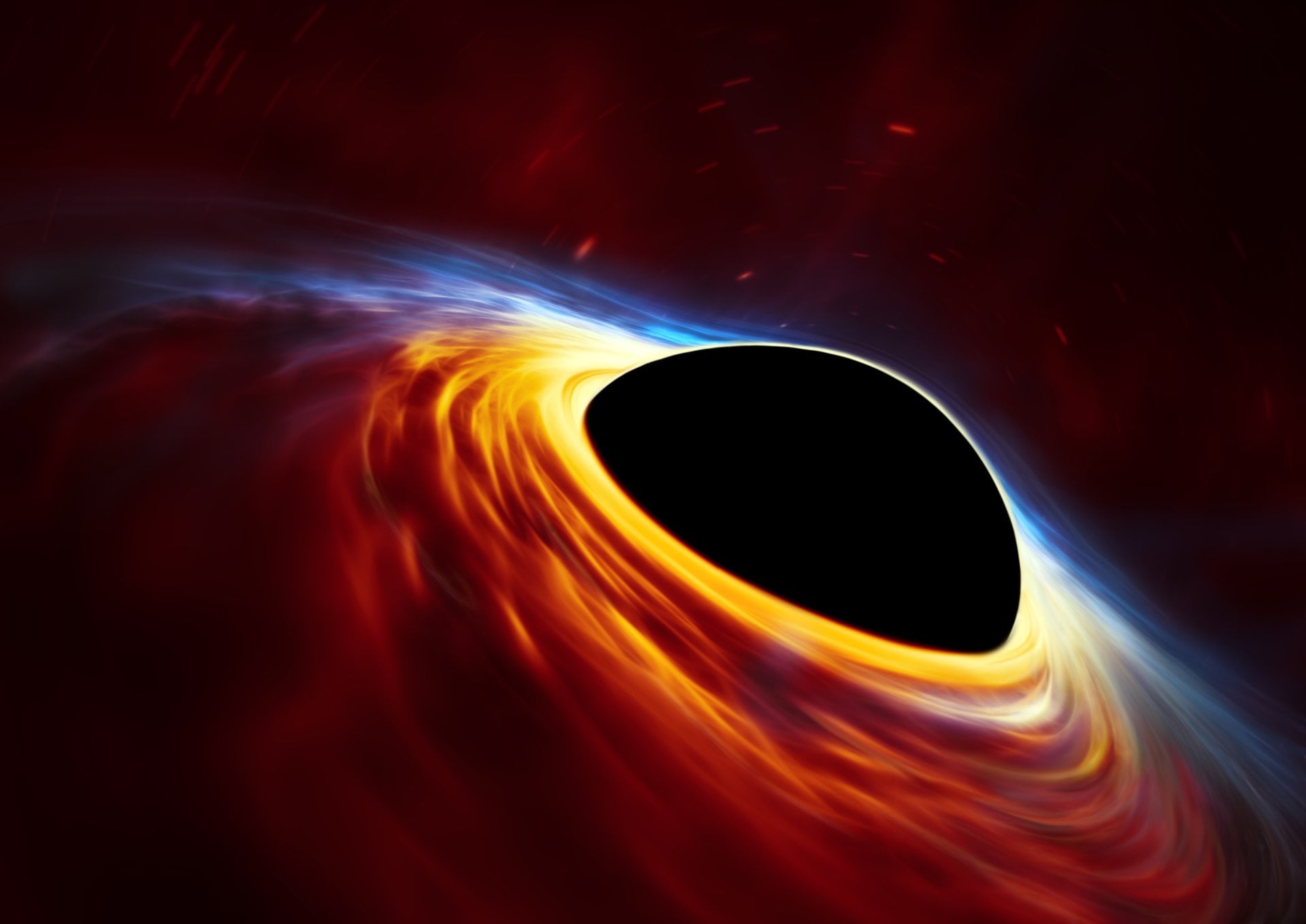
A recent study has revealed a curious phenomenon: some supermassive black holes are growing much faster than their host galaxies. Traditionally, researchers believed that galaxies and their black holes evolved together, with black holes typically accounting for about half a percent of a galaxy's mass. However, this new research challenges that understanding.
By analyzing data from over 20,000 quasars, which are powered by active supermassive black holes, the team discovered eight quasars that stand out. In these exceptional cases, the black holes were 20 times more massive than the galaxies they inhabited, a ratio far exceeding the usual 200 to 1. This means that these black holes make up about 5% of their galaxies' mass, rather than the typical 0.5%.
Moreover, three of these quasars were among the brightest, indicating they consume matter at an unusually rapid rate. The authors estimate these particular black holes might double in mass within a billion years. One intriguing aspect of these unusual black holes is their companion galaxies, which tend to be much less luminous, suggesting they harbor fewer stars than galaxies like the Milky Way.
It remains uncertain whether these galaxies will eventually form new stars, or if the black holes will consume all the available material. The findings suggest that, while black hole and galaxy growth are generally connected, there may be specific circumstances where this relationship becomes more pronounced and complex. Further observations are needed to fully understand the dynamics between galaxies and their supermassive black holes.
Written by urgent.news from Universe Today's reporting — not their text. Machine-written — may contain errors; check the original before relying on it.