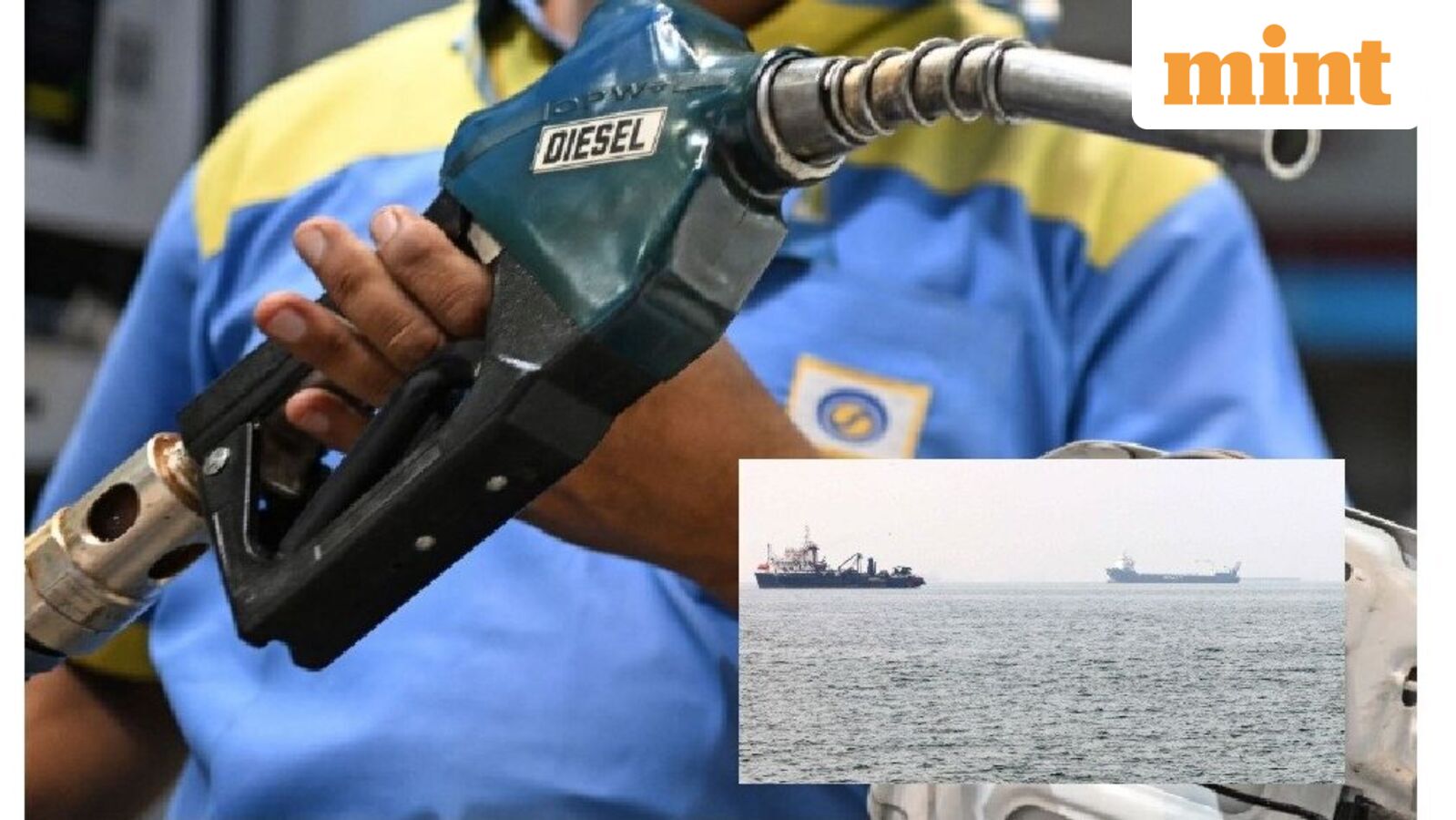
Ringgit opens almost flat against US dollar as West Asia conflict keeps oil prices elevated
KUALA LUMPUR, Sept 8 — The ringgit was almost flat against the US dollar at today’s open, as investors remai...
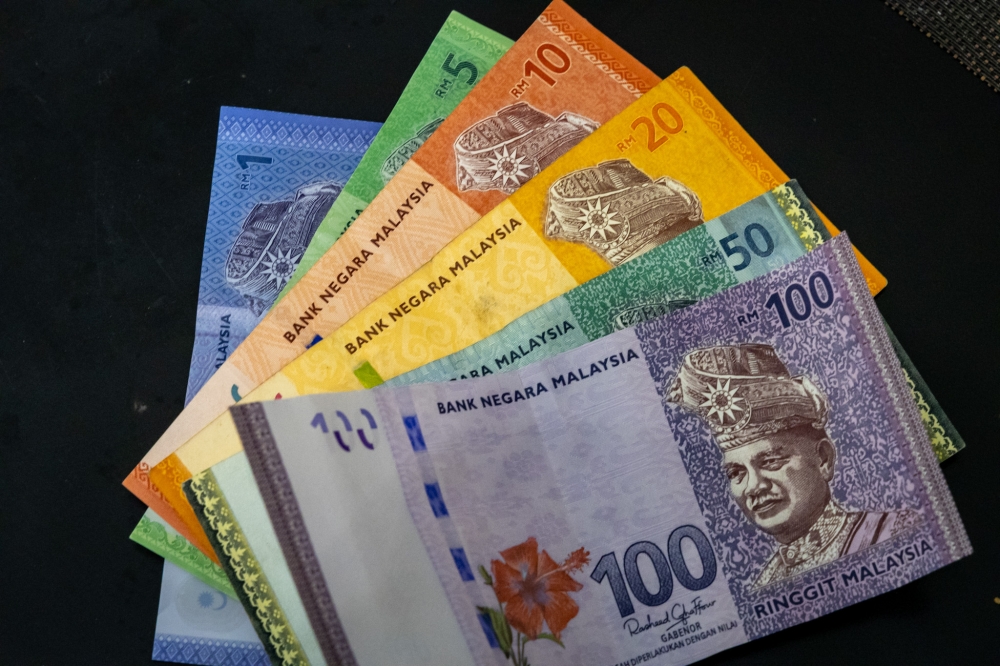
KUALA LUMPUR, Sept 8 — The Malaysian ringgit opened almost unchanging against the US dollar on Tuesday, as investors remained wary due to the ongoing conflict in West Asia. This conflict has been causing crude oil prices to rise, which in turn supports the greenback. The local currency strengthened to 4.0420/0480 against the US dollar from Monday's close of 4.0440/0485 at 8 am.
Dr Mohd Afzanizam Abdul Rashid, chief economist at Bank Muamalat Malaysia Bhd, suggested that the ongoing conflict may keep US inflation above the Federal Reserve's 2% target for an extended period. This could lead to more talk of a US interest rate hike next week, as the economy is showing strong performance in non-farm payrolls.
The recent agreement between Iran and Oman to manage shipping through the Straits of Hormuz, nearing completion, indicates that the conflict with the US may continue for a longer time. This prolonged conflict could keep crude oil prices high due to disrupted oil supplies from the Gulf region, which accounts for about 20% of global oil supplies.
Despite this, Afzanizam expects the ringgit to stay within a tight range, between RM4.04 and RM4.05, as domestically positive economic factors make Malaysian financial assets attractive. Meanwhile, Quintex Intel's global strategist Stephen Innes noted that a stronger US consumer price index (CPI) reading might support the case for a September Fed interest rate hike, providing short-term support for the US dollar.
Innes also pointed out that many analysts are becoming more optimistic about a September interest rate hike, though markets still consider it a 50/50 chance. The ringgit traded lower against other major currencies, including the Japanese yen, euro, and British pound. However, it remained stronger against regional currencies such as the Thai baht, Philippine peso, and Indonesian rupiah.
Written by urgent.news from Malay Mail's reporting — not their text. Machine-written — may contain errors; check the original before relying on it.