Opinion: Pune Is Speaking Up. And That's A Good Thing
In the last few days, Punekars have taken to the streets over a range of issues. While the concerns were different, they reflected a common sentiment: citizens are speaking up rather than simply complaining in private and moving on. And that is a good thing. A democracy cannot function only through elections. Voting once every few years is not the only way citizens can participate. They have the…
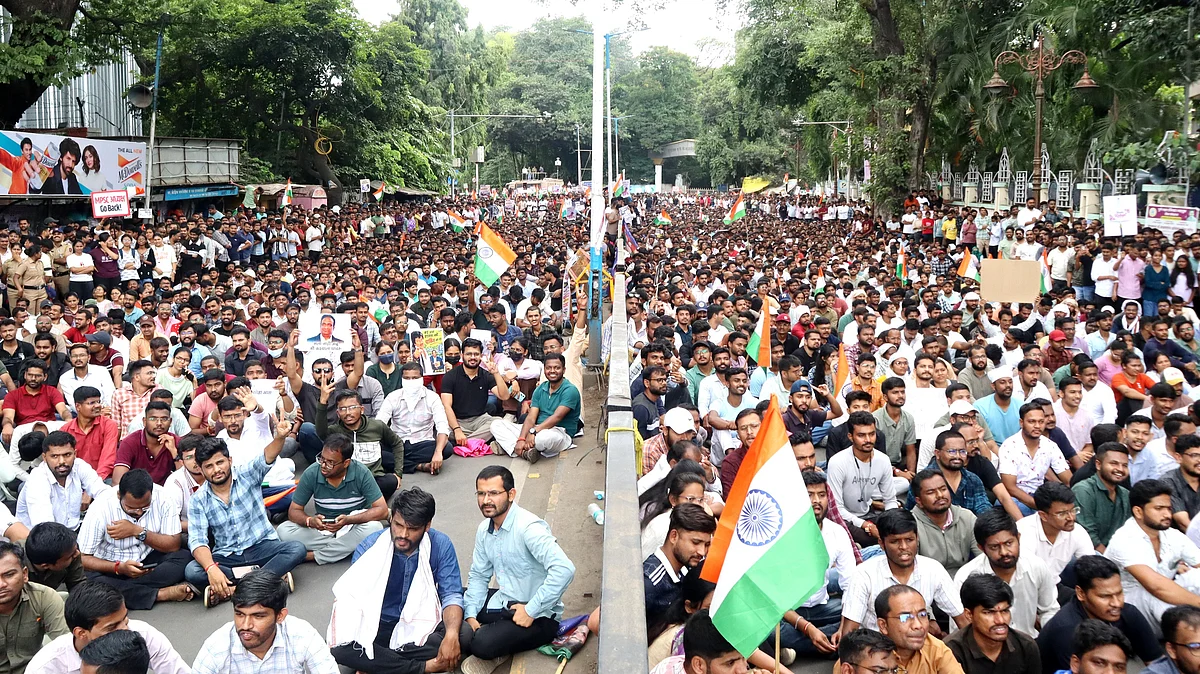
In recent days, the citizens of Pune have taken to the streets to address a variety of issues. While the concerns differed, they all shared a common theme: Punekars are beginning to speak up instead of quietly complaining. This is a positive development, as a democracy relies not only on elections but also on active citizen participation.
Voting once every few years is not the sole way to engage; citizens have the right and responsibility to question authorities and express their dissent. Peaceful protests play a crucial role in this process.
The recent protests in Pune reveal a range of grievances. One example is the MPSC protest, where thousands of students gathered to demand accountability over the examination and recruitment process. These students have invested years in study and face immense pressure from families and society. When they perceive flaws in the system, they should feel empowered to ask questions and seek answers.
Another protest highlighted the debate over loudspeakers during festivals. Those advocating for restrictions are not necessarily against celebrations; their primary concern is the right to sleep, work, and live without excessive noise. While celebrations are important, so too is consideration for those living nearby. Punekars demonstrated a willingness to march against DJs and loudspeakers, emphasizing the importance of respectful coexistence.
Infrastructure issues in Hinjawadi also sparked a protest. With thousands of people commuting to the IT hub daily, poor roads and traffic congestion lead to longer commutes and daily frustration. The safety risks posed by these roads are significant, raising questions about the well-being of those who rely on them. The protest underscored the need for improved infrastructure to ensure the safety and convenience of residents.
Despite these protests, it's essential to acknowledge that not every demonstration is flawless. Critics argue that frequent protests can disrupt daily life, cause traffic congestion, and sometimes be manipulated by political interests seeking attention. These concerns are valid, and not every demand may warrant immediate action.
However, the ideal response to a flawed protest is not silence but rather a more effective one. A democracy that shies away from questioning anything is far more concerning than one where individuals occasionally make mistakes. This healthy dialogue is a testament to the vitality of any city. Residents should not feel compelled to wait for someone else to address civic problems.
If a road is unsafe, they have the right to demand its improvement. If excessive noise affects their quality of life, they should seek solutions. If students believe an examination process is unfair, they should voice their concerns.
Punekars are increasingly unwilling to remain silent when issues impact their lives. They desire to be heard and to see tangible change. The city's decision to be heard rather than silent is a commendable step forward, and it is worth celebrating.
Written by urgent.news from Free Press Journal's reporting — not their text. Machine-written — may contain errors; check the original before relying on it.