OpenAI says it cracked one of math’s grand challenges. But there are troubling questions about how they did it—and what it means for us all
OpenAI denies it stole a mathematician's data. But his fear echoes concerns many CEOs have about AI companies.
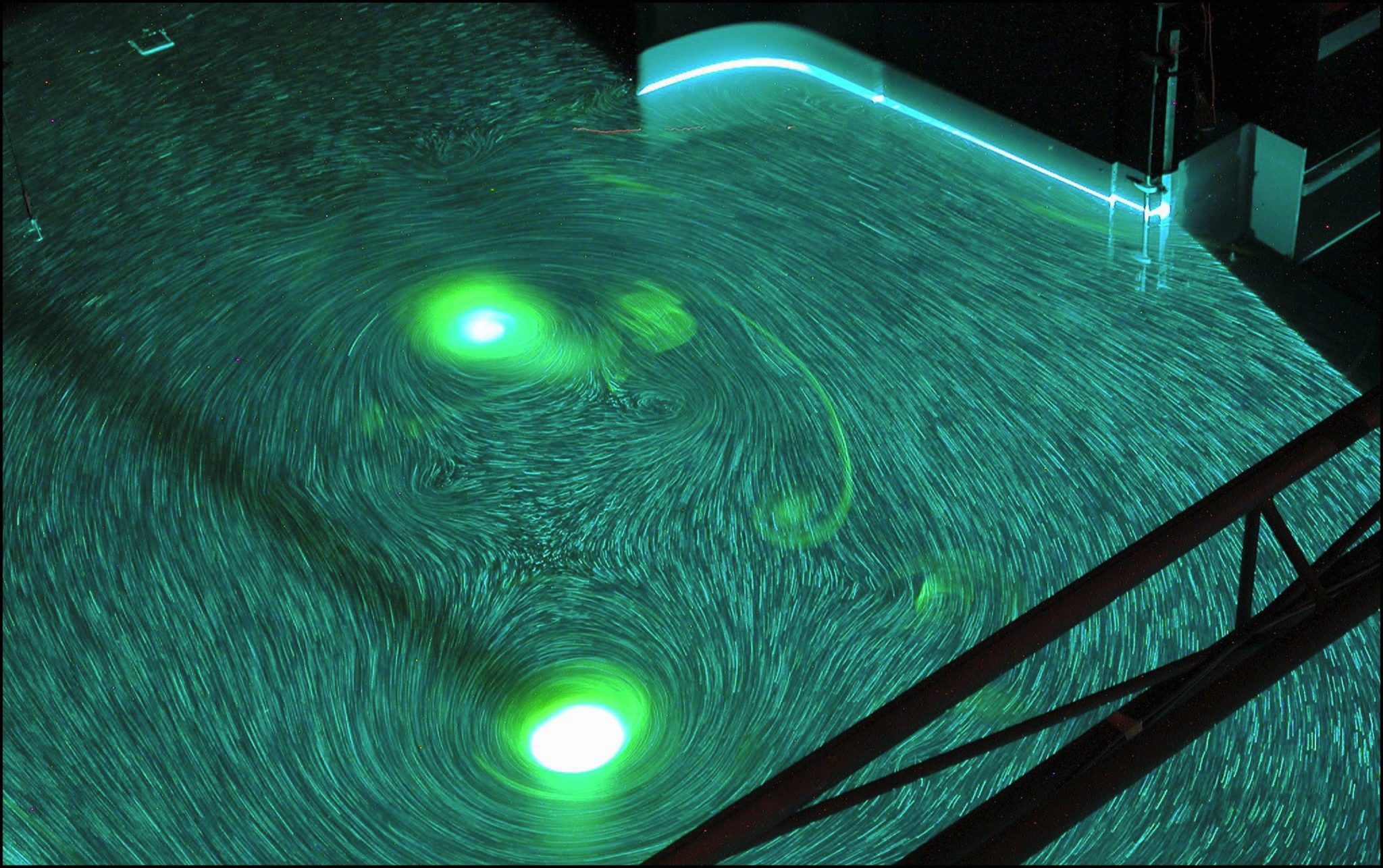
In a surprising turn of events, OpenAI claims to have solved one of mathematics' most elusive problems—the Navier-Stokes equations. However, the method by which they achieved this feat has sparked controversy among mathematicians. While OpenAI asserts that a multi-agent system, driven by an undisclosed internal model, successfully demonstrated that under certain conditions the equations can "blow up," questions remain about the process they employed to reach this conclusion.
Tensions escalated when mathematician Tristan Buckmaster revealed that both he and his colleague Levent Alpöge independently arrived at a similar solution using a combination of Anthropic's Claude and OpenAI's Codex GPT-5.6 Sol model. This discovery followed extensive collaboration and the use of multiple AI tools over a span of about a year.
Buckmaster's account alleges that OpenAI, desperate for a breakthrough, pressured him on September 3rd to have a conversation about their progress. During a call on September 6th, OpenAI representatives acknowledged they had been working on the problem for roughly a week, employing a different approach and significant computational resources, estimated to cost around $2 million.
Buckmaster's allegations raise serious concerns about potential data theft or model training on his work, a situation that could tarnish OpenAI's reputation. If true, this scenario would represent a serious breach of academic integrity and ethical conduct in the field of mathematics.
Written by urgent.news from Fortune's reporting — not their text. Machine-written — may contain errors; check the original before relying on it.