NIH to use part of its budget to pay for Department of Defense research
Money would ostensibly fund research the NIH leadership said it no longer wanted.
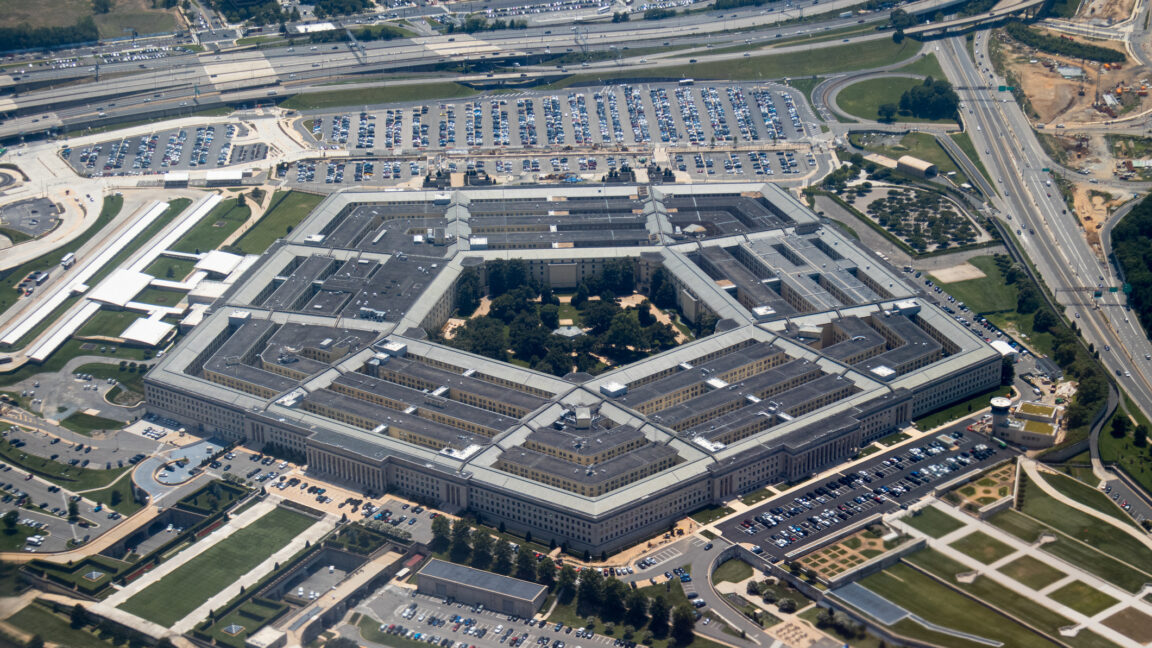
The National Institutes of Health (NIH) has entered into an agreement with the Department of Defense that will utilize a portion of the NIH's budget for research projects overseen by the Department of Defense. This news emerged late last week, just before a US holiday weekend, as the Department of Defense released a copy of the agreement and confirmed its signing date.
The agreement, which is set to last for ten years, has sparked discussion due to significant budget disparities between the two entities and the fact that the NIH leadership has previously opposed the proposed projects. The agreement enables the NIH to transfer funds to the Department of Defense to support staff and projects aimed at advancing medical countermeasures against various threats, including pandemic influenza, chemical, biological, radiological, and nuclear (CBRN) dangers, and emerging infectious diseases.
These funds will be drawn from the budget of the National Institute of Allergy and Infectious Diseases (NIAID), which Congress allocated $6.6 billion for 2026. The specifics of how much of the NIAID budget will be allocated to Defense projects remain undisclosed. According to reporting by Nature, the Department of Defense was seeking up to one-third of its total budget, but was willing to accept around 10 percent.
The budget of the Department of Defense is roughly $1 trillion, which is currently under considerable strain due to the ongoing conflict with Iran. This deal comes at a time when the NIH has been facing challenges in disbursing the funds Congress has allocated to it.
Written by urgent.news from Ars Technica Science's reporting — not their text. Machine-written — may contain errors; check the original before relying on it.
This story
This is one outlet's version. Read the fullest account.