NASA Calls for Proposals to Accelerate Lunar Surface Technologies
NASA is seeking proposals to advance the technology and infrastructure needed to explore the Moon and establish a Moon Base in the lunar South Pole region. Announced on Tuesday, Sept. 8, the solicitation targets capability gaps, including power generation, oxygen extraction, and producing materials on the Moon required for construction and operations. These technologies are […] The post NASA…
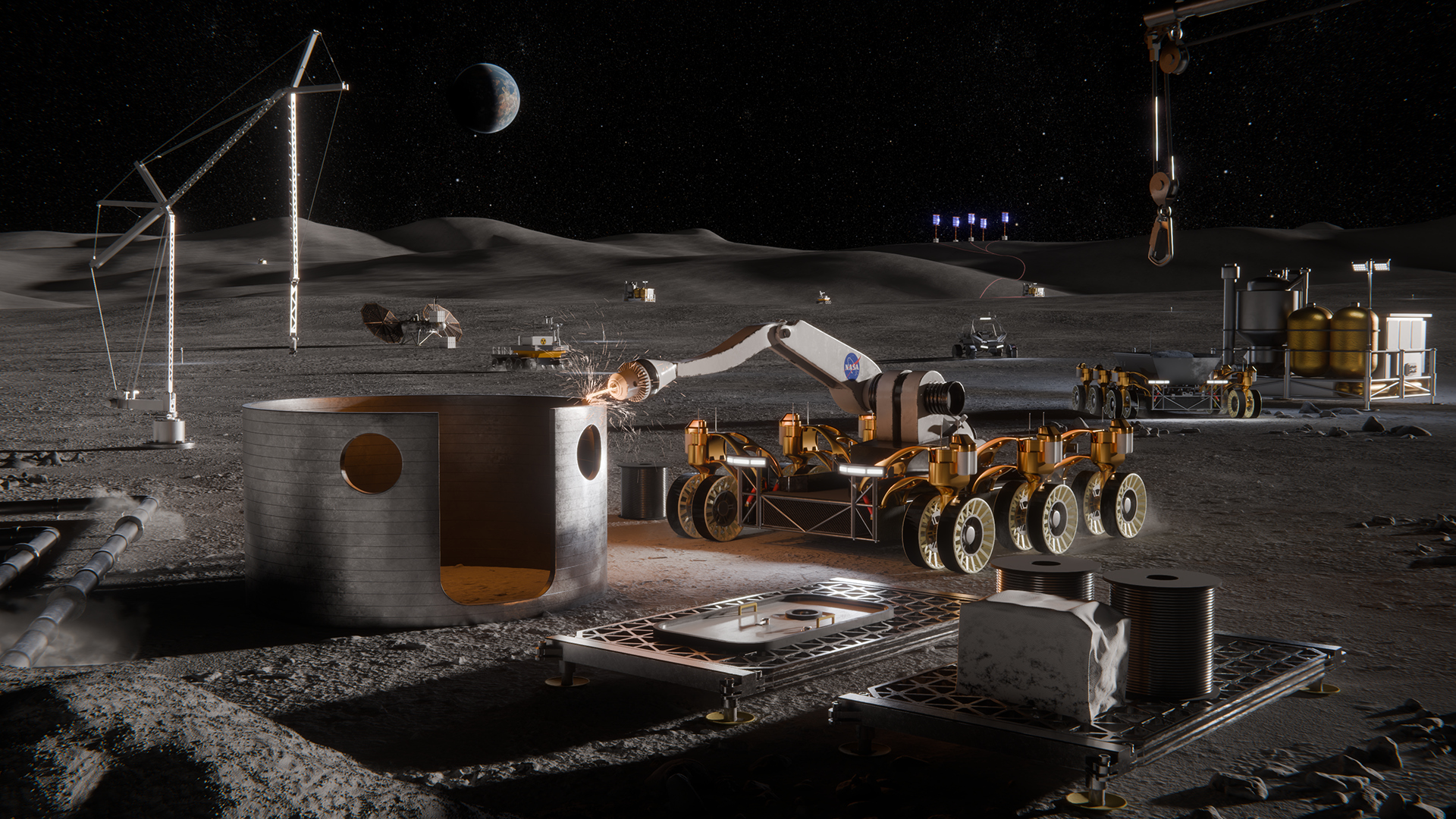
NASA has issued a call for proposals aimed at advancing lunar surface technology and infrastructure, with a focus on making a sustained human presence on the Moon a reality. The solicitation targets critical gaps in power generation, oxygen extraction, and the production of materials necessary for construction and operations on the lunar surface.
Greg Stover, director of NASA's Advanced Research and Technology Division, emphasized the importance of these technologies in achieving NASA's goal of long-term human exploration of the Moon. The NextSTEP-3 Broad Agency Announcement is designed to mature and demonstrate capabilities in five key areas: vertical solar array technology for consistent power generation, management, distribution, and energy storage; in-situ resource utilization to extract oxygen from lunar regolith; radioisotope Stirling generators for nuclear energy in challenging environments; advanced in-space manufacturing to reduce reliance on resupply missions from Earth; and the production of innovative nanomaterials for various lunar applications.
NASA aims to foster U.S.-led capabilities while fostering competition among private industry, academic institutions, and international partners. The outcomes of these contracts may inform future acquisition strategies at NASA. For more information on the NextSTEP-3 initiative, interested parties can visit the provided link.
Written by urgent.news from NASA Science's reporting — not their text. Machine-written — may contain errors; check the original before relying on it.