Modders have already found two ways to make DLSS 5 playable, and neither one is Nvidia's
When we benchmarked DLSS 5 across the entire RTX 50 series last week with no frame generation inflating the charts, the numbers were bleak enough on their own. An RTX 5090 fell from 192 FPS to 76 FPS at 4K. An RTX 5060 Ti dropped from 129 FPS to 46 FPS at 1440p. Read Entire Article
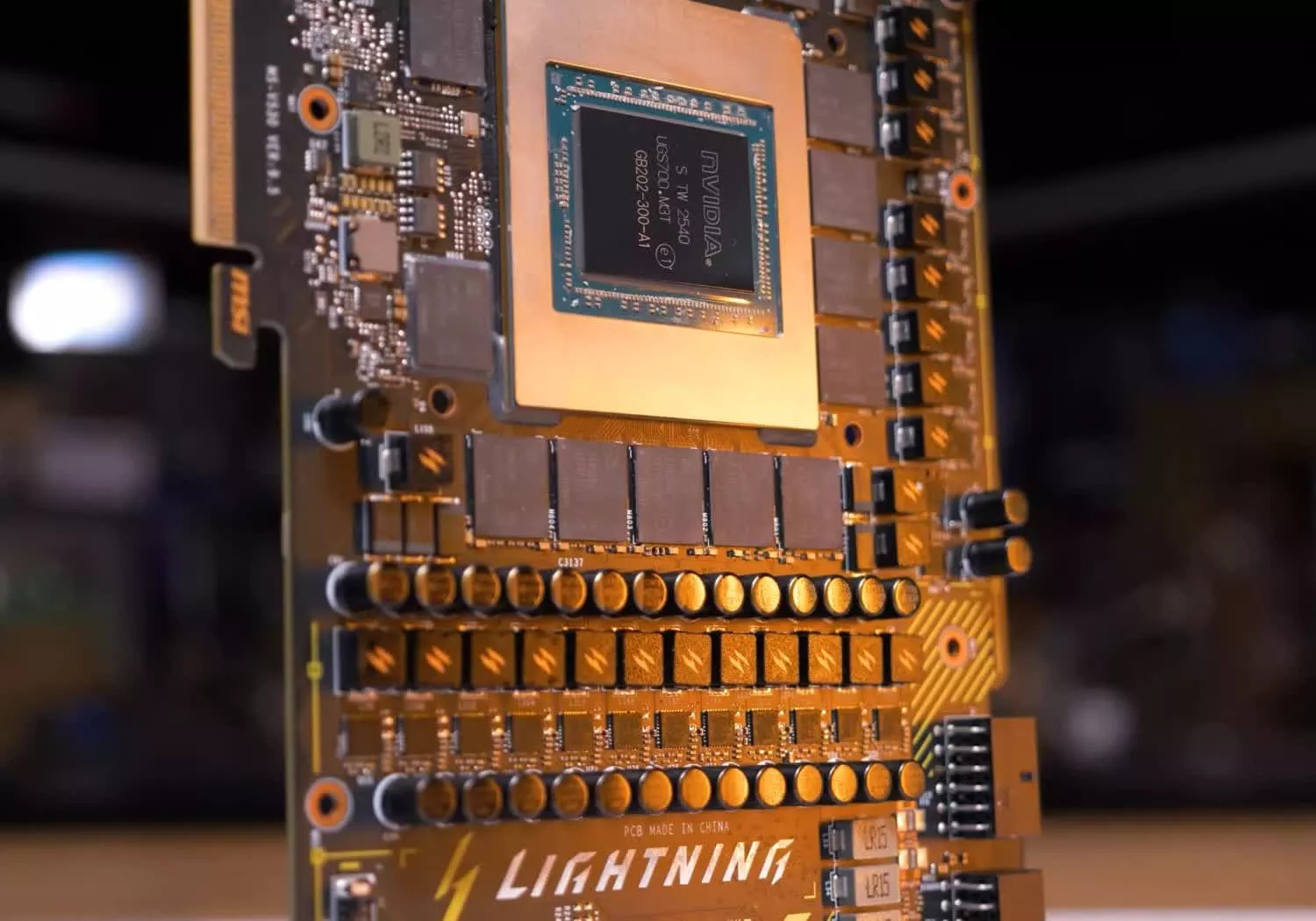
In the past two weeks, modders have discovered two methods to make DLSS 5 playable, neither of which is endorsed by Nvidia. The first approach, known as Neural Upstream, is a ReShade add-on that can be installed through the DLSS5-Autopilot tool. It changes the order of operations in DLSS 5, moving the neural rendering pass earlier in the pipeline and onto the smaller render resolution, rather than after upscaling on the final output frame.
This results in a significant reduction in the amount of image data processed by the neural network, leading to improved performance. Tests on games like Assassin's Creed Shadows, Stalker 2, Cyberpunk 2077, and GTA V Enhanced have shown that Neural Upstream can increase frame rates by up to 61% on RTX 4080 systems. However, there are limitations to this method.
Running the neural network on a smaller image yields lower quality results, and the effectiveness of this approach depends on the fidelity of the final output. The second method, called MGPU Bridge, involves rendering the game on one GPU and executing the neural rendering pass on a second GPU. This allows for better performance while maintaining image quality.
However, this approach requires two GPUs and two monitors, as the neural output is displayed by the card that produced it. While the performance gains are significant, the higher cost and additional hardware requirements make this a less practical solution for many users. Additionally, modders have worked on compatibility work, enabling DLSS 5 functionality on older GPU generations such as RTX 20 and 30 cards.
One notable project is DLSS Unlocked, which combines OptiScaler_DLSSNR and DLSS Enabler to support neural rendering and multi-frame generation across multiple GPU generations. However, users must exercise caution when using these modifications, as DLL injection can pose security risks and compatibility issues.
Written by urgent.news from TechSpot's reporting — not their text. Machine-written — may contain errors; check the original before relying on it.
This story
This is one outlet's version. Read the fullest account.
- Modder gets Nvidia's DLSS 5 working on AMD's RDNA 4 GPUs — RX 9070 XT only manages 30 FPS at 1080p right now, but 5070 Ti-level performance is the eventual goal tomshardware.com
- NVIDIA's RTX Spark showcase at IFA showed me a first-hand example of how DLSS is breaking out of the gaming sphere creativebloq.com
- AMD GPUs are climbing the sales charts as Radeon beats Nvidia on Amazon and in Germany techspot.com