Kenya calls for global unity in drug war as HONLEA convenes in Vienna
Kenya has called for stronger international cooperation to tackle the growing global drug problem, including the rising threat of synthetic drugs. Speaking at the 33rd Meeting of Heads of National Law Enforcement Agencies (HONLEA) in Vienna, Kenya’s Ambassador and Permanent Representative to the United Nations in Vienna, Edwin Afande, said combating narcotics remains a common […] The post Kenya…
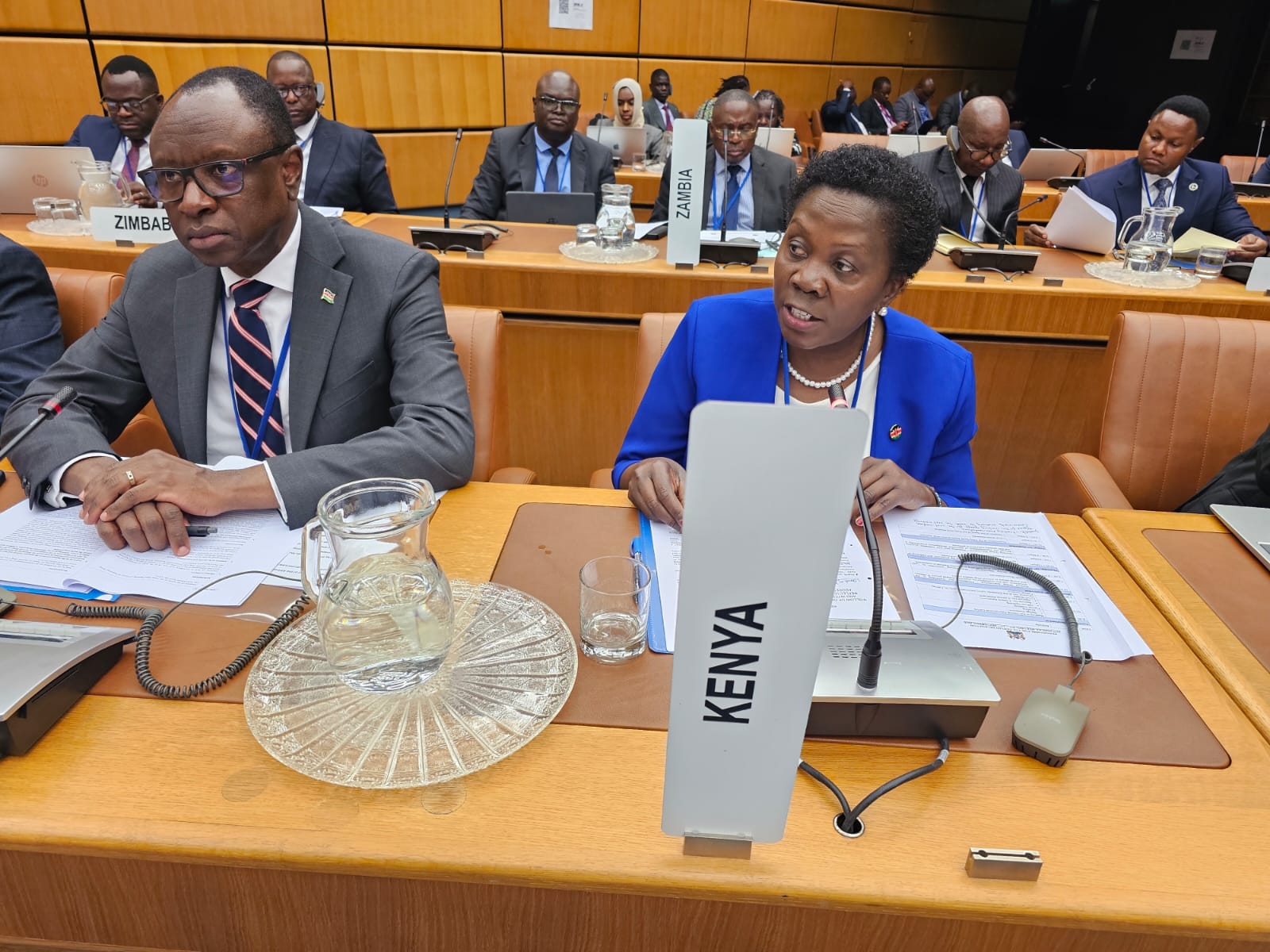
Kenya has urged international collaboration to address the escalating global drug crisis, particularly the rising menace of synthetic drugs. During the 33rd Meeting of Heads of National Law Enforcement Agencies (HONLEA) in Vienna, Kenya's Ambassador and Permanent Representative to the United Nations, Edwin Afande, emphasized that combating narcotics is a collective responsibility of all UN member states.
Concerned by disparities in access to controlled substances for medical use and the growing threat from synthetic drugs, Afande underscored the link between drug trafficking and corruption, illicit financial flows, and terrorism. He called for enhanced regional and global cooperation and requested the United Nations Office on Drugs and Crime (UNODC) to assist member states in preventing, detecting, and responding to substandard and falsified medical products, which he warned could severely impact public health and socio-economic development in Africa.
Kenya's national delegation, led by Principal Administrative Secretary Beverly Opwora, detailed Kenya's legal and policy framework for tackling drug abuse, highlighting the country's National Policy for the Prevention, Management, and Control of Alcohol, Drugs, and Substance Abuse. Opwora stressed the challenges posed by the diversification of drugs, misuse of precursor chemicals, and the transition from plant-based narcotics to synthetic substances, which have complicated drug control efforts.
She advocated for a shift in strategy, emphasizing the need for stronger capacity, better monitoring and communication tools, advanced forensic capabilities, and improved data collection. Both Afande and Opwora affirmed Kenya's commitment to a balanced approach that treats drug abuse as both a health and social issue, while reaffirming the country's resolve to tackle drug abuse through a combination of legal, public health, and comprehensive care measures.
They both stressed the importance of international support, including financing, technology transfer, and capacity building, tailored to African countries' needs. Opwora expressed optimism that the international community would achieve significant progress by the time Kenya reviews its commitments in 2029, ensuring that no individual affected by the global drug problem is overlooked.
Written by urgent.news from KBC's reporting — not their text. Machine-written — may contain errors; check the original before relying on it.
This story
This is one outlet's version. Read the fullest account.