Jeep, Ram, Hyundai, and Ford are turning to gas backup engines to save the electric truck
The approach could make electric trucks and larger SUVs more practical, though its success will depend on whether consumers see enough value in the added technology to pay more for it. Read Entire Article
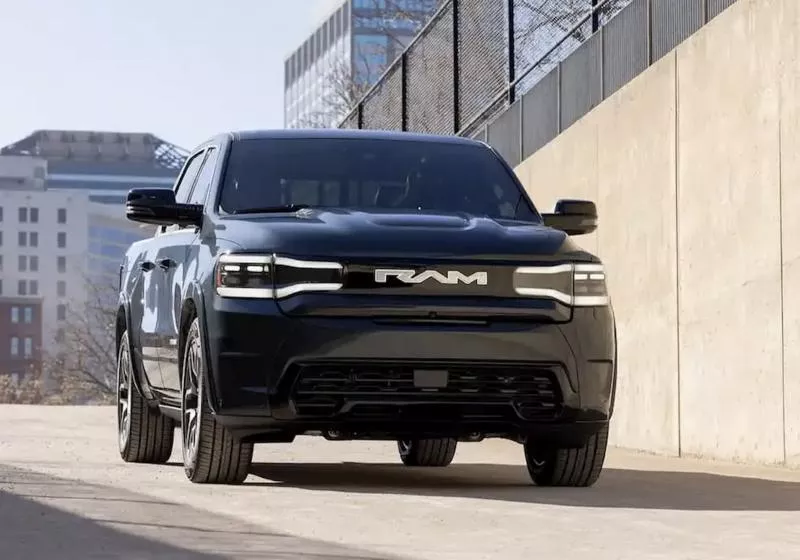
Automakers are introducing electric trucks with gas backup engines to tackle two key hurdles in EV adoption: charging concerns and reduced range during towing. These extended-range electric vehicles (EREVs) primarily run on battery power but switch to a gasoline engine when the battery is depleted, eliminating the need for drivers to wait for a charger.
Stellantis will debut the technology in the Jeep Grand Wagoneer early next year, followed by a Ram 1500 REV pickup. Hyundai plans to offer an extended-range version of its next Santa Fe in 2027, while Genesis will also introduce a similar model. Ford intends to reintroduce the F-150 Lightning as an EREV after discontinuing the battery-electric version.
These electric-first vehicles are equipped with a gasoline generator that charges the battery, allowing the vehicle to continue operating as long as gasoline is available. Stellantis claims its Ram 1500 REV model can cover up to 690 miles on a single charge, surpassing the range of many current EVs. Micky Bly, Stellantis' head of propulsion systems, believes the approach offers a practical alternative to address consumer concerns.
The timing of the EREV launch comes amid a shift in the auto industry's focus from fully electric vehicles to a more balanced approach. Automakers had initially invested heavily in battery-powered models based on anticipated rapid demand growth, but sales have underperformed, and the market has weakened since the removal of a federal EV incentive and a rollback of supportive regulations.
Range limitations and charging infrastructure concerns are significant barriers for potential buyers, particularly for larger vehicles like three-row SUVs and pickups. Some analysts argue that the extended gasoline capability could make the technology more appealing for truck owners, as it preserves towing and range capabilities unaffected by battery depletion.
However, automakers acknowledge that consumers must fully grasp the EREV technology to drive adoption. Plug-in hybrids have struggled to gain significant market share in North America, often being used for specific benefits like access to HOV lanes or infrequent use. With EREVs, automakers must effectively communicate the value proposition, as customers may be hesitant to pay extra for the added technology without a clear understanding of its benefits.
The success of EREVs in the US market remains uncertain and will depend on consumer acceptance and pricing.
Written by urgent.news from TechSpot's reporting — not their text. Machine-written — may contain errors; check the original before relying on it.