IMF report groups Moldova with EU applicants ahead of Ukraine
Ukraine's EU membership could lead to "another Wirtschaftswunder ('economic miracle') in Europe," provided the country delivers on reforms, said EU enlargement chief Marta Kos.
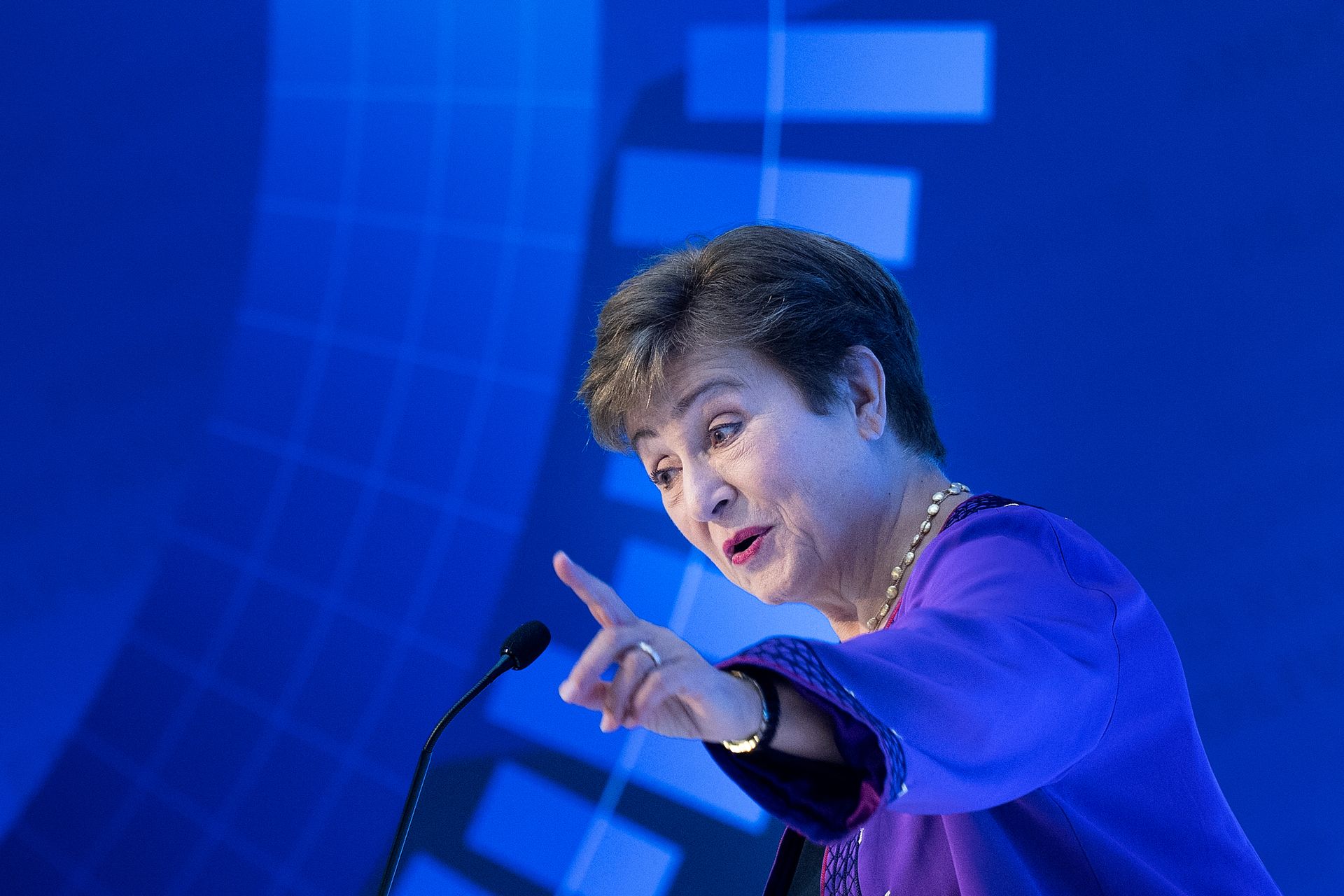
On September 8, the International Monetary Fund (IMF) released a report that separates Ukraine from Moldova, grouping the latter with Western Balkan countries like Montenegro and Albania, which are further ahead in their EU accession processes. Ukraine and Moldova had their membership applications placed together when they joined the six so-called enlargement clusters, representing reform to-do lists needed to align with EU standards.
However, both nations have opened only two clusters thus far, one focused on rule of law and the other on external relations. IMF Managing Director Kristalina Georgieva stated that Moldova's grouping with the Western Balkans is due to their "very similar features," excluding Ukraine from the group because of its "much larger size and ongoing military conflict."
The IMF report aims to assess the potential benefits of EU membership for candidate countries and the bloc as a whole. Georgieva acknowledged the significance of maintaining engagement with aspiring members, especially Ukraine. EU Enlargement Commissioner Marta Kos highlighted Moldova as the "best performer" in accession talks in July.
Meanwhile, Ukraine's parliament has struggled to advance the required reforms. The EU's Economy Commissioner, Valdis Dombrovskis, urged Ukraine to adhere to the agreed-upon timetable for reforms during a call with Prime Minister Serhii Koretskyi on September 7. Several Western Balkan countries are significantly ahead of Moldova and Ukraine in their EU accession processes.
Montenegro is already drafting an accession treaty to join the EU as the 28th member state, while Albania is working to close negotiation chapters. Serbia has opened more negotiating chapters than Ukraine and Moldova, though the gap is closing. North Macedonia, Bosnia and Herzegovina, and Kosovo lag behind. Despite this, the IMF report emphasizes that EU membership would yield substantial economic benefits for the countries joining, including a 35% increase in GDP per capita after ten years of membership, driven by participation in the EU single market, inflow of EU funds, and domestic reforms.
EU Enlargement Commissioner Kos expressed confidence that Ukraine could achieve similar economic prosperity upon EU accession. She also warned that Russia and China pose threats to integration, with the latter potentially infiltrating the EU's single market.
Written by urgent.news from Kyiv Independent's reporting — not their text. Machine-written — may contain errors; check the original before relying on it.