How—and Why—We Find Ourselves Trapped By Our Jobs
Leo Tolstoy should have been triumphant. By the 1880s, the Russian novelist had written the masterpieces War and Peace and Anna Karenina, achieving what he’d spent his life pursuing. But he was consumed with despair. On paper, Tolstoy embodied success

Leo Tolstoy, the renowned Russian novelist, penned masterpieces like War and Peace and Anna Karenina in the 1880s. He was a privileged aristocrat, a father, and a husband, but his success only fueled his despair as he questioned his identity and purpose. In 1882, he penned A Confession, expressing his bewilderment and uncertainty about who he was and if he still wanted to lead this life.
Fast forward a century and a world away, and a similar struggle played out for Peyton McDavitt, a young actress from a small town. McDavitt had once dreamed of acting since childhood, but as she grew older, the all-consuming nature of acting made her reconsider her path. After years of waiting tables, babysitting, tutoring, and driving for industry executives, she finally booked regular acting work in Hollywood.
However, the reality of being an actress left her questioning her happiness, as she found herself fantasizing about alternative careers and identities.
Both Tolstoy and McDavitt were trapped in rigid identities, which prevented them from exploring new possibilities. In Tolstoy's case, his success and privileged status made him question if he still wanted to live his life as a writer. For McDavitt, her identity as an actress consumed her life, leaving little room for other aspirations.
This phenomenon, known as "identity foreclosure," occurs when rigid self-definitions prevent individuals from evolving and trying new things. Once we firmly associate ourselves with a particular job or identity, we become hesitant to change, fearing the loss of our current selves.
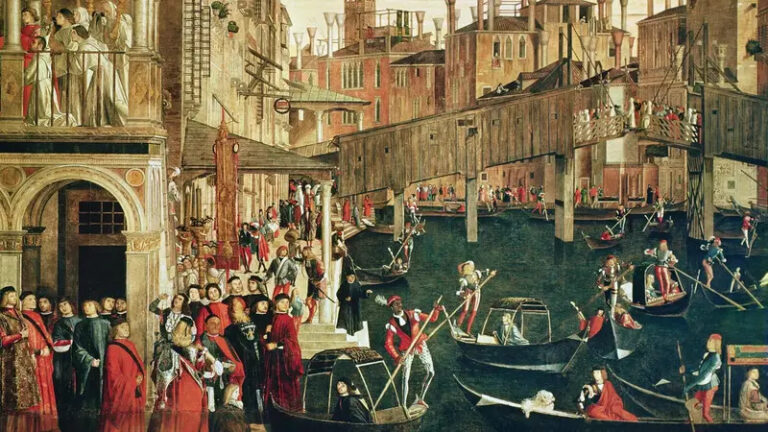
These rigid identities have roots in history. In medieval Europe, occupations like miller, smith, or baker were not just jobs but parts of one's identity, often incorporated into their names. Today, we continue to define ourselves through our careers, often without realizing how limiting this can be. For both Tolstoy and McDavitt, being trapped by their identities meant they were unable to explore other potential paths in life, despite their initial passion for their chosen professions.
Written by urgent.news from Literary Hub's reporting — not their text. Machine-written — may contain errors; check the original before relying on it.