Gold subdued as oil rises, investors await key US inflation data
BENGALURU: Gold inched lower on Tuesday as a rise in oil prices reignited inflation fears, while investors remained cautious ahead of crucial data this week that could offer clues on the Federal Reserve's interest-rate path.
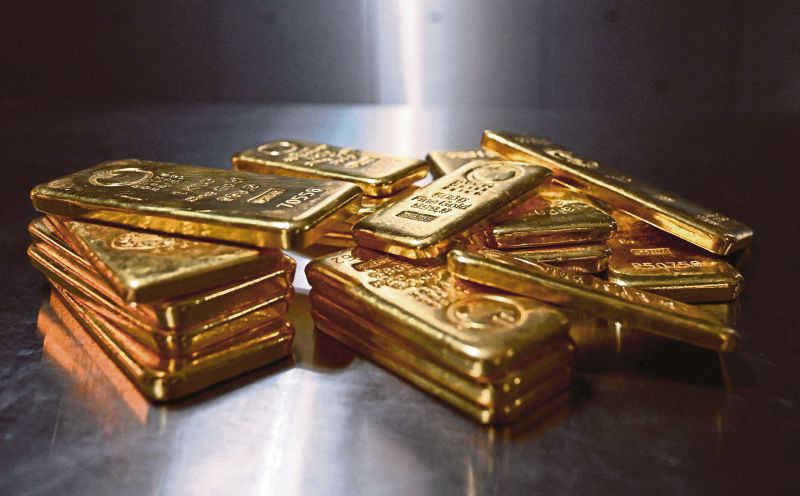
Gold prices dipped on Tuesday as oil prices spiked, fueling fears of inflation and prompting investors to brace for important US economic data. The precious metal fell 0.1% to $4,400.66 per ounce, after climbing to $4,442.70 earlier in the day. December gold futures also slipped 0.7% to $4,445.20.
Market analysts noted that gold's decline was influenced by higher oil prices, which raise inflation concerns and potentially trigger Federal Reserve interest-rate hikes. These hikes would typically weaken gold, which is generally considered an inflation hedge.
Geopolitical tensions also impacted oil prices, with Yemen's Houthi rebels launching attacks on energy facilities and cities in Saudi Arabia, an ally of the US. The attacks pushed oil prices to multi-week highs.
Earlier this week, US job growth accelerated in August, while the unemployment rate remained steady at 4.1%, indicating a potential improvement in the labor market. This positive labor market data fueled expectations of a 61% chance of an interest rate hike at the Federal Reserve's upcoming policy meeting, according to the CME FedWatch Tool.
Although gold is generally viewed as an inflation hedge, higher interest rates typically reduce the appeal of non-yielding assets like gold. The US dollar index weakened, making the metal more affordable for buyers in foreign markets.
Investors are now eagerly awaiting US producer price index data on Thursday and consumer price index data on Friday for additional insights into the Federal Reserve's monetary policy stance. Given the uncertain market conditions and the Federal Reserve's lack of confidence, the precious metal may face challenges in finding clear direction from any mixed economic reports.
Written by urgent.news from New Straits Times's reporting — not their text. Machine-written — may contain errors; check the original before relying on it.