FBI working with private sector and US allies to respond to Iranian cyber attacks
The FBI is working with the private sector and international partners to combat hacking attempts by Iran-linked cyber criminals who are attacking US digital infrastructure . Jason Bilonski, deputy assistant director of the FBI 's cyber operations branch, spoke on recent hacks affecting water systems throughout the US during the Billington Cyber Security Summit in Washington on Tuesday. "We don't…
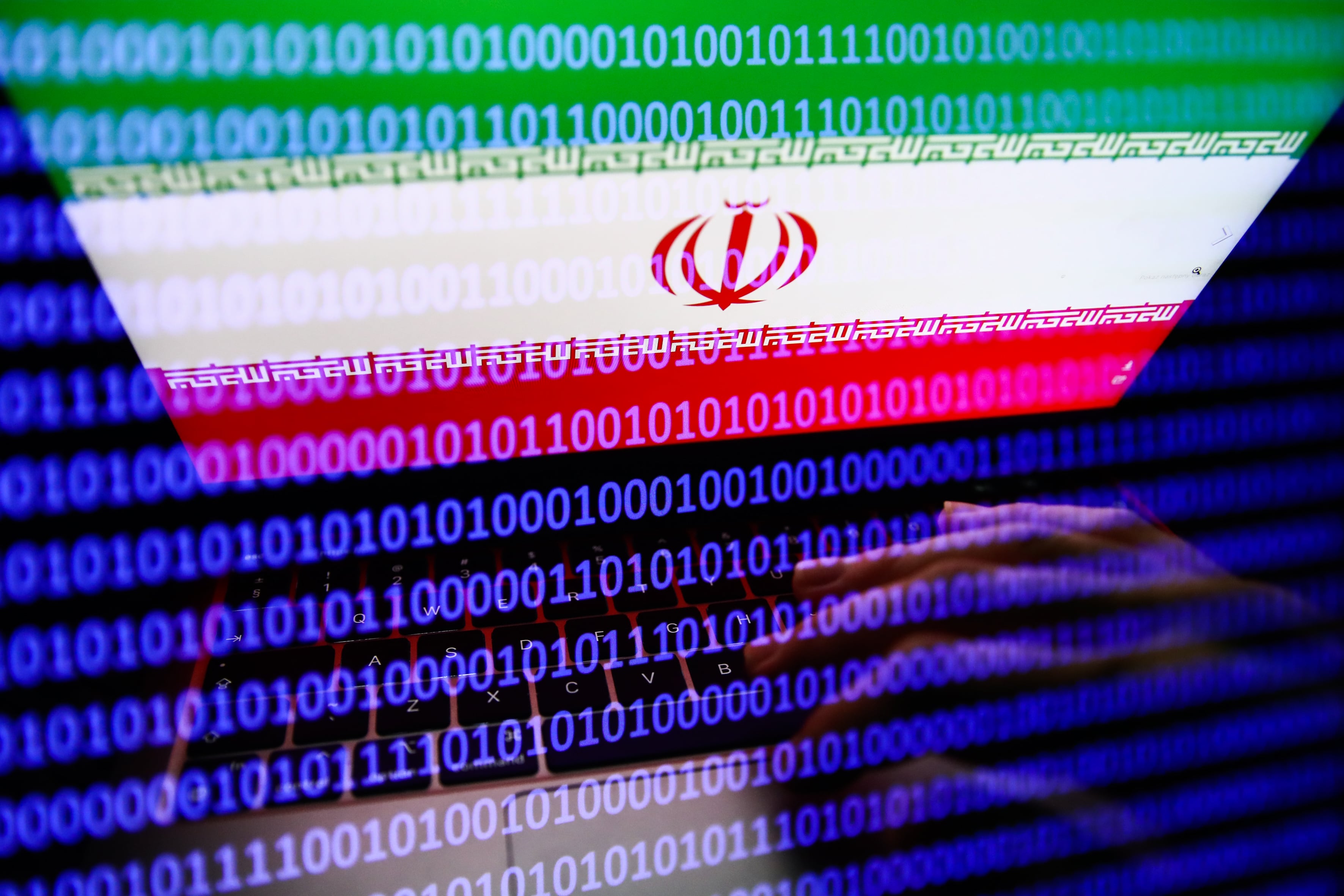
The FBI is collaborating with private industry and US allies to counter cyber assaults attributed to Iranian hackers targeting US digital infrastructure. Jason Bilonski, deputy assistant director of the FBI's cyber operations branch, revealed recent hacking incidents affecting water systems across the United States at the Billington Cyber Security Summit in Washington.
Bilonski emphasized that the FBI no longer operates in isolation, instead sharing intelligence and leads with international partners and the private sector. In recent years, the use of artificial intelligence by cyber criminals to optimize attacks has emerged as a significant concern worldwide, Bilonski stated. Under the Trump administration, the policy is not solely focused on preventing cyber attacks but also aims to deter adversaries through intimidation, as outlined in an executive order enabling private-sector computer security companies to respond to hackers.
David Liebenberg, leader of state-sponsored research threats at Cisco Talos, a Cisco division, noted that AI lowers the entry barrier for cyber criminals, potentially intensifying the frequency and impact of attacks. While Iranian attacks have garnered attention due to the ongoing war between Iran and the US, Russia remains a formidable player in the cyber threat landscape.
Ukraine's deputy director of cyber security, Ivan Kalabashkin, highlighted the significance of President Trump's emphasis on stopping cyber threats, which resonates with Ukraine's ongoing struggle against Russian cyber attacks. He stressed the importance of understanding the motives behind attacks to prevent panic and confusion.
To mitigate cyber risks, Bilonski recommended implementing multi-factor authentication, exercising caution with suspicious emails, and maintaining offline status for critical devices. He underscored the ongoing nature of cyber threats and the necessity of adopting robust security measures to safeguard sensitive information and infrastructure.
Since the February US-Israel strike on Iran, technology analysts have reported a surge in Iran-backed cyber attacks against the US. In March, Handala, an Iran-linked group, allegedly complied with a threat to compromise the FBI by infiltrating Director Kash Patel's personal email and cloud services. Subsequently, Handala claimed responsibility for a cyber assault on Stryker, a Michigan-based medical technology company employing over 50,000 individuals worldwide.
One of Handala's most alarming breaches occurred in June, when the group breached California Water Service's systems, releasing five gigabytes of data as proof. However, Handala later claimed that it had not caused a water supply disruption, citing a lack of technical expertise among its cybersecurity personnel.
Written by urgent.news from The National Business's reporting — not their text. Machine-written — may contain errors; check the original before relying on it.