DeepSeek says it is seeking ~150 senior engineers in an "unprecedented" hiring spree to overhaul its backend systems, strained by high user demand and AI agents (Minxiao Chang/South China Morning Post)
The company cited rapid surge in user demand for AI and increase in complexity of its computing systems
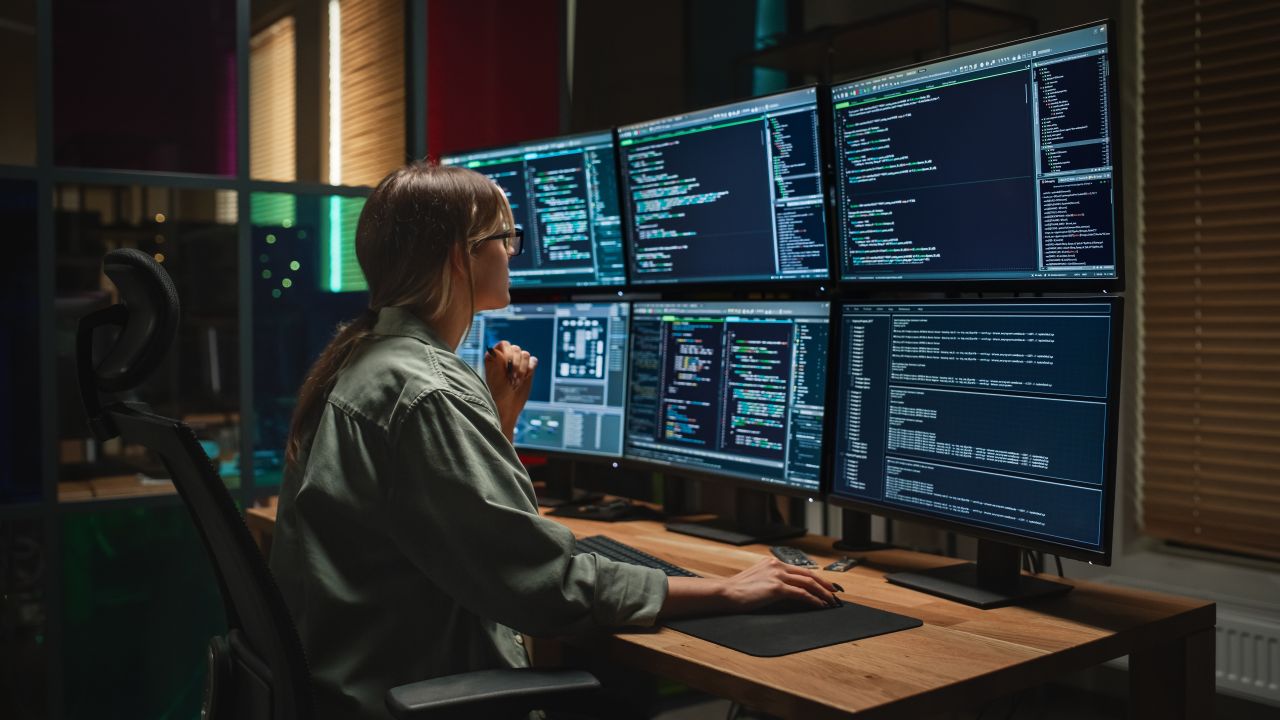
Chinese AI start-up DeepSeek is launching an "unprecedented" hiring campaign to revamp its backend systems, overwhelmed by soaring user demand and compute-intensive AI agents. The Hangzhou-based company is looking to hire about 150 senior backend engineers, according to Cui Tianyi, a former quantitative trading expert who leads the Harness team.
The company's expanding user base, data volumes, training workloads, and active users have strained its current backend infrastructure. DeepSeek's infrastructure is reaching its limits and needs extensive upgrades, maintenance, and rewriting to support new technical directions. The company's shift from a research disrupter to a high-volume platform necessitates a stronger foundation for reliable, enterprise-grade services.
Meanwhile, DeepSeek continues to expand aggressively, recently announcing plans to double the size of each department and open 33 new roles in research, engineering, and product management. The firm also raised its API access prices amid intense pricing competition among domestic AI rivals. Additionally, DeepSeek is expected to complete a funding round, valuing the firm at approximately 500 billion yuan (US$74.5 billion) before investment, prior to a potential listing on Shanghai's Star Market.
The company's operational pressures are high, as autonomous AI agents require significant capital expenditure on servers, networking, and software. To tackle these challenges, the 150 new hires will focus on two main areas: server-side development for large-model research platforms, agent frameworks, internal R&D infrastructure, public API maintenance, online services, and data engineering, and elastic computing infrastructure, including agent platform maintenance and lower-level system optimization, to maintain fluid dynamic compute workloads.
Written by urgent.news from SCMP Tech's reporting — not their text. Machine-written — may contain errors; check the original before relying on it.
This story
This is one outlet's version. Read the fullest account.