An AI-developed drug appeared to make patients biologically younger in a clinical trial
The experimental drug, rentosertib, comes from Insilico Medicine and was developed to treat idiopathic pulmonary fibrosis, a disease that progressively scars the lungs. Read Entire Article
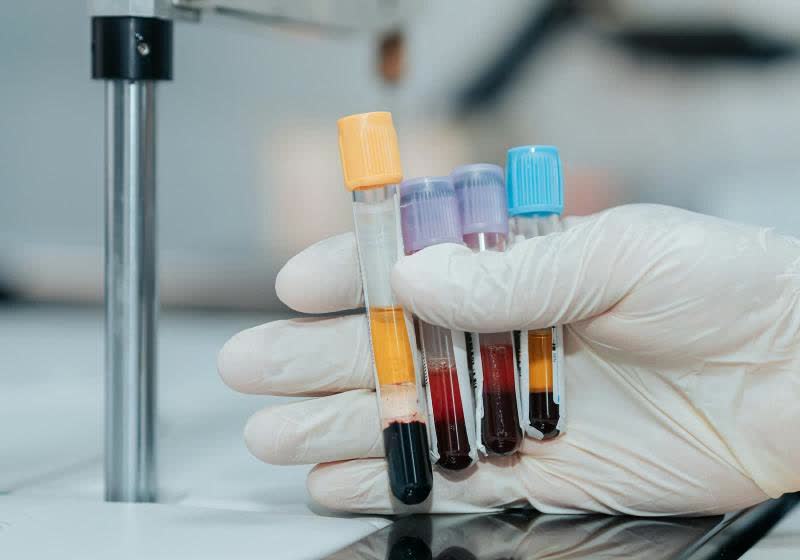
An AI-generated drug called rentosertib has shown promising results in a clinical trial, suggesting it may help patients appear biologically younger. The experimental drug, developed by Insilico Medicine to treat idiopathic pulmonary fibrosis, works by inhibiting a protein called TNIK. A study published in Nature Biotechnology examined data from a phase 2a trial involving 71 patients in China, with 42 participants whose blood samples were monitored for 12 weeks.
Using six aging clocks, researchers found that all six detected shifts toward younger predicted ages among those who received rentosertib, while placebo recipients showed little change or slight increases. At week four, patients taking 60mg daily showed reductions of 2.7 to 3.5 years on four chronological-age clocks, with the 30mg dose produced the most consistent signal overall.
However, the researchers acknowledge that these changes in aging markers do not necessarily mean patients will live to 150. The study also noted that establishing whether the drug benefits people without idiopathic pulmonary fibrosis will require further research. Insilico has already announced a phase 3 trial targeting lung disease, with 320 participants expected to enroll and measure changes in lung function over 52 weeks.
The findings come amid ongoing optimism about AI-based longevity, with futurist Peter Diamandis and entrepreneur Bryan Johnson among those closely following the progress of rentosertib.
Written by urgent.news from TechSpot's reporting — not their text. Machine-written — may contain errors; check the original before relying on it.