AI investment divergence posing challenges for least developed nations
While investments in AI and future tech remain a top priority for most nations, concentration of funding in the sector is creating challenges for poorly resourced countries. With the digital divide widening rapidly, investors need to move in unison in channelling their investment flows better, ministers and policymakers told the AIM Congress in Dubai on Tuesday. This applies in terms of sectors…
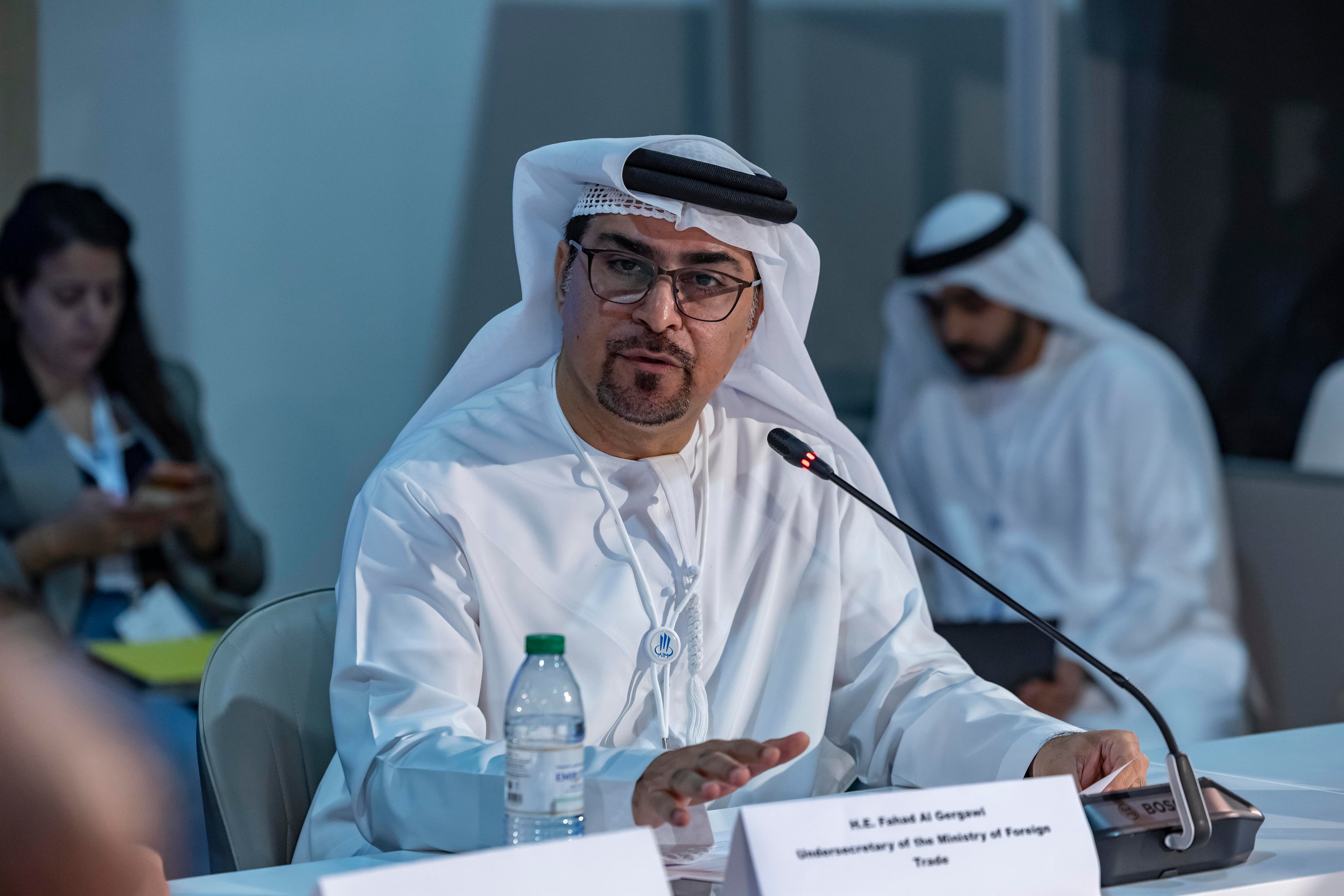
Investments in artificial intelligence (AI) and emerging technologies have become a top priority for nations worldwide, but the concentration of funding in these sectors is creating difficulties for less developed countries. At the AIM Congress in Dubai, ministers and policymakers stressed the need for better distribution of investment flows, both by sector and geography, particularly in the least developed parts of the world.
James X Zhan, executive chairman of the World Investment Conference, noted that over 40% of global investment is going to a select few sectors like AI and digital economy, while traditional manufacturing is declining.
Even within the advanced technology sector, investments in developing countries represent only a small fraction of what is being directed towards developed economies, according to Zhang, a former UN Trade and Development (UNCTAD) chief adviser. In 2026, global investment in AI and advanced technologies is expected to surpass $1 trillion, driven largely by US tech giants and a surge in venture capital deal activity, reaching over $430 billion in the first half of the year alone.
However, the World Investment Report warns that this growing concentration of investments in fewer countries creates a significant global developmental divide with immediate consequences for smaller, less-resourced nations. Around 75% of FDI flows to developing economies are concentrated in just 10 countries, leaving most developing countries – and nearly all of the least developed economies – struggling to attract capital.
The UAE, aiming to build its future economy on manufacturing and AI, strongly opposes "digital colonisation." Fahad Al Gergawi, undersecretary of UAE Ministry of Foreign Trade, emphasized the importance of bridging the digital divide and ensuring that the benefits of AI are distributed evenly among all nations, not just capital-rich ones. Gergawi highlighted the UAE's efforts to invest domestically and globally to democratise AI and advance technology for countries with fewer resources.
Egypt's Minister of Planning and Economic Development, Dr Ahmed Rostom, stressed the urgency of addressing the investment divergence issue, especially given the current uncertain global economic conditions and fluctuating interest rates. He called for policy incentives, private sector participation, and regional and global collaboration to tackle these challenges.
Rostom's ministry aims to attract two-thirds of its investments from the private sector while ensuring the quality of foreign direct investment, providing incentives to attract such investments.
Written by urgent.news from The National UAE's reporting — not their text. Machine-written — may contain errors; check the original before relying on it.
This story
This is one outlet's version. Read the fullest account.
- AI investment divergence posing challenges for least developed nations thenationalnews.com