Who, Me? Techie sent to fix Nobel Prize winner’s PC almost set it on fire
Even the greatest scientific minds are at risk of rogue 9-pin connectors
One Monday morning, The Register sought the tale of a reader who would be known as "Marc". This individual graduated in the early 1990s and quickly became the first employee to support PCs for Very Important Professors (VIPs) at their alma mater's graduate school. Among these VIPs were those who would later be awarded Nobel Prizes, though none had made such a monumental discovery at the time.
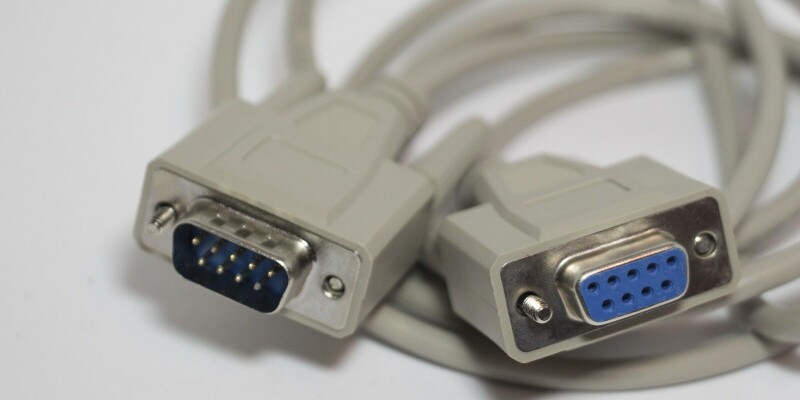
A key component of these VIPs' work was an IBM PC equipped with an Intel 286 processor. Marc reminisced about the nine-pin RS-232 connector, noting that early on, not all connectors used the same pin for the same purpose. He emphasized the importance of understanding the power pin on IBM's proprietary mouse connector.
One of the VIPs was diligently working on Very Important Research, but their mouse was malfunctioning. Marc took it upon himself to fix the issue by bringing a replacement mouse, plugging it into the first available port, and rebooting the PC. Unfortunately, the results were not what Marc expected – smoke started to billow out of the device, accompanied by a foul smell.
Marc immediately acted to extinguish the electrical fire, unplugging the power cord from the wall socket with a sense of determination reminiscent of a Baguazhang assassin. He took a moment to breathe deeply, assessing the situation and realizing his mistake: he had connected the new mouse to the wrong nine-pin port, which was physically identical to the correct one.
After allowing the components to settle back into their proper places, Marc powered the PC back on and was relieved to find no smoke or damage. He tested the mouse to confirm its functionality and ensured that the PC was still in good working order. He then opened the VIP's office door, hoping to dissipate the lingering odor of his error.
Marc later discovered that the Nobel Prize winner had indeed gone on to receive the prestigious award. While Marc's story might not be remembered, it serves as a reminder of the potential consequences of overlooking such small details in a world where technology plays a critical role.
Written by urgent.news from The Register Science's reporting — not their text. Machine-written — may contain errors; check the original before relying on it.