Who benefits from the burning?
Authorities in both Indonesia and Malaysia must hold accountable not only those who light the fires, but also those who profit from the land on which they burn.
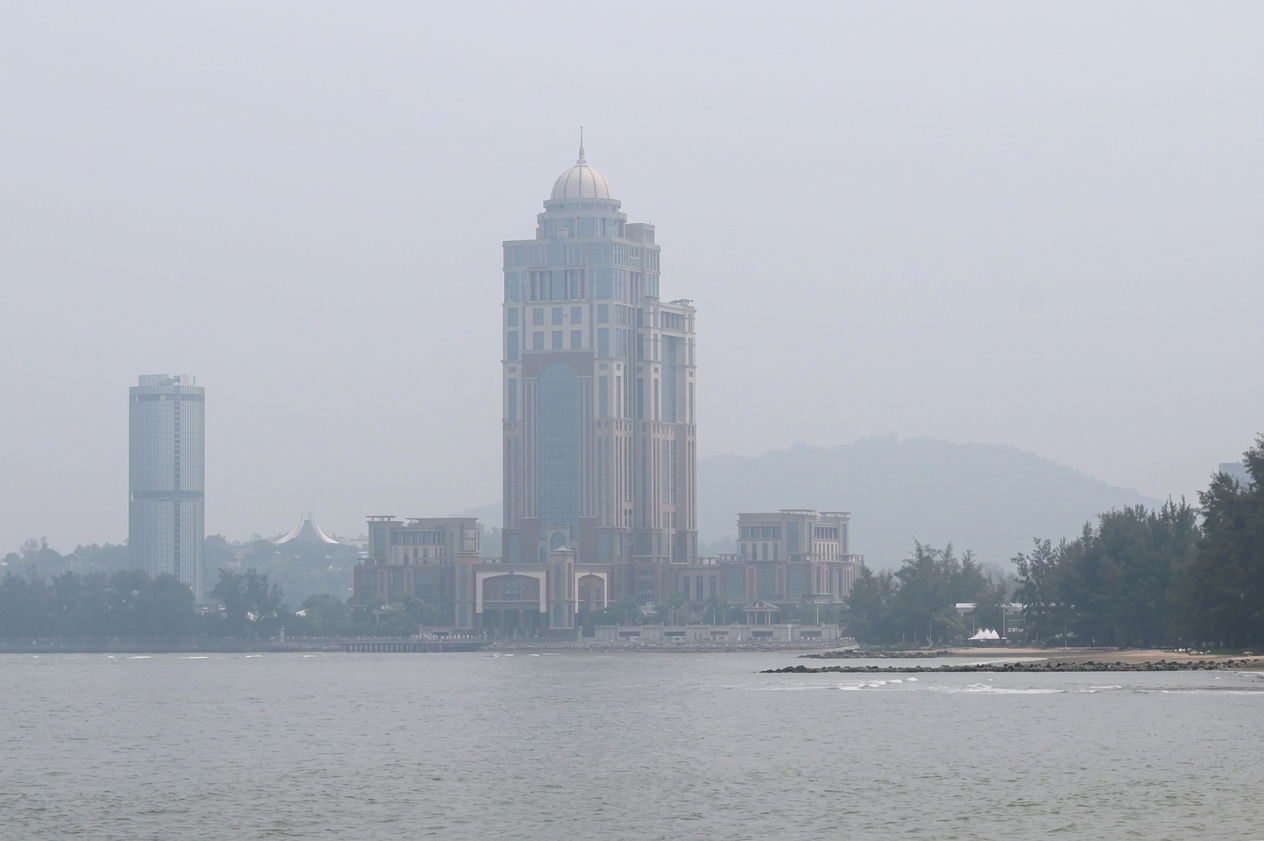
From the moment Nurul Anna Mausar awoke in Sabah, the haze was an unwelcome presence. The air quality index in Kota Kinabalu registered an "unhealthy" level of 153, a figure that had persisted from the previous Sunday. This transboundary smoke, originating from forest and peatland fires in Kalimantan, was attributed to the environment department.
For many Sabahans, the haze is more than a mere statistic on an air quality app; it is the grey sky that greets them each morning, disrupting outdoor activities, causing worry for children playing outside, and affecting workers who cannot simply stay indoors. The air they breathe is polluted, despite their efforts to avoid contributing to the problem.
The haze crisis in Sabah is not merely an environmental issue; it is a public health concern, a governance issue, and a question of accountability. While the blame-game often focuses on Indonesia, it is essential to recognize that Kalimantan's communities are also experiencing the same health impacts. Borneo's forests and peatlands transcend political borders, and their vulnerability should not be overlooked.
However, this shared vulnerability does not absolve Malaysia of responsibility. Instead, it should prompt a more uncomfortable inquiry: who is profiting from these fires?
Indonesia has identified 19 companies with concession areas affected by fires covering over 11,000 hectares. Authorities are investigating to determine whether the fires were accidental or intentional, emphasizing that strict liability applies when a fire occurs within a concession area. Nevertheless, the company names remain undisclosed.
This lack of transparency should spur Asean to adopt a more robust approach. When corporate-controlled land is burning deliberately, accountability should extend beyond the individual on the ground to include those who stand to gain from the land. The person holding the match may initiate the fire, but the individuals who profit from the land should also be questioned.
Malaysia has called on Indonesia to disclose concession maps, fire investigation findings, and ownership information to facilitate investigations in Malaysia. This cross-border cooperation is crucial for strengthening Asean's response to the haze pollution issue. While Asean has had the agreement on transboundary haze pollution for over two decades, the issue recurs annually, leading to similar responses.
A more proactive approach is necessary, involving stronger mechanisms for sharing satellite data, identifying concession ownership, investigating corporate actors, and enforcing environmental responsibilities across borders.
Malaysia must also reflect internally. Sabah authorities have conducted numerous open-burning prevention patrols, with no major fires reported in several districts. However, the same monitoring data reveals 182 active hotspots in Kalimantan and 370 in Sumatra, with none detected in Sabah. This discrepancy highlights that Sabahans should not bear the consequences of fires they did not initiate.
Ultimately, the haze issue is not just environmental; it is a public health and governance problem that transcends borders. Sabahans, especially those in repeatedly affected areas, should not have to endure this burden while their government hesitates to hold corporations accountable.
Borneo's ecosystems and communities are interconnected, with events in Kalimantan potentially affecting Sabah and Sarawak within days. It is time for Malaysia's policies to move beyond treating Borneo as an afterthought. The shared air and ecosystems of Borneo necessitate a unified response from its governments, laws, and accountability mechanisms.
The haze will eventually abate, and the skies will clear, but if the response remains reactive, Sabah and its neighbors will continually face the cycle of fires and unhealthy air quality. The question is not whether Borneo will experience haze again; it is whether, by then, our governments will have the courage to look beyond borders and hold accountable not only those who ignite the fires but also those who profit from the land they burn. Borneo's fate is intertwined, and so should be the policies and accountability of its governments.
Written by urgent.news from Free Malaysia Today's reporting — not their text. Machine-written — may contain errors; check the original before relying on it.
Also reported by 1 other outlet
- Who benefits from the burning? freemalaysiatoday.com