Trump’s tariffs put a new price on America’s hockey boom
AgenciesKelly Rand’s teenage twin boys playing hockey in St. Paul, Minnesota, are going through growth spurts that force the family to buy new equipment what seems like all the tim...
The recent 50 percent tariffs imposed by President Donald Trump’s administration against Canadian goods, including hockey equipment, have put a fresh price on America’s hockey boom. Teenage hockey players in St. Paul, Minnesota, like Kelly Rand’s, are finding themselves forced to purchase new gear frequently due to the escalating costs. Helmets and chest protectors, once priced around $400 and $465 respectively, have skyrocketed to $1,000 and $900.
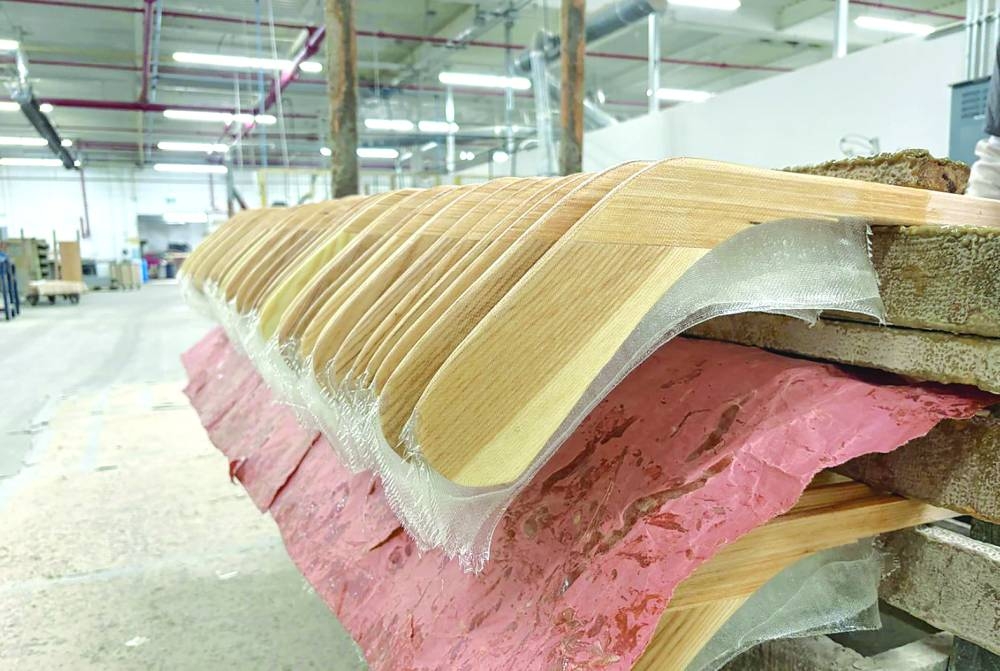
Hockey sticks, a critical piece of equipment, have increased from an average of $200 to $400, with high-end versions reaching up to $400. The full setup of custom goalie gear, which cost $3,300 a couple of years ago, now exceeds that amount.
Sports & Fitness Industry Association CEO Todd Smith emphasized the gravity of the situation, stating that even if manufacturers have shifted production from Canada to other countries, the tariffs still pose a significant challenge. He noted that inflation and tariffs on other nations are contributing factors to the price hikes in hockey equipment.
The Sports & Fitness Industry Association's manufacturers sales report revealed a 45.4% increase in spending on hockey equipment from 2020-25, growing from $228.9 million to $332.9 million. Canada, which previously made up around 8.5 percent of imports, has since dropped to fourth place, behind China, Vietnam, and Thailand.
While Chris Douglas, a University of Michigan-Flint economics professor, doubts that stick prices will increase by exactly 50 percent, he cautions that demand may push prices up by around $50. This could be a decisive factor for families deciding whether to enroll their children in hockey.
The tariffs may have initially had a more significant impact on businesses that received bailouts from major companies like Bauer and CCM. However, as these companies began to pass on the costs, the impact could be felt across the industry. Canadian Prime Minister Mark Carney suggested that trade talks could resume if Washington became serious about negotiations.
Douglas emphasized that expectations for the current tariff regime are uncertain, as tariffs appear to change frequently. If the tariffs are seen as permanent or long-term, manufacturers and retailers may quickly pass on the increased costs to consumers. Despite the challenges, Roustan Hockey, the last major hockey stick factory in Canada, remains committed to manufacturing in Canada.
Written by urgent.news from Qatar Tribune Business's reporting — not their text. Machine-written — may contain errors; check the original before relying on it.