Train school health teams to detect child abuse, urge experts
One says regular visits by nurses and trained community volunteers could help build trust, while stronger support services are needed to handle disclosures.
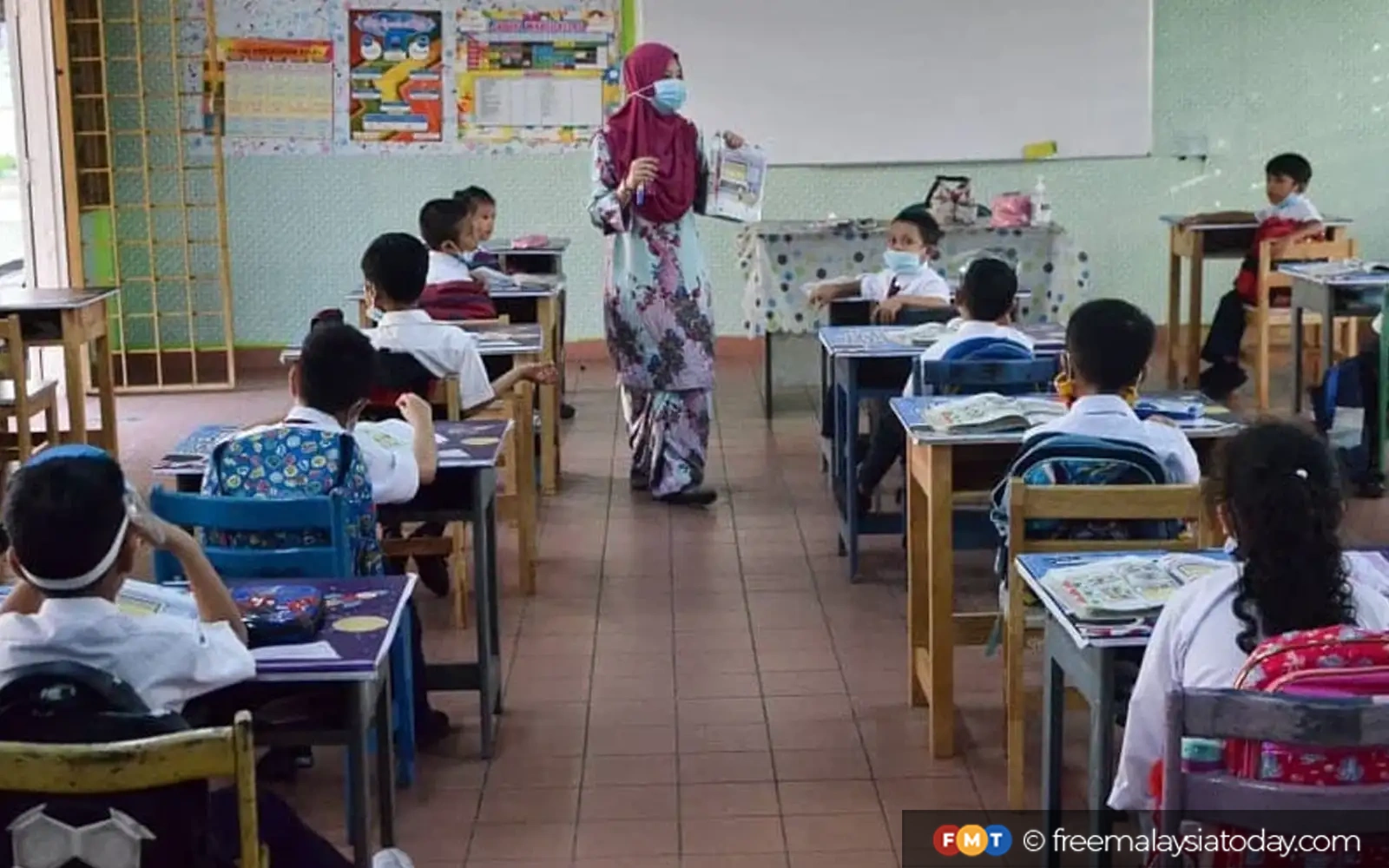
Recently, two cases of long-term sexual abuse were identified through routine school health checks in Johor. Child rights advocates argue that expanding school health checks to detect child abuse requires proper training for health teams to handle disclosures effectively. Dr. Amar-Singh HSS, a consultant paediatrician and activist, notes that school health teams can play a more significant role in identifying abuse, but cautions that the current system is designed for health surveillance rather than formal screening.
Routine school health visits typically focus on physical health assessments, immunisation, and general wellbeing, only following up when behavioural indicators suggest abuse. To better identify cases of sexual abuse, Dr. HSS suggests using screening tools or student self-report questionnaires during routine health checks. School health teams must also be trained to respond sensitively and professionally to disclosures, ensuring they are trauma-informed, maintain confidentiality, listen to children's concerns, and avoid judgement or cultural bias.
Trust is crucial; adults need to believe children when they disclose sexual abuse rather than dismissing it.
Hartini Zainudin, founder of Yayasan Chow Kit and a child advocate, agrees that school health checks can provide children with an opportunity to speak privately to an independent professional. Such an environment reduces the feeling of accusation or setup, making it more likely for children to disclose abuse. Hartini suggests that similar private disclosure opportunities could be created through mobile or community health posts, especially in remote areas like plantations and kampungs.
Regular visits by familiar nurses could help build trust, as disclosure often doesn't occur during the first encounter. Other options include child helplines, safe spaces run by NGOs, and trained community volunteers who have regular contact with children. The key elements for successful disclosure are privacy, routine, and an adult who isn't part of the child's home dynamics.
Written by urgent.news from Free Malaysia Today's reporting — not their text. Machine-written — may contain errors; check the original before relying on it.
This story
This is one outlet's version. Read the fullest account.
- Train school health teams to detect child abuse, urge experts freemalaysiatoday.com