The world must act on Sudan’s chemical weapons
A dossier appearing in major western media outlets on Saturday provides ample evidence that the Sudanese Armed Forces used chemical weapons in that country’s ongoing civil war. This and other revelations, including that the SAF maintained a stockpile of these weapons and then sought to conceal it, should leave the international community with no further excuses for inaction. The contents of the…
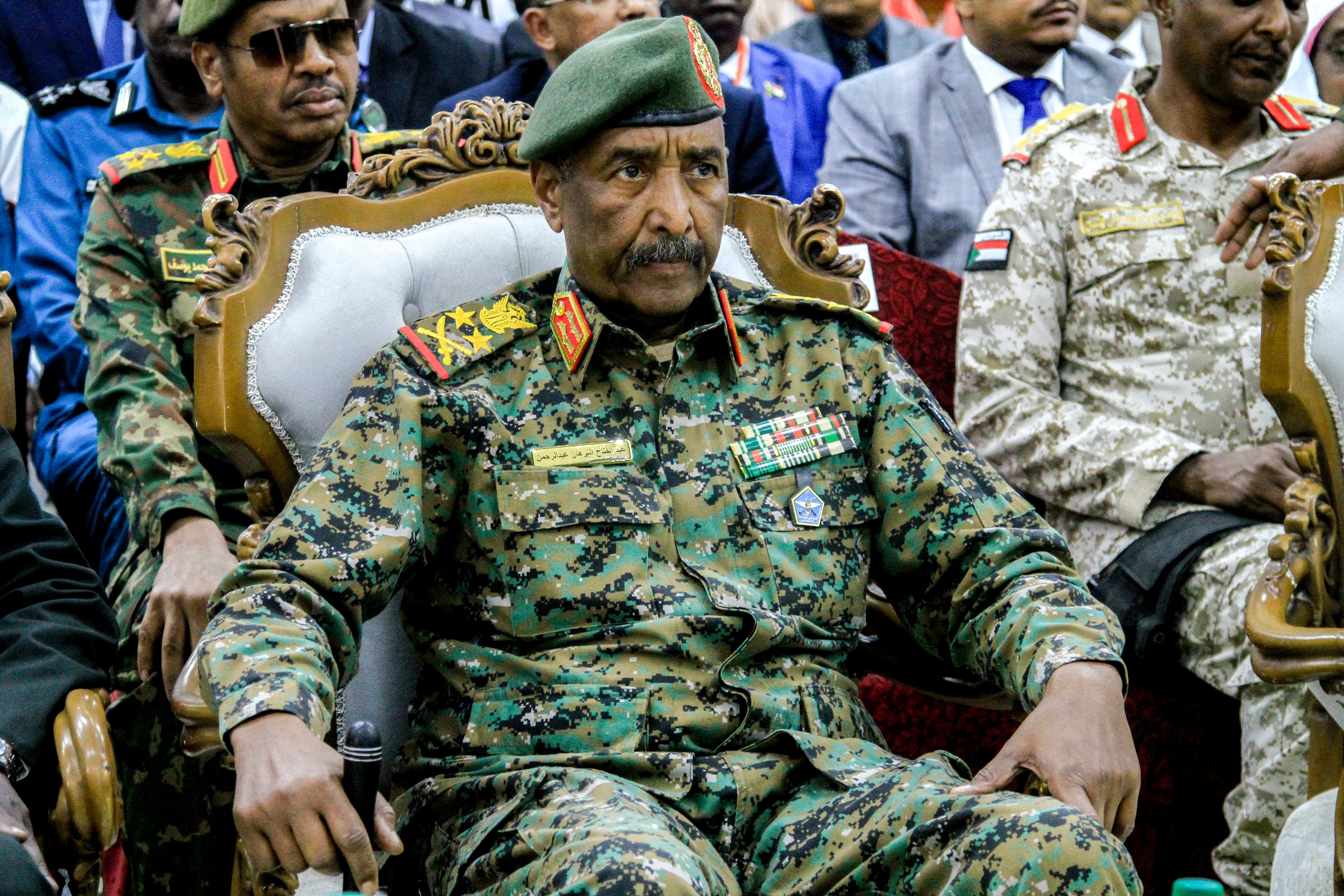
A recent dossier circulating in major western media outlets on Saturday presents substantial proof that the Sudanese Armed Forces (SAF) employed chemical weapons in the country's ongoing civil war. This revelation, along with others indicating the SAF's possession of such weapons and attempts to conceal the evidence, should compel the international community to take immediate action.
The dossier, comprising photographs, videos, messages, and blueprints, is undeniably damning. It describes desert bomb tests that emitted yellow vapors and a conveyor-style rack installed on a transport aircraft to drop bombs via the cargo door. Several key points stand out from the dossier. Firstly, some of the chlorine employed to create the bombs allegedly originated from a civilian water-treatment plant in the capital, Khartoum.
Although chlorine is not a controlled substance under the Chemical Weapons Convention, its use as a weapon to cause death or harm is prohibited by the international arms control treaty and constitutes a war crime. Secondly, the SAF's architect was included in a committee convened by Khartoum authorities to investigate US allegations regarding the use of chemical weapons.
However, the committee "found no evidence" of wrongdoing. The most incriminating evidence is the inclusion of Gen Abdel Fattah Al Burhan, the head of the SAF, in knowledge of the program and subsequent efforts to cover up its traces following US sanctions imposed in 2024. The dossier's findings place the SAF's leadership under intense scrutiny.
Both the SAF and its main adversary, the Rapid Support Forces (RSF), have been accused of numerous atrocities. Since the conflict began in April 2023, it has resulted in tens of thousands of deaths, displaced approximately 14 million people, and left about 20 million individuals (40-45% of the country's population) facing severe hunger.
Nonetheless, the dossier's findings cast even greater doubt on the SAF's leadership. A recent UN report revealed that the SAF utilized foreign-supplied drones in operations that harmed civilians. Essentially, the very entity that often accuses the RSF of relying on external support has been found to depend on foreign actors to launch lethal attacks on civilian areas.
Massad Boulos, a senior adviser to US President Donald Trump, stated last week that 12 countries are militarily involved in Sudan. The UN report came just days after the Century Foundation, a US-based non-partisan think tank, published its findings about the SAF's connections to Yemen's Houthi rebels, involving arms-smuggling networks across the Red Sea and the Horn of Africa.
The international response to these reports, and the dossier itself, has been inadequate. The US is advocating for a UN Security Council resolution to extend the arms embargo imposed on Sudan's Darfur region in 2004 to encompass the entire country. However, any credible accountability process must include inspectors being granted access to suspected sites.
Moreover, it is increasingly evident that Gen Al Burhan – the individual who approved chemical warfare, ordered all evidence erased, and has rejected previous ceasefire efforts – cannot be allowed to retain leadership of the troubled nation. The Security Council, and the General Assembly that he is scheduled to address this month, should make this clear.
Written by urgent.news from The National Business's reporting — not their text. Machine-written — may contain errors; check the original before relying on it.
This story
This is one outlet's version. Read the fullest account.
- The world must act on Sudan’s chemical weapons thenationalnews.com
- New dossier sheds light on Sudan chemical weapons allegations semafor.com