Study to reveal more about Guernsey's wild ferrets
A conservation group has been spending a year studying wild ferrets after securing government funds.
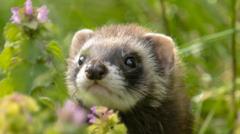
A year-long research project in Guernsey aims to provide more insight into the island's wild ferret population, according to project leaders. La Société Guernesiaise, the conservation charity responsible for the study, used government funding to track the animals via specialized camera equipment. The charity had known about the presence of ferrets on the island but lacked detailed information about them.
Using motion-activated camera traps, the team captured thousands of photos and videos, focusing on areas where ferrets had been known to attack wildlife, such as La Claire Mare Nature Reserve in St Peters. Project leader Leah Cottell expressed that the process was time-consuming but revealed valuable insights. Ferrets appear to inhabit areas with water sources, as they prey on the nests of ground-nesting birds, particularly eggs.
Despite their numbers, ferrets are not native to Guernsey and are considered an invasive species, likely due to releases from domestic ferrets. The charity plans to compile a comprehensive report of its findings, with the next round of Strategy for Nature funding applications opening on October 25.
Written by urgent.news from BBC Science's reporting — not their text. Machine-written — may contain errors; check the original before relying on it.