Reef fish survival threatened by motorboat noise
Reef fish exposed to motorboat noise can end up smaller and struggle to escape predators, says new research into dangerous underwater noise. The post Reef fish survival threatened by motorboat noise first appeared on EarthSky .
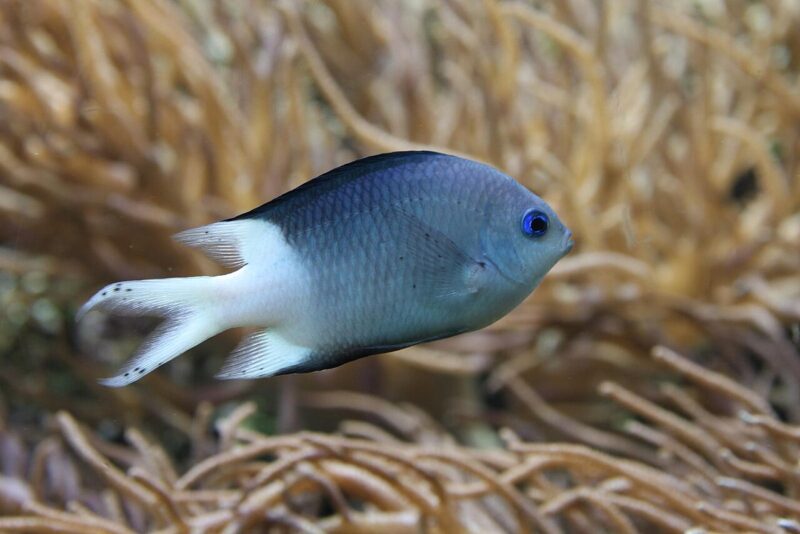
Motorboat noise poses a threat to the survival of reef fish during their early development, according to a new study from the University of Exeter, the University of Bristol, and James Cook University. Published in Environmental Pollution, the research reveals that repeated exposure to motorboat noise during crucial stages of fish growth can lead to lasting consequences on both their growth and ability to respond to danger.
Reef fish, which inhabit and rely on coral reefs, face numerous human-induced threats, with underwater noise pollution being one of the more subtle disturbances. Motorboats generate persistent sounds that can alter the conditions in which young fish develop, potentially impacting their growth and predator avoidance skills.
To examine the long-term effects of motorboat noise, researchers studied the spiny chromis, a common reef fish found on Australia's Great Barrier Reef. They divided the fish into four groups and exposed them to either motorboat noise or natural reef sounds during specific development stages. The fish were exposed to sounds for up to 78 days, with the noise switched after hatching in some groups.
After stopping the noise exposure 24 hours before testing, the researchers observed the fish's responses to simulated predator attacks. Among fish that experienced natural reef sounds during at least one development stage, 80% responded to the predator threat by bending their bodies into a "C" shape and swimming away. However, 20% of these fish made a fatal error by swimming towards the predator.
The effects were more severe among fish exposed to motorboat noise throughout their early development. Only 68% of these fish responded correctly to the predator threat, and 40% of the responders swam towards the danger. The researchers concluded that the effects were not merely a result of the immediate noise reaction, but rather a change in how the fish assessed risk and made decisions later on.
In addition to affecting predator avoidance, the study also found that fish exposed to motorboat noise after hatching were, on average, 7% shorter than those exposed to natural reef sounds. This reduction in body size may be due to several factors, including stress caused by the noise, alterations in parental care behavior, and impaired feeding.
The findings suggest that motorboat noise pollution can have lasting impacts on young reef fish, even when the noise source is no longer present. Lead researcher Sophie Nedelec emphasized that these effects could be particularly concerning in the wild, where young fish already face intense predator pressure and must make rapid decisions to survive.
To mitigate the impact of motorboat noise on reef fish, the researchers recommend limiting boat traffic close to reefs during the breeding season. Such measures may help protect these valuable ecosystems and ensure the continued survival of coral reef fish, which play a vital role in maintaining the health and balance of marine environments worldwide.
Written by urgent.news from EarthSky's reporting — not their text. Machine-written — may contain errors; check the original before relying on it.