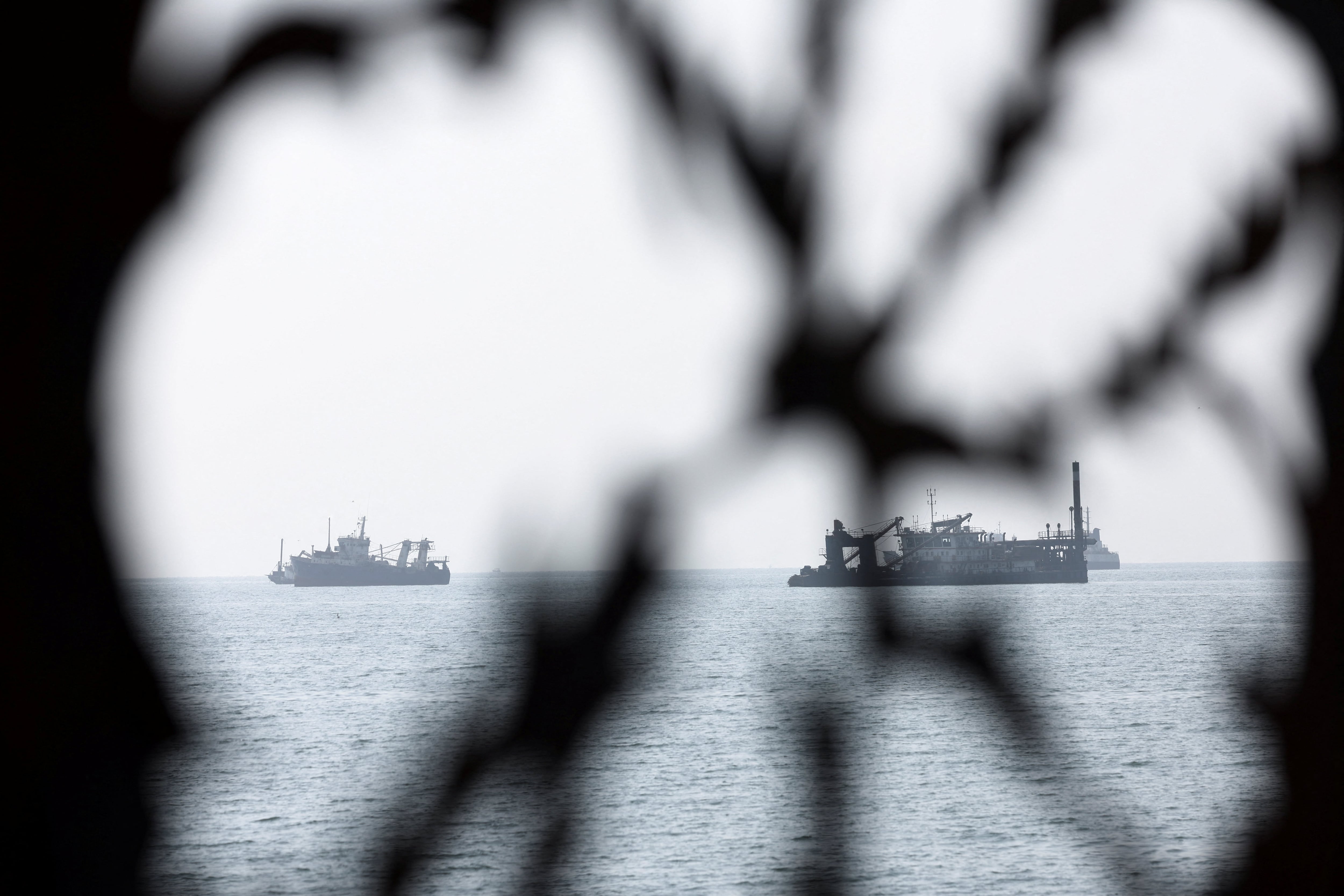
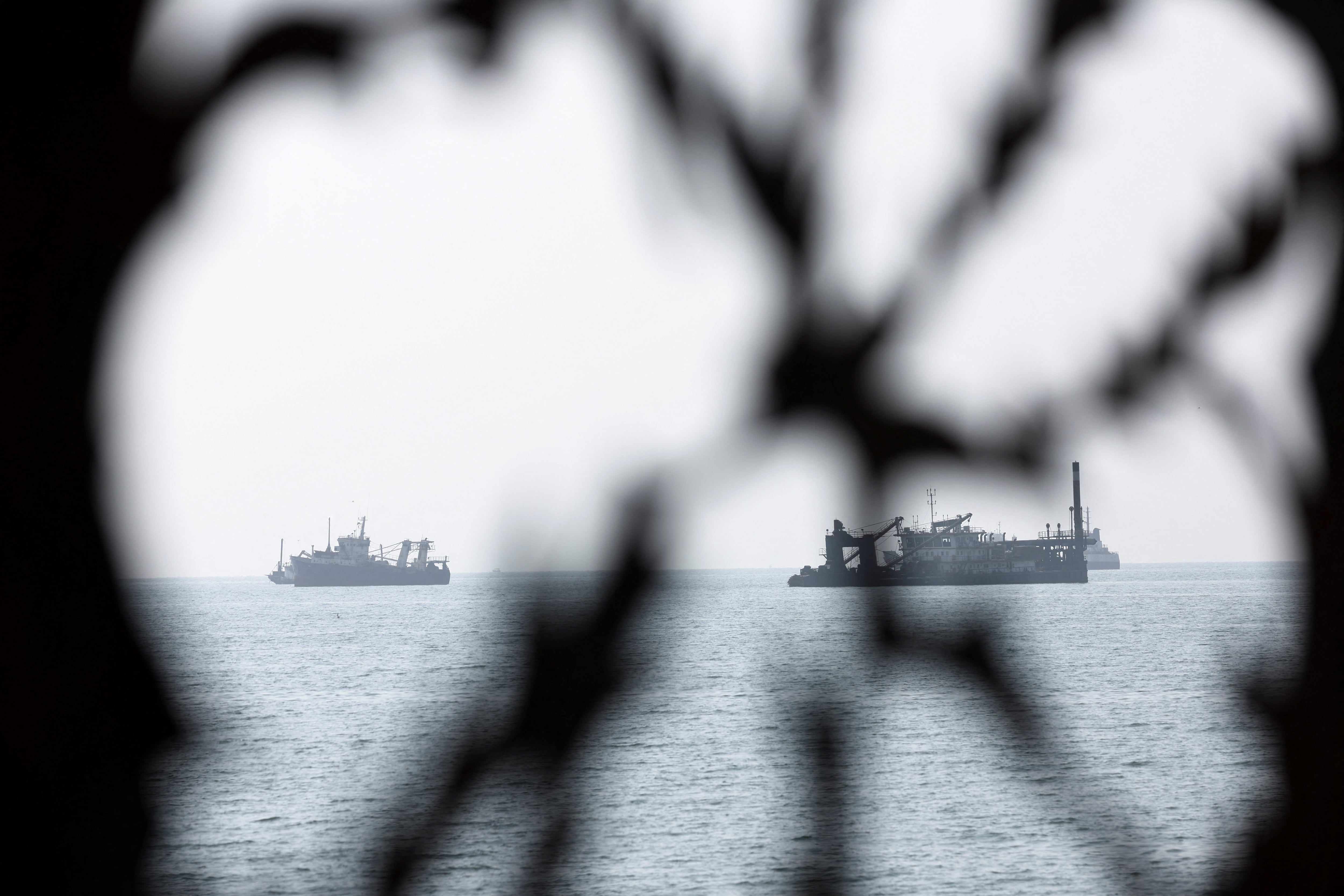
Philippines warns China may reassert itself amid US-South Korea drill cuts
Manila defence chief says Washington gave 'definite assurances' that its commitments to the Philippines remain.
China's green technology advancements are challenging the United States' "drill, baby, drill" oil strategy in Africa, according to recent developments. While US President Donald Trump advocates for increased oil drilling, China is rapidly expanding its renewable energy investments across the continent. Sonia Dunlop, CEO of the Global Solar Council (GSC), highlights the rapid growth of Africa's solar revolution, with rooftop and distributed systems providing power directly to households and businesses.
The surge in solar energy adoption across Africa is driven by the cost advantage of solar power and improved battery storage technologies, as noted by Dunlop. In 2025, Africa's solar capacity additions surged by a record 54%, reaching up to 4.5 gigawatts in new photovoltaic power. This growth is further fueled by the geopolitical tensions, such as the US-Israel war on Iran, which have led to significant disruptions in oil and gas supply.
China has been actively involved in developing renewable energy projects across Africa, including hydroelectric, wind, and solar power installations. Notable projects include China's 1.8GW Benban Solar Park in Egypt, Ethiopia's 204-megawatt wind farms, and South Africa's 244-megawatt De Aar wind power project. These projects have contributed to Africa's transition towards cleaner energy sources, with South Africa being the continent's largest importer of solar-related power products.
Moreover, China's support for renewable energy extends beyond individual projects, as seen in Kenya's solar plant for rural communities and Zambia and Ivory Coast's hydroelectric projects. In Nigeria, the surge in solar installations due to the Ukraine war is curbing reliance on fossil fuels, with the government adopting a decentralised grid system to tap into excess solar power generated by households.
This shift in energy consumption patterns is driven by high fuel costs, estimated to be US$12 billion annually in Nigeria, and the associated environmental and health costs.
While Africa's oil demand is projected to double to 9.2 million barrels a day by 2050, the International Energy Agency (IEA) warns that rising oil and gas prices combined with increased adoption of renewable alternatives could lead to an oversupply trap. The IEA estimates that Africa will need US$190 billion in annual investments between 2026 and 2030 to achieve a transition to clean energy.
As the world moves away from crude oil, global oil producers, including the US, face the risk of price wars and losing customers to renewable energy sources.
Written by urgent.news from Reuters Business via SCMP's reporting — not their text. Machine-written — may contain errors; check the original before relying on it.
This story
This is one outlet's version. Read the fullest account.