Pakistan policy must rest on positioning, not isolation
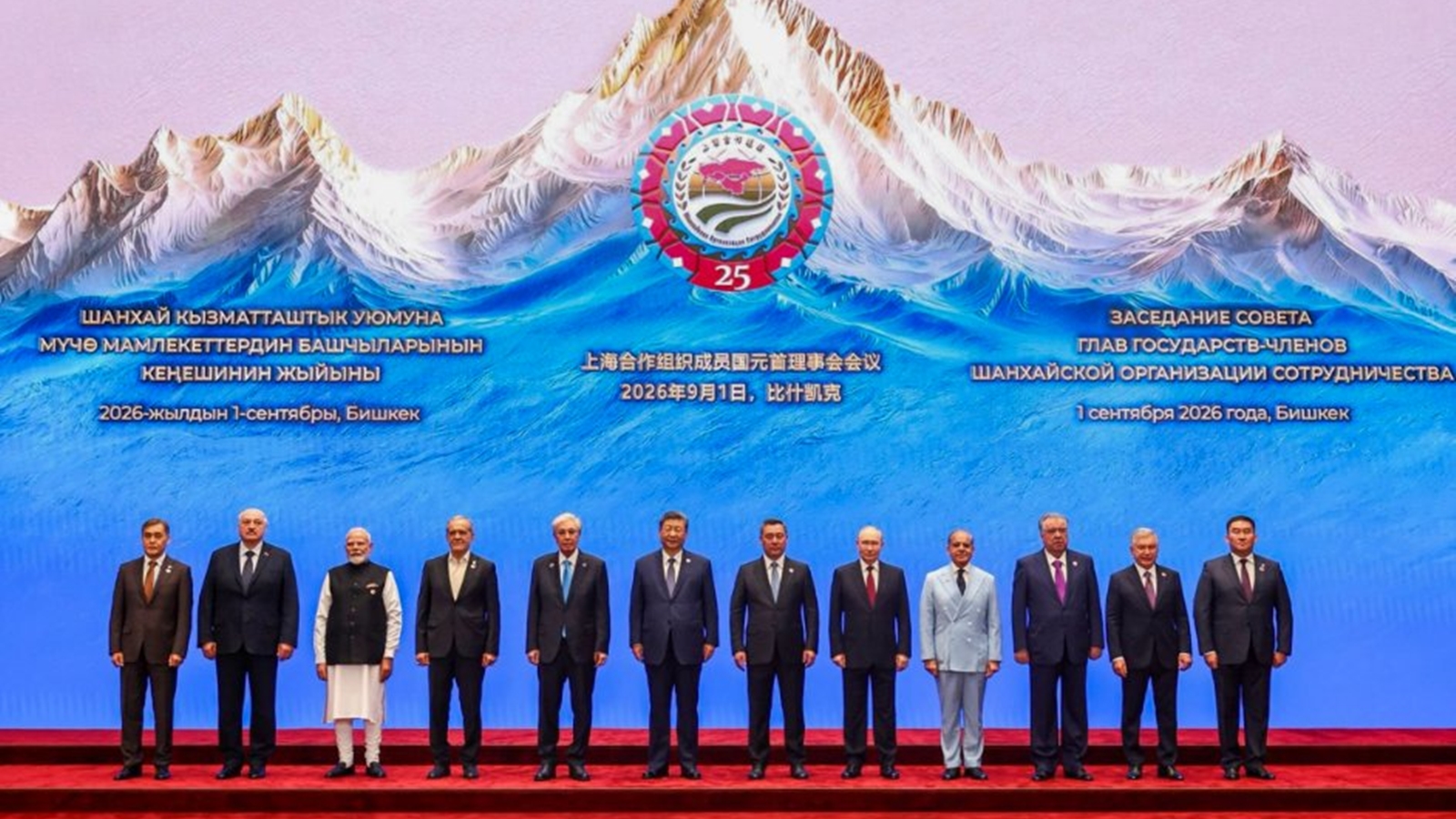
The recent SCO summit highlights the limitations of India's attempts to isolate Pakistan on the global stage. Despite India's efforts to weaken Islamabad, Pakistan continues to maintain bilateral relationships with various nations. The approach of isolating a state often overlooks the fact that interests drive state policy more than morality. States are more likely to react to issues that directly affect their interests.
India's strategy of aligning with Pakistan has proven effective in certain instances. For example, during the post-Cold War era, the US maintained engagement with Pakistan despite harsh criticism, largely due to shared interests in Afghanistan. Similarly, Pakistan played a crucial role in realigning the US and China during the Cold War.
For India, the most effective strategy would be to strengthen its own security and defense relations, thereby reducing Pakistan's ability to limit India's options. This can be seen in the India-US relationship, where despite the US not abandoning its engagement with Pakistan, its relations with India have grown across various issues. This includes economic, security, and political convergences such as the 2+2 and the Quad dialogues.
Even Saudi Arabia, which has a long-standing relationship with Pakistan, has been able to develop consistent relations with India due to economic and strategic convergences. This demonstrates that isolation is not always a straightforward process and requires relative positioning. When other states choose to engage with a rival more and find greater interest in siding with them in a crisis, the rival's influence is effectively isolated.
This strategy should be applied in multilateral forums like SCO and BRICS, where India's relations with other states need to be aligned.
Written by urgent.news from The Indian Express's reporting — not their text. Machine-written — may contain errors; check the original before relying on it.