Occupation authorities in Luhansk move to adapt historic buildings for modern use, authorize seizure of “ownerless” real estate
The Ministry of Culture in the so-called “Luhansk People’s Republic” has approved Russian procedures for carrying out work on cultural heritage sites in the annexed territory, The Insider has found. The rules cover the repair and restoration of monuments, as well as their “adaptation for modern use.” At the same time, the “People’s Republic” has a separate mechanism that allows real estate to be…
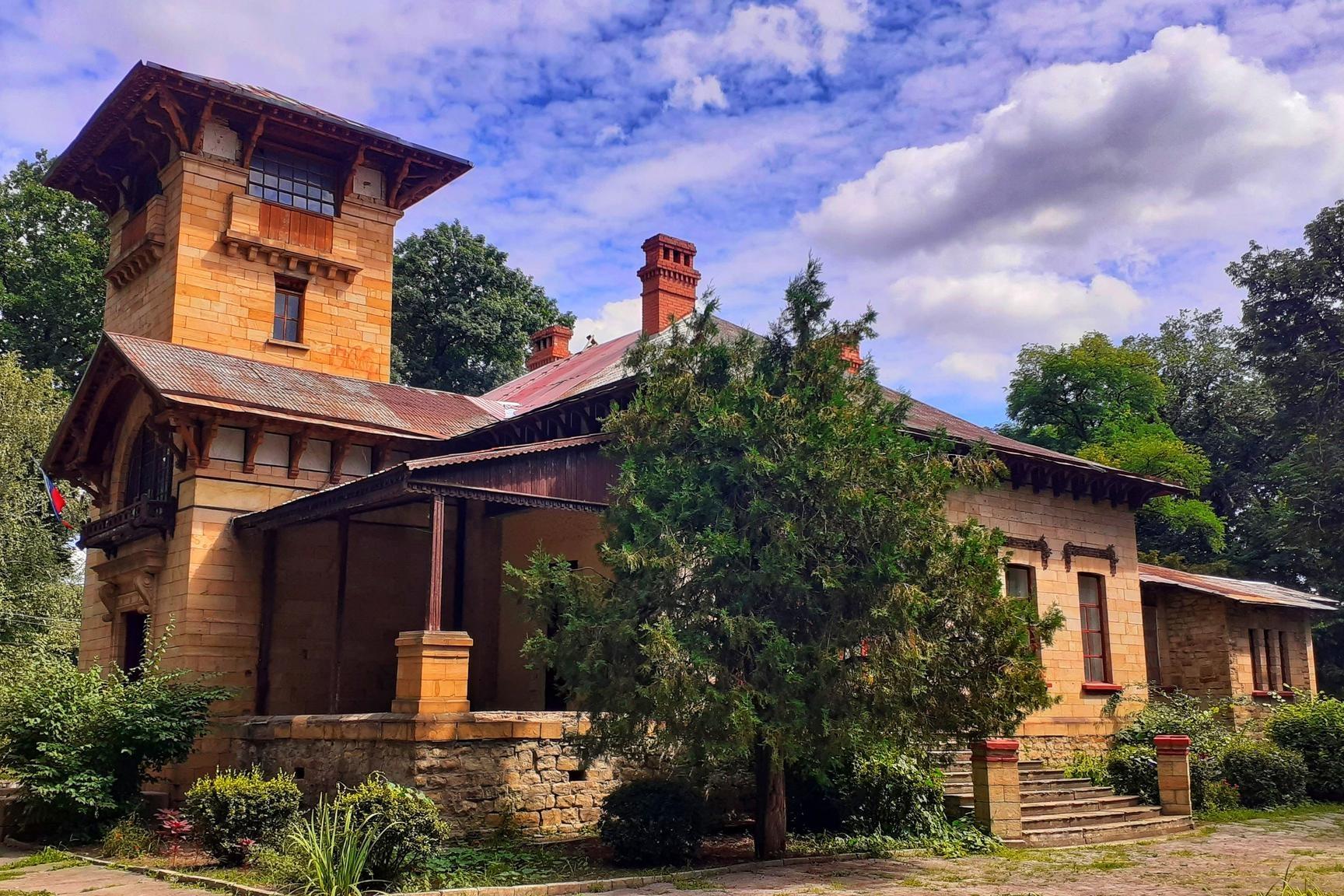
Occupation forces in Luhansk are working to repurpose historic buildings for modern use while seizing "ownerless" real estate, according to a new order issued by the region's Ministry of Culture. The order, published on September 7 (dated Aug. 25), covers the repair, restoration, conservation, and emergency stabilization of monuments, as well as their adaptation for contemporary purposes.
This includes the possibility of converting a historic structure into a restaurant, hotel, or office while preserving its protected elements. To obtain a permit for such changes, applicants must demonstrate their rights to the property. If these rights are registered in Russia's Unified State Register of Real Estate, the Luhansk authorities can request the information directly from the Rosreestr registry.
In order to deem a property "ownerless," officials search for buildings without ownership records in the Russian EGRN. If no owner is found after checking Russian registries, the property is registered as such. Historic buildings and other cultural heritage sites are exempt from this classification. The process has resulted in a significant number of apartments being identified as potentially "ownerless," with Luhansk's city head acknowledging 7,900 such units as of April 2026.
However, some apartments have been mistakenly listed and later had their status reversed after inspections. Similar practices were observed in Crimea after its annexation, where Russian authorities utilized courts to overturn decisions made by Ukrainian authorities regarding land transfers and ownership rights. As a result, Russian occupation forces have nationalized numerous properties, with the European Court of Human Rights citing 4,618 state and private real estate assets seized in Sevastopol between 2014 and 2017.
Written by urgent.news from The Insider's reporting — not their text. Machine-written — may contain errors; check the original before relying on it.