Latih pasukan kesihatan sekolah kesan penderaan, gesa pakar
Lawatan berkala doktor atau jururawat terlatih mampu bina rasa percaya, manakala perkhidmatan sokongan lebih baik perlu untuk tangani sebarang pendedahan.
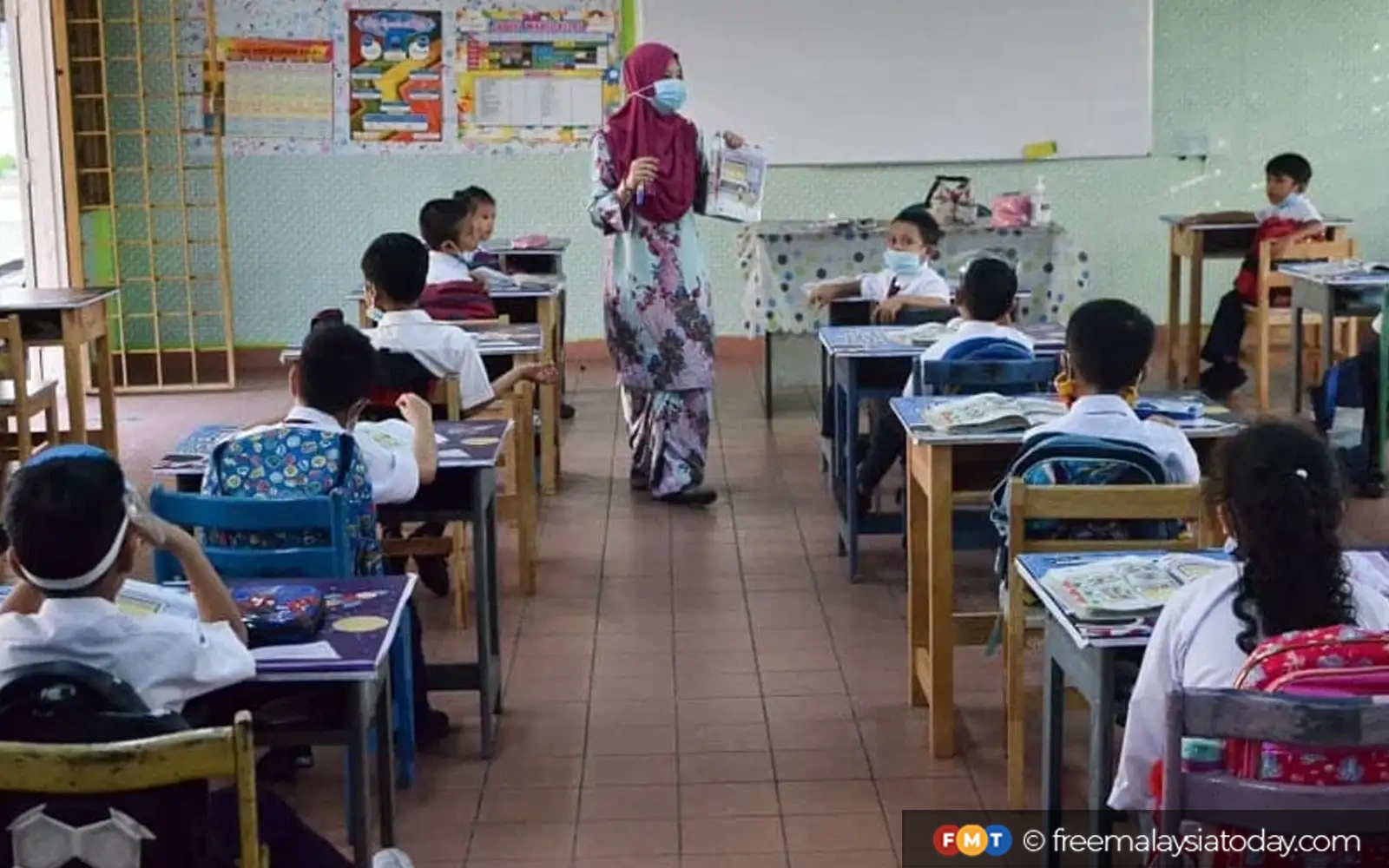
Two cases of sexual abuse were uncovered during routine health visits by a school health team in Johor, highlighting the importance of better training for the team. PETALING JAYA: Any action to introduce health checks in schools by a health team to monitor child abuse requires better training to handle any disclosures, according to children's rights advocate.
Dr Amir-Singh HSS, a child rights activist and pediatrician, stated that school health teams can play a larger role in identifying abuse, but cautioned that the existing system is designed for monitoring health, not formal screening. He said that for now, routine school health visits focus on physical assessment, immunization, and general well-being, with follow-up actions only taken if team members notice behavioral changes indicating possible abuse.
"If we are serious about identifying children who have been sexually abused using a school health team from the Ministry of Health, we need to use routine screening tools or self-reporting of student reports," he told FMT. Dr Amir also said that school health teams must be trained appropriately to respond professionally and sensitively to any disclosures of abuse.
According to him, they need to be informed about trauma, ensure confidentiality, listen to children's cries, and avoid judging or being influenced by cultural and religious biases. "Most importantly, adults must believe children when they disclose sexual abuse and not ignore it," he said. The concern stems from routine school health visits uncovering two long-standing cases of sexual abuse in Johor.
On August 27, a farm worker in Muar was charged with molesting his daughter since two years ago after the victim disclosed the act during a health check at school. The same case emerged on May 6 in Batu Pahat involving 12-year-old Hartini Zainudin. Hartini Zainudin, founder of the Chow Kit Foundation and children's rights activist, agreed that health checks at school can provide an opportunity for children to talk privately with a neutral professional.
"A child is alone with an adult who has reasonable grounds to ask about their body, so the question does not feel like an accusation or trap," she said. Hartini said that similar opportunities for private disclosure could be created outside of school through community health centers or mobile units, especially in rural and farming areas.
She said that regular visits by known healthcare workers can build trust as disclosures are rare at the first meeting. She also mentioned additional support lines and safe spaces run by NGOs, as well as trained volunteers familiar with the rural and community environment in which children are embedded, as other options. "The main thing is not 'medicine', but confidentiality and routine as a non-involved adult in the dynamic environment of the children's community," she said.
Written by urgent.news from Free Malaysia Today's reporting — not their text. Machine-written — may contain errors; check the original before relying on it.
This story
This is one outlet's version. Read the fullest account.
- Latih pasukan kesihatan sekolah kesan penderaan, gesa pakar freemalaysiatoday.com