La marea ultraderechista en Alemania: otro ladrillo en el muro
La arrolladora victoria del neofascismo en Sajonia-Anhalt reabre una cicatriz en Alemania y en la UE: ¿es útil mantener el cordón sanitario a partidos que superan el 40% del voto?
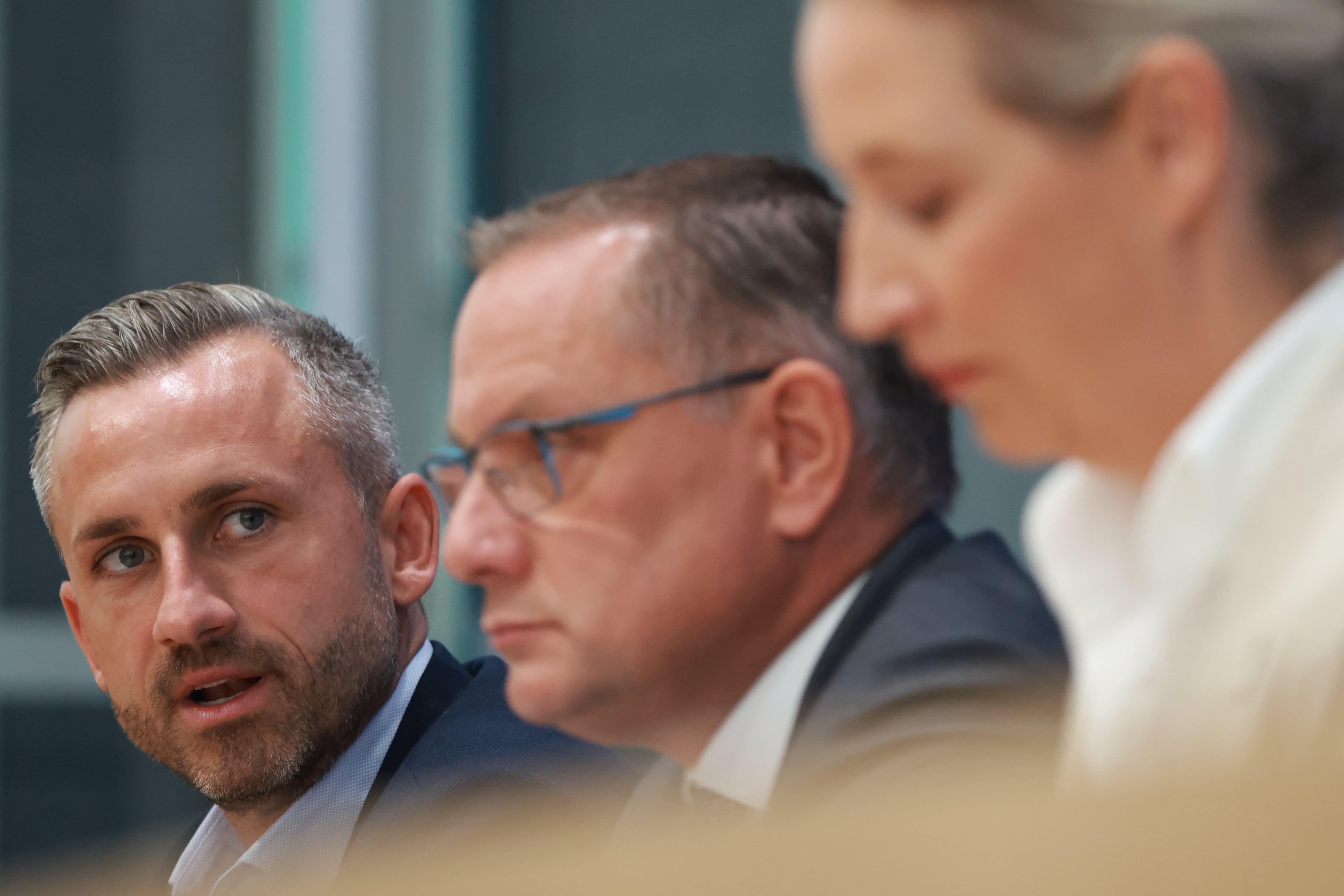
Germany's far-right tide continues to rise, adding another brick to the wall of extremism. The "never again" Germany of the past eight decades has morphed into a "maybe it's enough" mentality overnight. The ultra-right, ethnonationalist, and neofascist surge surged past the 40% mark in the Saxon-Anhalt region, fueled by a combination of factors.
First, the existential German crisis, which fell dormant under Merkel and her successors. Second, the romantic nostalgia for the GDR, with the West always looking over the shoulder at the Eastern regions. Lastly, the migration debate, crucial for a country like Germany whose demographic trends are clearly declining, but turned toxic from Ceuta to Copenhagen, from Hungary to the crematoriums of Auschwitz, Buchenwald, and Dachau.
Ulrich Siegmund, the AfD candidate for premier in this small region of two million inhabitants, proclaimed, "We have made history" yesterday. Fascism, fundamentally, is about bending the rules of political engagement and seeking to make history every step of the way. Keep reading.
Written by urgent.news from El Pais's reporting — not their text. Machine-written — may contain errors; check the original before relying on it.