Japan's August foreign reserves post largest-ever drop after record intervention
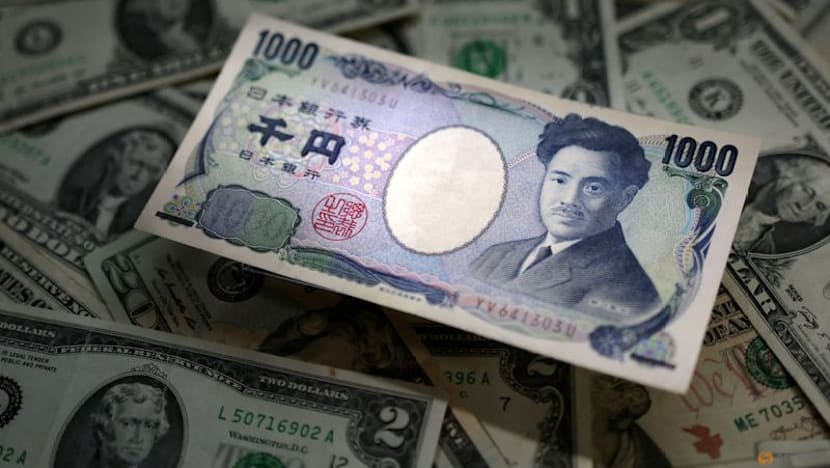
Japan's foreign reserves declined to a record low of US$1.208 trillion (S$1.53 trillion) at the end of August, according to government data released on September 7. This represents a substantial reduction of US$79.6 billion, or 6.18%, from the previous month's US$1.287 trillion. The major contributing factor to the drop was the decrease in foreign securities, primarily US Treasuries, which constitute about 70% of Japan's reserves.
Japan's intervention program, which aimed to stabilize the yen, saw a record US$15.4 billion spent between July 30 and August 26, marking the largest single-month intervention on record. This intervention effectively lifted the yen from 40-year lows near 164 per dollar to a peak of 155.20 per dollar by August 3. However, the yen subsequently weakened towards 160 before recovering to roughly 155 to 156 in early September.
The intervention was partly coordinated with the United States, the first joint effort by the two countries since 2011. This move surprised markets that had seen limited expectations of such coordinated action. To alleviate concerns about Japan's capacity for large-scale intervention, Tokyo and Washington have indicated that Japan could utilize a Covid-19 era Federal Reserve backstop for central banks.
This facility, established in 2020 during the pandemic, allows Japan to secure dollar liquidity without the need for direct sales of US Treasuries. This could potentially ease pressure on Japan for future intervention efforts.
Written by urgent.news from Straits Times Business's reporting — not their text. Machine-written — may contain errors; check the original before relying on it.
This story
This is one outlet's version. Read the fullest account.